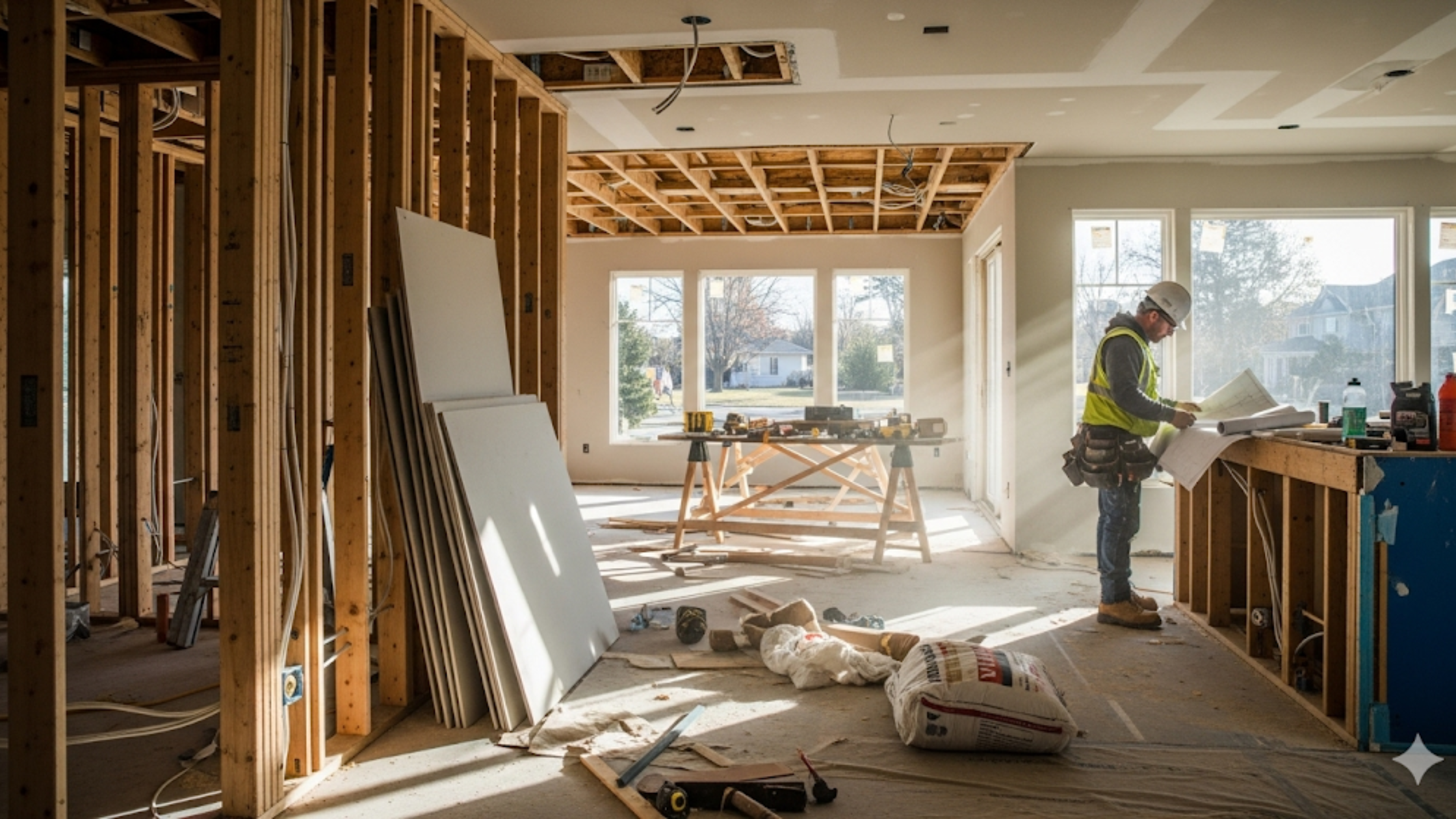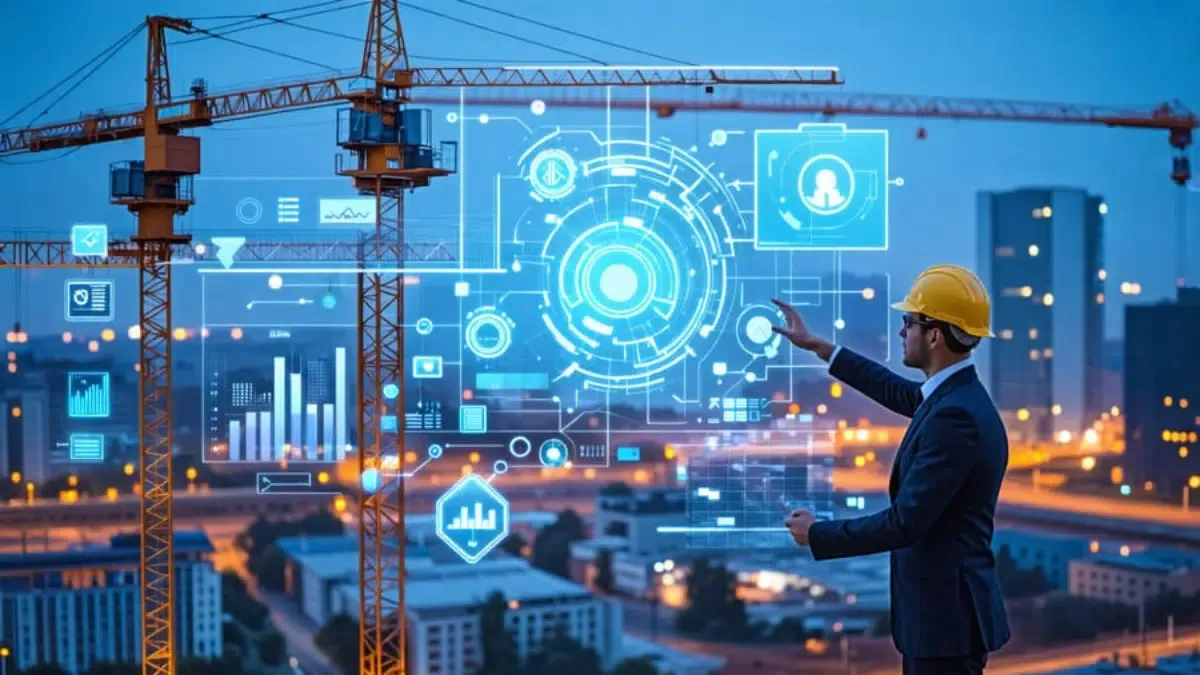
The construction and architecture industries are no strangers to complexity. From coordinating dozens of subcontractors to managing materials, timelines, and budgets, project planning has always demanded precision. But artificial intelligence is fundamentally changing how professionals approach every phase of a project — and the results are nothing short of transformative.

The Old Way vs. The AI-Powered Way
Traditional project planning relied heavily on manual calculations, spreadsheets, and the hard-won intuition of experienced estimators. While human expertise remains irreplaceable, AI now acts as a powerful co-pilot — catching errors, processing vast datasets in seconds, and generating forecasts that would take human teams days to produce.
AI and Concrete Estimating | Faster, Smarter, More Accurate
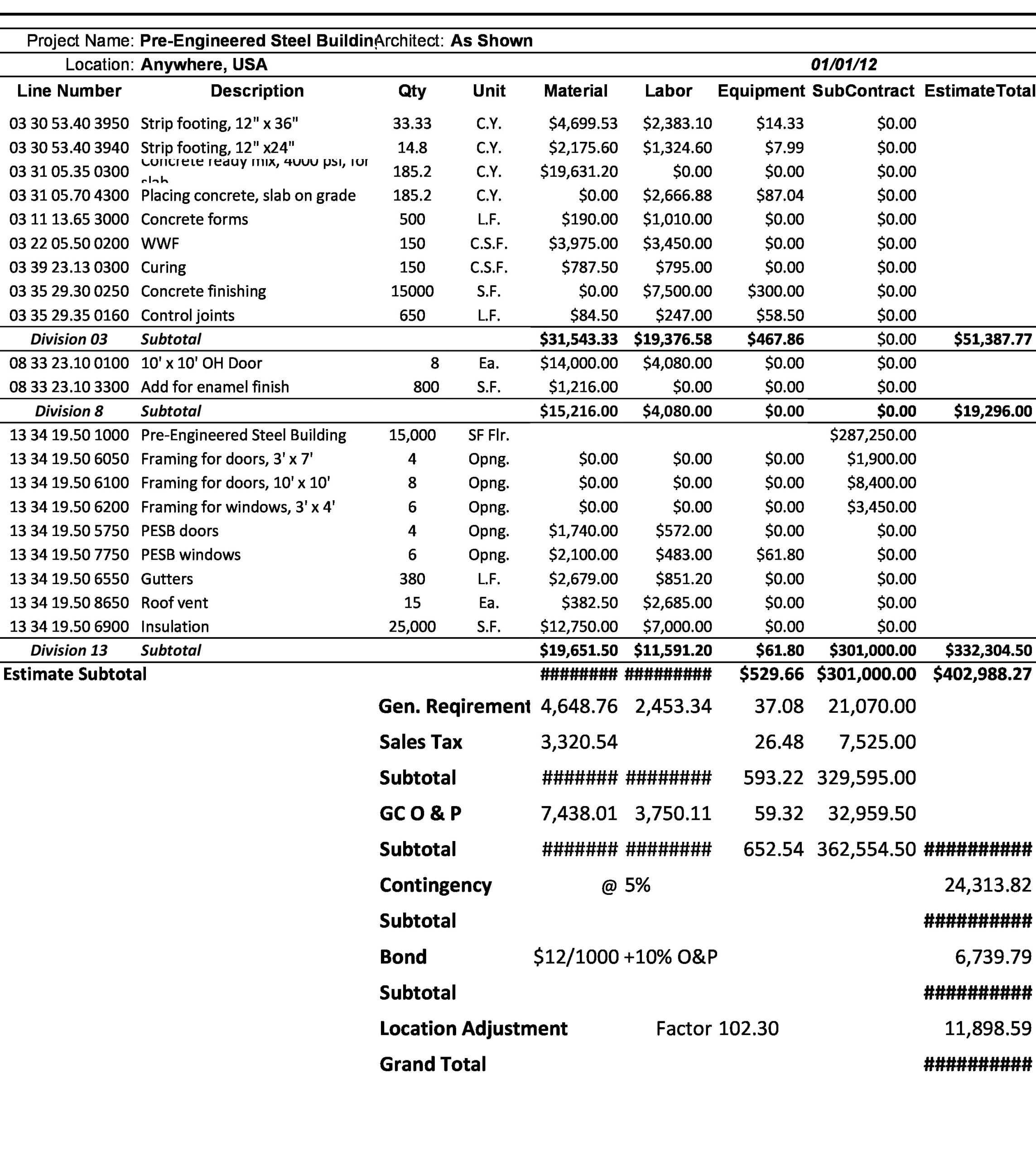
One of the most labor-intensive areas of construction planning has always been concrete-estimating-services. Calculating volumes, material costs, pour schedules, and curing time windows requires meticulous attention to detail. A single miscalculation can cascade into costly overruns.
AI-powered platforms are now automating these workflows. Machine learning models trained on thousands of historical projects can instantly generate quantity takeoffs Manhattan, flag pricing anomalies, and even predict weather-related risks that might affect concrete pours. What once took a senior estimator a full day can now be completed in under an hour — with fewer errors and greater confidence.

Masonry Estimating Gets a Digital Overhaul
Similarly, masonry estimating services have been transformed by AI-driven tools. Brick, block, and stone work involves intricate calculations around unit quantities, mortar ratios, labor productivity rates, and waste factors. These variables multiply quickly on large-scale projects.
Modern AI estimating software can analyze drawings, recognize masonry assemblies automatically, and apply regional labor rates in real time. The technology doesn’t just speed up the process — it learns from each project, continuously improving its accuracy the more data it ingests. For contractors who specialize in masonry, this means more competitive bids and fewer surprises on the job site.
Smarter Openings Estimation
Doors, windows, curtain walls, skylights — openings estimating services sit at the intersection of architectural design and structural precision. Errors in this area can ripple through scheduling, framing, and even energy performance compliance.
AI tools now integrate directly with BIM (Building Information Modeling) platforms to extract opening schedules automatically. They cross-reference product databases, flag substitution opportunities when specified materials are backordered, and alert planners to code compliance issues before they become field problems. The result is a tighter, more reliable estimate that holds up through the life of the project.
Blueprint Estimating | Reading Plans at Machine Speed
Perhaps the most impressive leap forward has been in blueprint estimating services. Reading and interpreting architectural and engineering drawings has historically required years of training. AI-powered optical recognition and natural language processing tools can now “read” blueprints — identifying dimensions, materials, and quantities — with remarkable accuracy.
These systems don’t replace the estimator’s judgment, but they dramatically accelerate the takeoff process. Estimators can focus their expertise on high-value decisions — value engineering opportunities, subcontractor negotiations, risk assessment — while the AI handles the repetitive extraction of raw data from the plans. The outcome is faster bid cycles and more competitive pricing.
Preliminary Estimating | Setting the Stage for Success
Perhaps the area where AI’s impact is felt earliest — and most strategically — is in preliminary estimating services. These early-stage estimates, produced during schematic design or even concept phase, set budget expectations and guide critical design decisions.
Historically, preliminary estimates were rough order-of-magnitude figures with wide margins of error. AI changes this fundamentally. By analyzing comparable projects, local market conditions, material cost trends, and inflation forecasts, AI tools can generate early-stage estimates that are far more reliable. Owners and developers can make better-informed decisions earlier — choosing between design alternatives based on real cost data rather than guesswork.
This capability has a downstream effect on the entire project: when preliminary budgets are accurate, fewer projects experience the painful cycle of design, estimate, over-budget discovery, and redesign.

Beyond Estimating – AI Across the Project Lifecycle
The revolution doesn’t stop at cost estimation. AI is reshaping project planning across every dimension:
- Scheduling optimization — AI algorithms identify the most efficient sequencing of trades, reducing idle time and compressing timelines.
- Risk prediction — Predictive models analyze project characteristics and flag high-risk elements before they materialize into problems.
- Supply chain intelligence — AI monitors material markets in real time, alerting procurement teams to price spikes or availability constraints.
- Document management — Natural language processing tools can review contracts, RFIs, and submittals at scale, surfacing critical clauses and deadlines.
The Human Element Remains Central
It’s worth noting what AI does not do: it does not replace the expertise, relationships, and professional judgment that experienced project managers and estimators bring to every project. What it does is free those professionals from time-consuming manual tasks, giving them more capacity for strategic thinking.
The contractors, estimators, and project managers who are embracing AI tools today are gaining a genuine competitive advantage — delivering better bids, more accurate budgets, and smoother project execution.
Final Thought
As AI models grow more sophisticated and datasets grow larger, the accuracy and capability of these tools will only improve. Integration between estimating platforms, project management software, accounting systems, and field reporting tools is accelerating, creating a connected project ecosystem where data flows freely and decisions are better informed at every level.