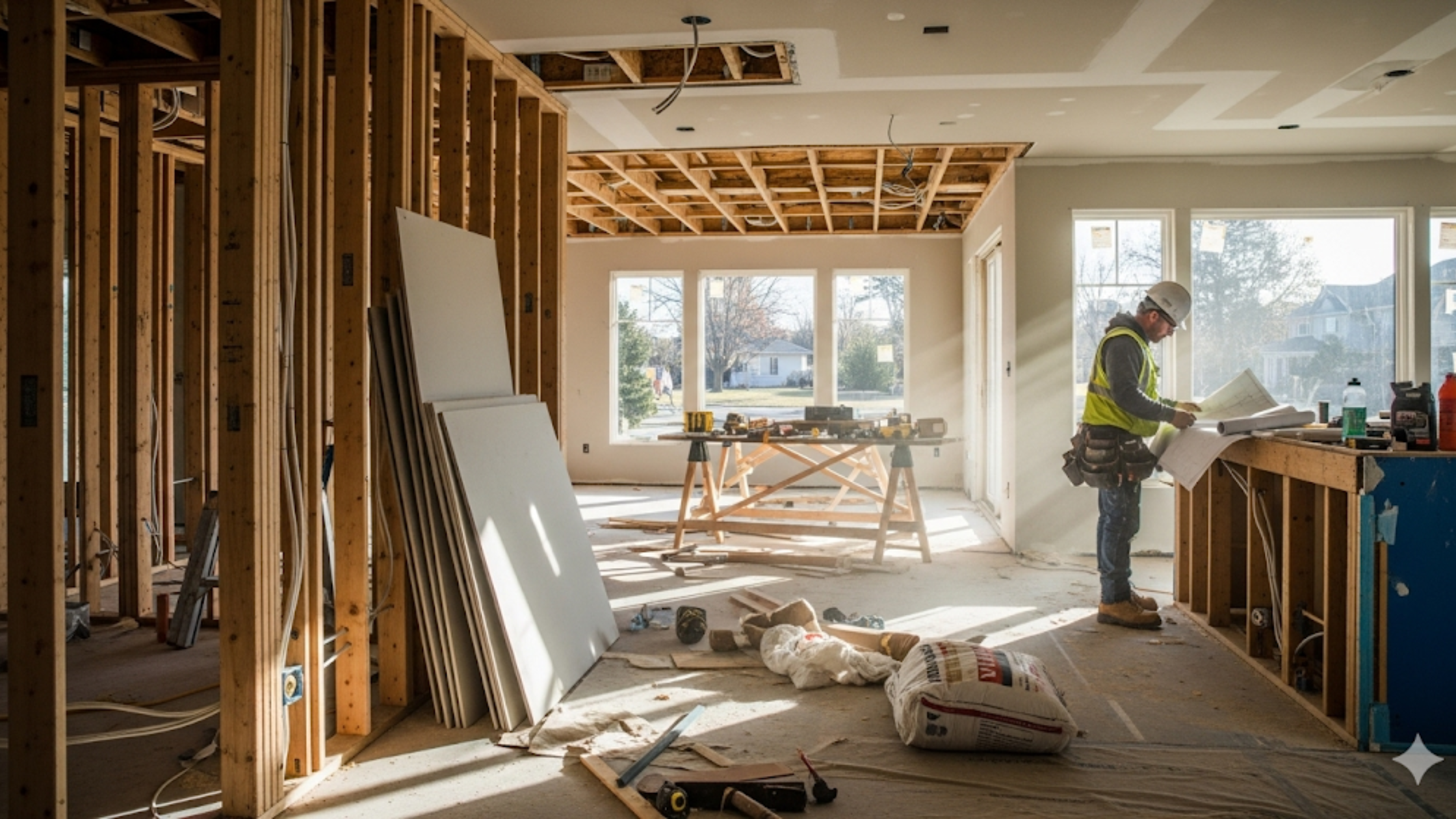
Planning a home renovation is exciting, but the biggest question for most homeowners is simple: how much will it cost? A new kitchen, updated bathroom, finished basement, fresh flooring, or complete home remodel can improve comfort, style, and property value. However, without a clear estimate, the budget can quickly become confusing.
The best way to estimate home renovation costs is to break the project down room by room. Each room has different materials, labor needs, plumbing, electrical work, permits, and finish levels. A bedroom update may only need paint, flooring, lighting, and trim, while a kitchen or bathroom can involve cabinets, countertops, plumbing, waterproofing, tile, appliances, and complex labor.
This guide explains how to estimate home renovation costs with a room-by-room breakdown, including common cost factors, state-by-state pricing differences, hidden expenses, and budgeting tips for homeowners.
Why Room-by-Room Estimating Is the Smartest Approach
Many homeowners make the mistake of asking, “How much does a home renovation cost?” without defining the exact scope of work. The answer depends on what you are renovating, how much work is required, where the home is located, and what quality level you choose.
A room-by-room estimate gives you a more realistic budget because it separates each area of the house into clear cost categories. For example, your kitchen may be the most expensive part of the renovation, while bedrooms may be more affordable. Bathrooms may cost more per square foot because of plumbing, waterproofing, tile, and fixtures. Basements and garages may require moisture protection, insulation, framing, and code upgrades.
By estimating one room at a time, you can:
Understand where most of the money will go
Compare material and labor costs more clearly
Prioritize urgent rooms first
Avoid underestimating plumbing and electrical work
Plan a realistic contingency budget
Reduce the risk of budget surprises during construction
This method is especially useful if you are renovating in stages instead of remodeling the entire home at once.
Main Factors That Affect Home Renovation Costs
Before looking at each room, it is important to understand the major cost drivers behind every renovation project.
1. Size of the Room
The larger the room, the more materials and labor you will need. Flooring, drywall, paint, trim, lighting, insulation, and ceiling work are often priced by square foot. A 100-square-foot bedroom will usually cost less than a 300-square-foot living room because the surface area is smaller.
2. Scope of Work
A cosmetic update is very different from a full remodel. Painting walls and replacing light fixtures may be affordable, while moving walls, replacing plumbing, changing electrical wiring, or installing new cabinets will increase the budget.
Renovation scope usually falls into three levels:
Basic update: Paint, minor repairs, simple fixture replacement, basic flooring
Mid-range remodel: New flooring, lighting, cabinets, countertops, fixtures, and layout improvements
Major renovation: Structural changes, plumbing relocation, electrical upgrades, custom finishes, and high-end materials
3. Labor Costs
Labor is one of the biggest parts of a renovation budget. Skilled trades such as electricians, plumbers, tile installers, carpenters, HVAC technicians, and general contractors may charge different rates depending on your state and city.
Labor costs are usually higher in states and cities with high living costs, strong construction demand, strict building codes, and limited contractor availability.
4. Material Quality
Material selection can change the total cost dramatically. For example, laminate countertops cost less than quartz or marble. Vinyl flooring is usually cheaper than hardwood. Stock cabinets cost less than custom cabinets. Basic tiles are more affordable than designer tiles.
The same room can have a low, medium, or high budget depending on finish level.
5. Home Age and Condition
Older homes often cost more to renovate because they may need hidden repairs. Common issues include outdated wiring, old plumbing, damaged framing, uneven floors, water damage, asbestos, lead paint, poor insulation, and code violations.
A simple remodel can become more expensive if the contractor opens walls and finds problems that must be fixed before the new work can continue.
6. Permits and Local Codes
Some renovations require permits, especially when work includes electrical, plumbing, HVAC, structural changes, additions, or major layout changes. Permit costs vary by city, county, and state.
States with stricter building codes, coastal requirements, seismic regulations, or hurricane-resistant construction standards may have higher renovation costs.
7. Design and Contractor Fees
If you hire an architect, interior designer, kitchen designer, structural engineer, or construction estimator, their fees should be included in the budget. For larger projects, professional planning can actually save money by reducing errors, delays, and change orders.
Average Home Renovation Cost by Project Type
Home renovation costs can vary widely, but homeowners can think in general budget levels:
Small renovation: Minor updates such as paint, flooring, lighting, and simple repairs
Medium renovation: One or two major rooms, such as a kitchen and bathroom remodel
Large renovation: Multiple rooms, layout changes, new systems, and higher-end finishes
Whole-house renovation: Major upgrades across the entire home, often including kitchens, bathrooms, flooring, walls, exterior work, and mechanical systems
A useful rule is to start with the square footage, define the scope, then add room-specific costs. Kitchens and bathrooms usually need the highest budget because they involve plumbing, electrical work, cabinets, counters, fixtures, tile, and skilled labor.
Kitchen Renovation Cost
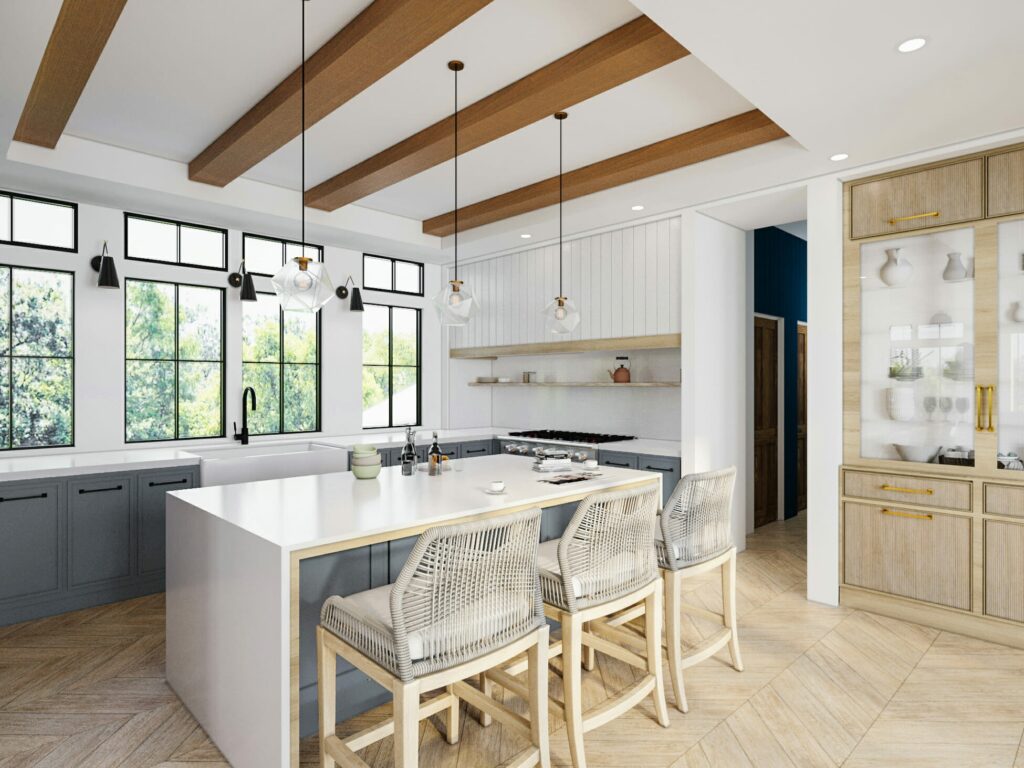
The kitchen is usually one of the most expensive rooms to renovate. It has many cost categories, including cabinets, countertops, appliances, plumbing, electrical work, lighting, backsplash, flooring, painting, and labor.
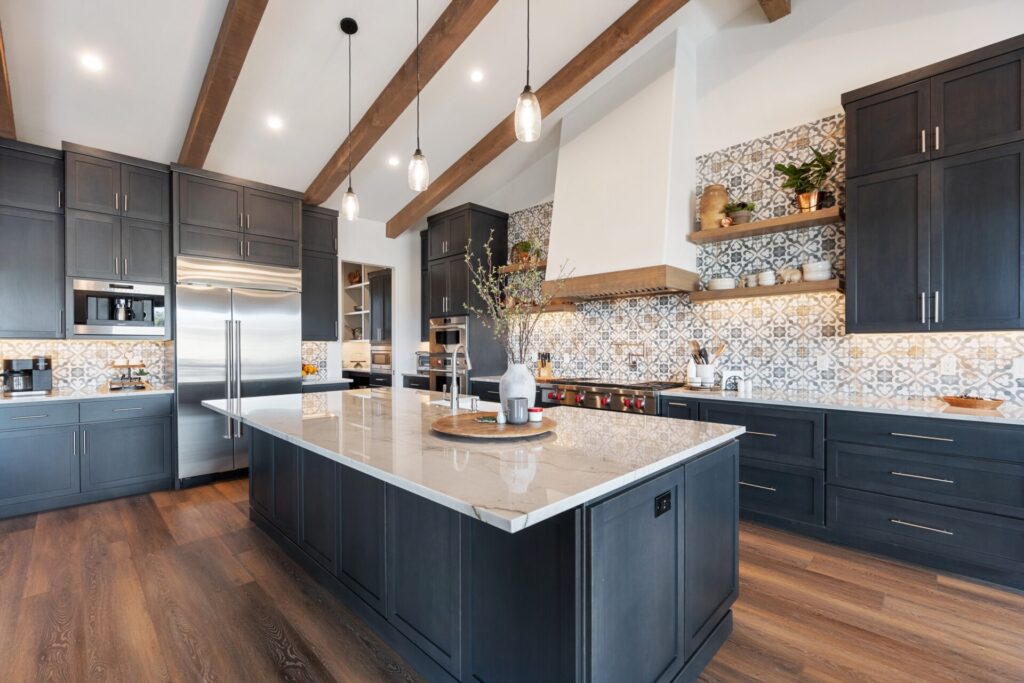
A basic kitchen update may include painting cabinets, changing hardware, replacing countertops, installing new lighting, and upgrading appliances. A mid-range kitchen remodel may include new cabinets, quartz countertops, tile backsplash, modern flooring, upgraded fixtures, and better lighting. A major kitchen renovation may include changing the layout, moving plumbing, adding an island, installing custom cabinets, and upgrading the electrical system.
Common Kitchen Cost Items
Cabinets
Countertops
Sink and faucet
Appliances
Backsplash
Flooring
Lighting
Electrical upgrades
Plumbing work
Painting and drywall
Labor and installation
How to Estimate Kitchen Renovation Costs
Start by measuring the kitchen size. Then list every item that will be replaced or repaired. Cabinets are often one of the biggest costs, followed by countertops, appliances, and labor. If the kitchen layout stays the same, the cost is usually lower. If you move the sink, stove, refrigerator, or walls, the budget will increase.
For a budget-friendly kitchen renovation, keep the same layout, reface or repaint cabinets, choose stock cabinets, use durable mid-range countertops, and avoid unnecessary plumbing changes.
Bathroom Renovation Cost
Bathrooms are smaller than kitchens, but they can still be expensive per square foot. This is because bathrooms require plumbing, waterproofing, tile work, fixtures, ventilation, electrical work, and careful installation.
A small bathroom update may include a new vanity, toilet, mirror, paint, faucet, and lighting. A full bathroom remodel may include a new bathtub or shower, tile walls, tile flooring, waterproofing, plumbing updates, exhaust fan, and modern fixtures.
Common Bathroom Cost Items
Vanity
Toilet
Bathtub or shower
Tile flooring
Wall tile
Waterproofing
Plumbing fixtures
Mirror and lighting
Exhaust fan
Drywall and paint
Labor
How to Estimate Bathroom Renovation Costs
First, decide whether you are doing a cosmetic update or a full bathroom remodel. If you are keeping the same layout, the cost will usually be lower. Moving the toilet, shower, or sink requires more plumbing work and can increase the total budget.
Tile choice also affects cost. Large-format tile, custom shower niches, glass shower doors, heated floors, and luxury fixtures will raise the price. If you want to control costs, choose standard fixtures, keep the existing layout, and avoid moving plumbing lines.
Living Room Renovation Cost
Living rooms are usually less expensive than kitchens and bathrooms because they do not normally require plumbing. However, costs can rise if you add built-in shelves, fireplace upgrades, custom lighting, new windows, or structural changes.
A basic living room renovation may include paint, flooring, trim, lighting, and minor wall repairs. A more advanced remodel may include built-in entertainment units, recessed lighting, fireplace refacing, ceiling design, wall paneling, and new windows.
Common Living Room Cost Items
Flooring
Paint
Trim and molding
Lighting
Drywall repair
Fireplace update
Built-in shelves
Window replacement
Electrical outlets
Ceiling work
How to Estimate Living Room Renovation Costs
Measure the room size and calculate flooring, paint, and trim materials. If you are replacing carpet with hardwood or luxury vinyl plank, include both material and installation. If you are adding recessed lighting, include electrician labor. If the living room has a fireplace, estimate masonry, tile, stone, or mantel costs separately.
Living room costs are easier to control because you can often upgrade the space without changing the structure.
Bedroom Renovation Cost
Bedrooms are usually among the more affordable rooms to renovate. A basic bedroom update may include painting, new flooring, lighting, closet improvements, window treatments, and trim work.
Costs increase if you add custom closets, soundproofing, new windows, built-in furniture, electrical upgrades, or an attached bathroom.
Common Bedroom Cost Items
Paint
Flooring
Closet doors
Built-in storage
Lighting
Ceiling fan
Trim
Window replacement
Drywall repair
Electrical outlets
How to Estimate Bedroom Renovation Costs
Begin with the room size. Calculate flooring and paint based on square footage. Then add lighting, closet upgrades, trim, doors, and any electrical work. If the bedroom only needs cosmetic updates, the budget can stay manageable. If you are converting a bedroom into a master suite, the cost will be much higher.
Dining Room Renovation Cost
Dining rooms are often simple to renovate unless you are adding custom features. Most dining room projects include flooring, paint, lighting, wall trim, ceiling details, and sometimes built-in storage.
Common Dining Room Cost Items
Flooring
Paint
Chandelier or pendant lighting
Wall molding
Ceiling design
Built-in cabinets
Drywall repair
Trim and baseboards
How to Estimate Dining Room Renovation Costs
Focus on surface finishes first. Flooring, paint, and lighting usually make the biggest visual difference. If you add custom millwork, wainscoting, or built-in cabinets, include carpentry labor and finishing costs.
Basement Renovation Cost
Basement renovations can vary greatly depending on whether the basement is already finished, partially finished, or completely unfinished. A simple basement refresh may only need flooring, paint, ceiling repairs, and lighting. A full basement finishing project may require framing, insulation, drywall, electrical work, plumbing, flooring, moisture control, and HVAC updates.
Common Basement Cost Items
Framing
Insulation
Drywall
Flooring
Ceiling
Lighting
Electrical wiring
Plumbing
Bathroom addition
Waterproofing
HVAC
Egress windows
Permits
How to Estimate Basement Renovation Costs
Start by checking moisture and foundation conditions. Basement water problems should be fixed before finishing the space. Then decide whether you want a simple family room, home office, guest suite, bathroom, gym, or rental-style living area.
Adding a bathroom or kitchenette will increase the cost because of plumbing and code requirements. Finished basements can add useful living space, but they must be planned carefully to avoid moisture and ventilation issues.
Attic Renovation Cost
Attic renovations can create extra living space, a bedroom, office, playroom, or storage area. However, attic projects can become expensive if the space needs structural reinforcement, insulation, HVAC, electrical work, stairs, windows, or code upgrades.
Common Attic Cost Items
Insulation
Floor reinforcement
Drywall
Electrical work
Lighting
HVAC extension
Windows or skylights
Stair access
Flooring
Ventilation
Permits
How to Estimate Attic Renovation Costs
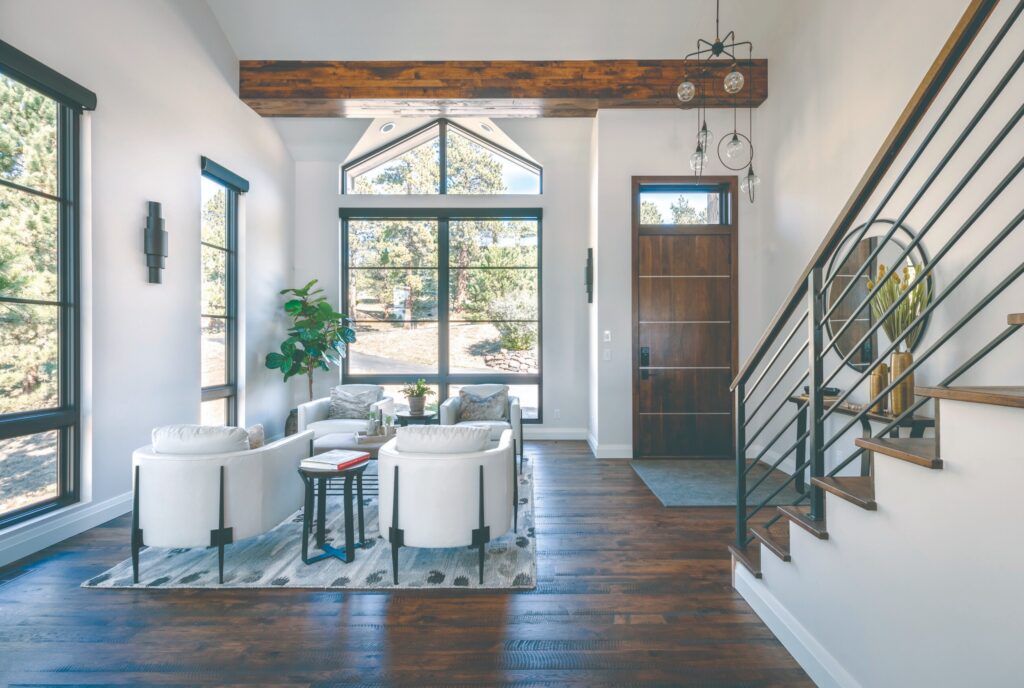
First, confirm whether the attic is suitable for living space. Ceiling height, floor strength, access, insulation, and ventilation matter. If the attic is only used for storage, the cost may be lower. If you want a legal bedroom or office, you may need code-compliant access, windows, heating, cooling, and electrical work.
Laundry Room Renovation Cost
Laundry rooms can be simple or expensive depending on plumbing and layout. A basic laundry room update may include paint, shelves, flooring, and lighting. A more advanced renovation may include new cabinets, countertops, sink installation, tile flooring, plumbing work, and better ventilation.
Common Laundry Room Cost Items
Washer and dryer hookups
Utility sink
Cabinets
Countertops
Shelving
Flooring
Lighting
Plumbing
Electrical outlets
Ventilation
Paint
How to Estimate Laundry Room Renovation Costs
If your washer and dryer stay in the same place, the cost is easier to manage. Moving laundry hookups requires plumbing and electrical work. Waterproof flooring is important because laundry rooms can face leaks, humidity, and heavy appliance use.
Home Office Renovation Cost
Home offices have become more important for remote workers, freelancers, and business owners. A basic office renovation may include paint, flooring, lighting, and furniture. A more advanced office may include built-in desks, storage, soundproofing, upgraded outlets, internet wiring, and custom lighting.
Common Home Office Cost Items
Flooring
Paint
Lighting
Built-in desk
Shelving
Soundproofing
Electrical outlets
Internet wiring
Window treatments
Storage
How to Estimate Home Office Renovation Costs
Think about function first. A good home office needs proper lighting, comfortable temperature, enough outlets, storage, and quiet space. Built-in furniture costs more than ready-made furniture, but it can improve storage and long-term usability.
Garage Renovation Cost
Garage renovation costs depend on how you plan to use the space. A basic garage update may include epoxy flooring, storage cabinets, lighting, and paint. A larger project may involve insulation, drywall, electrical work, HVAC, new garage doors, or converting the garage into living space.
Common Garage Cost Items
Garage door
Epoxy flooring
Storage cabinets
Drywall
Insulation
Lighting
Electrical work
HVAC
Paint
Floor repair
Permit requirements
How to Estimate Garage Renovation Costs
If the garage remains a garage, the estimate is usually simpler. If you convert it into a bedroom, office, gym, or rental unit, the cost increases because of building codes, insulation, heating, cooling, windows, flooring, and permits.
Exterior Renovation Cost
Exterior renovations can include siding, roofing, windows, doors, decks, patios, gutters, paint, landscaping, and exterior lighting. These projects are important because they protect the home and improve curb appeal.
Common Exterior Cost Items
Roofing
Siding
Windows
Exterior doors
Deck or patio
Gutters
Paint
Stone veneer
Porch repair
Landscaping
Exterior lighting
How to Estimate Exterior Renovation Costs
Exterior costs depend heavily on climate and state regulations. Homes in Florida may need hurricane-resistant materials. Homes in California may need wildfire-resistant choices in some areas. Homes in colder states like Minnesota, Michigan, and New York may need better insulation, windows, roofing, and weather protection.
When estimating exterior work, consider durability, weather resistance, and long-term maintenance.
How Renovation Costs Change by State
Location is one of the biggest reasons renovation costs vary. Labor rates, permit fees, building codes, climate requirements, property values, and contractor demand can change from state to state.
Here are some examples:
California
California renovation costs are often higher, especially in cities like Los Angeles, San Francisco, San Diego, and San Jose. Labor rates, permit requirements, seismic rules, wildfire concerns, and high property values can increase the total cost. Kitchen, bathroom, and structural renovations may require careful planning and code compliance.
New York
New York renovation costs can be high, especially in New York City and surrounding metro areas. Older buildings, apartment rules, union labor, limited access, parking issues, and strict permits can increase labor and project management costs. Upstate New York may be more affordable than NYC.
Texas
Texas renovation costs vary widely by city. Austin, Dallas, Houston, and San Antonio can have different labor and material pricing. Fast-growing areas may see higher demand for contractors. Heat, foundation movement, roofing, and HVAC upgrades are common cost considerations.
Florida
Florida renovations often need moisture protection, hurricane-resistant materials, impact windows, strong roofing, and proper ventilation. Coastal areas may have higher insurance and code requirements. Bathroom, roofing, siding, and window projects should be planned with humidity and storm protection in mind.
Illinois
Chicago-area renovation costs can be higher than smaller cities in Illinois because of labor rates, permits, older housing stock, and local building rules. Suburban and downstate projects may be more affordable, depending on contractor availability and material access.
Washington
Seattle and nearby areas can have higher renovation pricing because of labor demand, property values, energy codes, and moisture-related building concerns. Exterior materials, windows, insulation, and waterproofing are important in damp climates.
Arizona
Arizona renovations may focus on heat-resistant materials, efficient windows, insulation, roofing, shade structures, and HVAC performance. Costs can be lower than some coastal states, but energy-efficient upgrades are important because of extreme heat.
Colorado
Colorado renovation costs can increase in mountain areas because of weather, access, snow loads, transportation, and specialized building needs. Denver and Boulder may have higher labor costs than rural areas.
Georgia and North Carolina
Georgia and North Carolina often have moderate renovation costs compared with high-cost coastal states, but growing metro areas like Atlanta, Raleigh, and Charlotte may see higher contractor demand. Roofing, HVAC, flooring, and kitchen remodels are common projects in these states.
Pennsylvania and Ohio
Renovation costs in Pennsylvania and Ohio can be more affordable than coastal markets, but older homes may require electrical, plumbing, foundation, insulation, or roofing upgrades. Cities like Philadelphia and Pittsburgh may cost more than smaller towns.
Room-by-Room Renovation Budget Example
Here is a simple way to organize your estimate before hiring a contractor:
Kitchen: cabinets, countertops, appliances, sink, backsplash, flooring, lighting, plumbing, electrical, labor
Bathroom: vanity, toilet, shower, tub, tile, waterproofing, fixtures, fan, plumbing, labor
Living Room: flooring, paint, lighting, trim, fireplace, built-ins, electrical
Bedroom: paint, flooring, closet, lighting, trim, window treatments
Basement: framing, insulation, drywall, flooring, ceiling, waterproofing, electrical, HVAC
Laundry Room: flooring, cabinets, plumbing, lighting, appliances, ventilation
Garage: flooring, storage, lighting, insulation, garage door, electrical
Exterior: roofing, siding, windows, doors, gutters, deck, paint, landscaping
This breakdown helps you see the total project clearly instead of guessing one large number.
Hidden Costs Homeowners Often Forget
Even a well-planned renovation can include hidden costs. These are the items that often surprise homeowners.
Permits
Permit requirements vary by city and state. Electrical, plumbing, HVAC, structural work, additions, and major remodels often need permits.
Demolition and Disposal
Removing old cabinets, flooring, drywall, tile, fixtures, and debris costs money. Dumpster rental and hauling fees should be included.
Temporary Living Costs
If the kitchen or bathroom is out of service, you may spend extra on food, temporary housing, laundry, or storage.
Structural Repairs
Once walls or floors are opened, contractors may find water damage, rot, mold, foundation problems, or framing issues.
Electrical and Plumbing Updates
Older homes may need wiring, panel, outlet, pipe, or fixture upgrades before the renovation can continue safely.
Design Changes
Changing your mind during construction can increase costs. New materials, layout changes, and late decisions can create change orders.
Material Delivery Delays
Custom cabinets, specialty tile, windows, appliances, and fixtures may take longer to arrive. Delays can affect labor schedules and total cost.
How to Build a Realistic Home Renovation Budget
A good renovation budget should include more than materials and labor. Use this simple formula:
Total Renovation Budget = Materials + Labor + Permits + Design Fees + Demolition + Disposal + Contingency
The contingency is very important. Many homeowners set aside an extra 10% to 20% for unexpected costs. Older homes, structural work, plumbing changes, and large remodels may need a higher contingency.
How to Save Money on Home Renovation
You do not always need to choose the cheapest option. The goal is to spend wisely.
Here are practical ways to control renovation costs:
Keep the existing layout where possible
Avoid moving plumbing unless necessary
Compare multiple contractor quotes
Choose durable mid-range materials
Buy standard-size cabinets and fixtures
Reuse items that are still in good condition
Plan everything before construction starts
Avoid last-minute changes
Do cosmetic updates in low-priority rooms
Do small DIY tasks only if you have the skill
For example, keeping a kitchen sink in the same location can reduce plumbing cost. Choosing stock cabinets instead of custom cabinets can also save money. Using luxury vinyl plank instead of hardwood may reduce flooring expenses while still giving a clean look.
How to Compare Contractor Estimates
When you receive contractor estimates, do not only compare the final price. A low bid may exclude important items, while a higher bid may include better materials, permits, cleanup, and project management.
Check whether the estimate includes:
Detailed scope of work
Material specifications
Labor cost
Permit responsibility
Demolition and disposal
Project timeline
Payment schedule
Warranty information
Change order process
Insurance and license details
A professional estimate should be clear enough that you understand exactly what is included and what is not included.
Final Checklist Before Starting a Renovation
Before construction begins, review this checklist:
Define your renovation goals
Measure each room
Create a room-by-room scope
Choose material quality level
Research local permit requirements
Get multiple contractor estimates
Add a contingency budget
Confirm the project timeline
Prepare for temporary disruptions
Review the contract carefully
This checklist can help you avoid rushed decisions and unexpected costs.
Conclusion
Estimating home renovation costs becomes much easier when you break the project down room by room. Kitchens, bathrooms, basements, and exterior upgrades usually require higher budgets, while bedrooms, dining rooms, and living rooms may be more affordable depending on the scope. Your state, city, home condition, material choices, labor rates, and permit requirements all affect the final price. A realistic estimate should include materials, labor, permits, demolition, disposal, design fees, and a contingency fund for unexpected issues.
If you want a more accurate and professionally prepared renovation estimate, Perfect Estimator can help you plan your project with detailed cost breakdowns, material takeoffs, and construction estimating support. Whether you are renovating a kitchen, bathroom, basement, exterior, or full home, our estimating services help homeowners, contractors, and builders understand the expected cost before work begins.