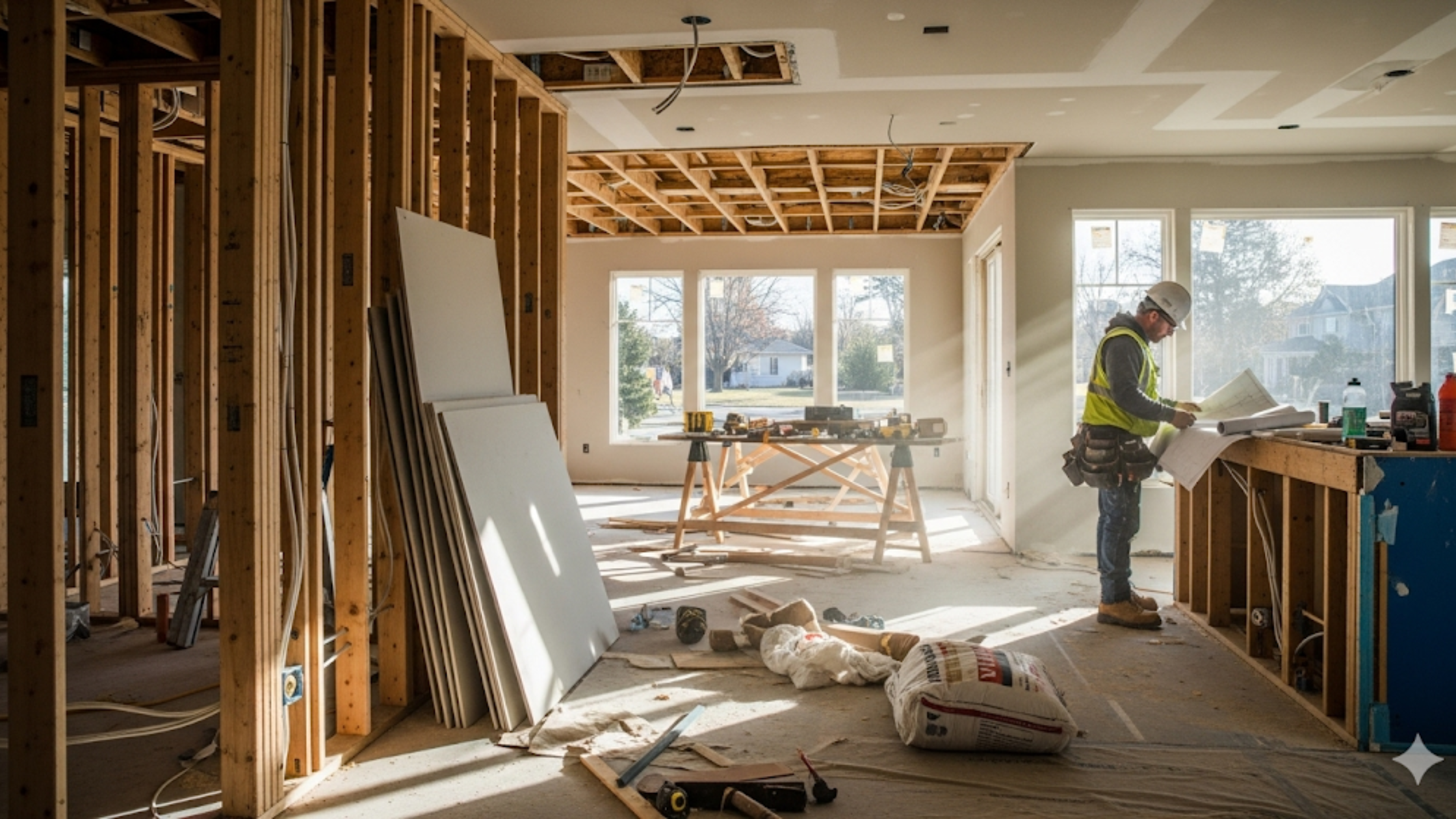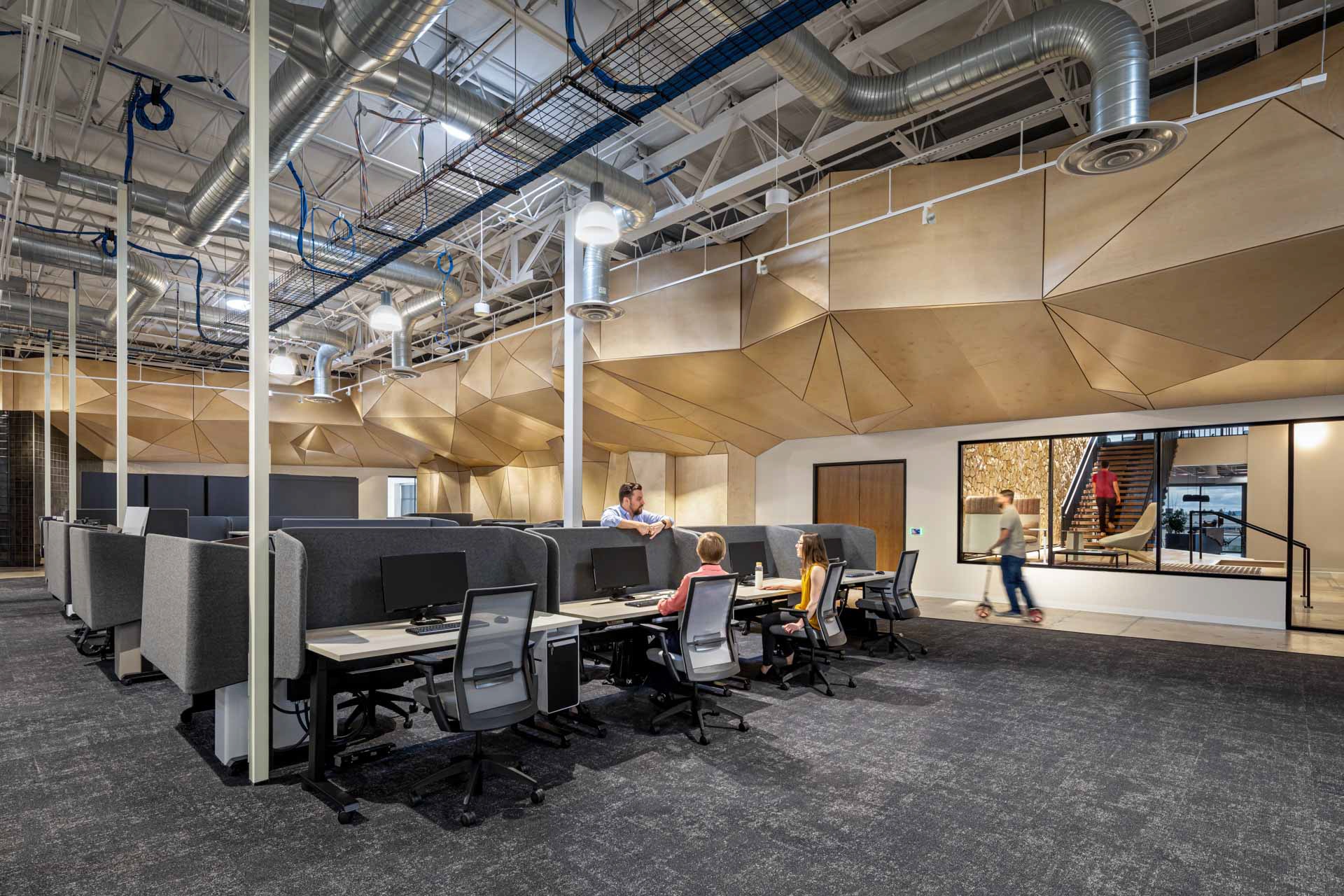
Commercial renovation costs can vary widely because every business space has a different size, purpose, location, building condition, and level of finish. A small office refresh may only need paint, flooring, lighting, and minor layout changes, while a restaurant, medical clinic, retail store, or full commercial build-out may require plumbing, electrical upgrades, HVAC work, permits, fire safety systems, ADA compliance, and custom interior finishes.
So, how much does a commercial renovation cost per square foot? In most U.S. markets, a general commercial renovation may cost anywhere from $50 to $250+ per square foot, depending on the project scope. Light cosmetic upgrades usually stay on the lower end, while full interior renovations, restaurant build-outs, medical spaces, and high-end office improvements can go much higher.
The most important thing to understand is that square-foot pricing is only a planning tool. It gives business owners, developers, property managers, and tenants a starting point, but the final renovation cost depends on detailed drawings, site conditions, local labor rates, materials, permits, and contractor pricing.
Quick Answer: Average Commercial Renovation Cost Per Square Foot
Here is a simple starting range for commercial renovation budgeting:
| Renovation Type | Estimated Cost Per Square Foot |
| Light cosmetic renovation | $50–$100 per sq. ft. |
| Standard commercial renovation | $100–$200 per sq. ft. |
| High-end commercial renovation | $200–$350+ per sq. ft. |
| Basic retail tenant improvement | $40–$90 per sq. ft. |
| Mid-range retail or office renovation | $90–$180 per sq. ft. |
| Restaurant renovation or build-out | $200–$500+ per sq. ft. |
| Medical office renovation | $150–$350+ per sq. ft. |
These numbers are not fixed prices. They are broad planning ranges. A simple 3,000-square-foot office in Texas may cost much less than a 3,000-square-foot restaurant in New York City or California. A second-generation space that already has working electrical, plumbing, HVAC, ceilings, restrooms, and fire protection will usually cost less than a cold shell space that needs everything from scratch.
What Does “Commercial Renovation Cost Per Square Foot” Mean?
Commercial renovation cost per square foot means the total estimated renovation cost divided by the total square footage of the project area.
For example:
If a 5,000-square-foot office renovation costs $750,000:
$750,000 ÷ 5,000 sq. ft. = $150 per sq. ft.
This method is useful because it allows business owners to compare projects of different sizes. However, it does not mean every square foot costs the same. Restrooms, kitchens, server rooms, medical rooms, dining areas, and mechanical spaces usually cost more than open office areas or basic storage rooms.
A square-foot estimate becomes more accurate when the estimator knows:
- Type of commercial space
- Existing building condition
- State and city location
- Required permits
- Material quality
- Labor rates
- MEP requirements
- Fire safety and ADA requirements
- Timeline and working hours
- Design complexity
Commercial Renovation Cost by Project Scope
The biggest cost factor is the scope of work. A renovation that only updates the look of the space will cost much less than a renovation that changes the layout, plumbing, electrical system, HVAC system, or occupancy use.
1. Light Cosmetic Renovation: $50–$100 Per Square Foot
A light commercial renovation is usually focused on appearance and basic comfort. This type of project may include new paint, flooring, ceiling tile replacement, lighting upgrades, minor millwork, and simple repairs.
This budget range is common for offices, small retail shops, salons, showrooms, and professional service businesses that do not need major construction changes.
Common items include:
- Interior painting
- Carpet or vinyl flooring
- Basic LED lighting
- Ceiling repairs
- Minor drywall patching
- Simple reception improvements
- Door and hardware updates
- Basic signage preparation
Light renovations are usually faster and less risky because they do not heavily disturb the building systems. However, costs can still increase if hidden damage, outdated wiring, water issues, or code violations are discovered during construction.
2. Standard Commercial Renovation: $100–$200 Per Square Foot
A standard commercial renovation includes more than surface-level updates. This range is common for business owners who want a professional, functional, and modern space.
This may include layout changes, new partitions, updated flooring, improved lighting, HVAC adjustments, upgraded restrooms, employee break areas, and better finishes.
This range is common for:
- Corporate offices
- Law firms
- Real estate offices
- Clinics with limited medical equipment
- Retail stores
- Training centers
- Small fitness studios
- Co-working spaces
A standard renovation gives the business a better customer experience and employee environment without moving into luxury-level finishes.
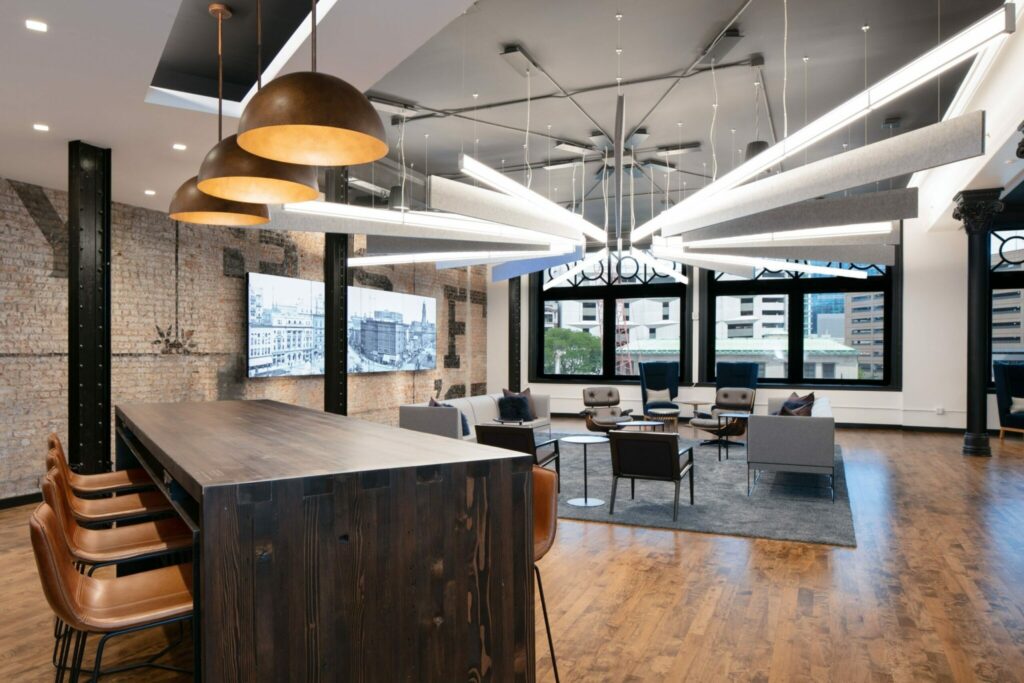
3. High-End Commercial Renovation: $200–$350+ Per Square Foot
High-end commercial renovations use premium materials, custom designs, advanced technology, and more complex construction. This range is common for Class A offices, luxury retail stores, high-end restaurants, executive suites, medical practices, and flagship business locations.
High-end costs may include:
- Custom millwork
- Glass partitions
- Stone countertops
- Designer lighting
- Advanced AV systems
- Smart building controls
- High-end flooring
- Premium restroom finishes
- Custom reception areas
- Specialty ceilings
- Upgraded HVAC systems
These projects require more design coordination, higher-quality materials, skilled trades, and more detailed project management. They also often involve longer permit review and inspection processes.
Commercial Renovation Cost by Building Type
Different commercial spaces have different cost levels because they have different technical needs. A retail store does not have the same renovation requirements as a restaurant, dental office, warehouse, or corporate office.
| Building Type | Typical Cost Per Square Foot | Why Costs Vary |
| Office renovation | $75–$250+ | Layout, finishes, lighting, HVAC, IT, conference rooms |
| Retail renovation | $40–$300+ | Display areas, flooring, lighting, branding, storefront work |
| Restaurant renovation | $200–$500+ | Kitchen, hood, grease trap, plumbing, fire safety, HVAC |
| Medical office renovation | $150–$350+ | Exam rooms, plumbing, electrical, medical-grade finishes |
| Fitness center renovation | $80–$200+ | Flooring, showers, HVAC, locker rooms, equipment layout |
| Warehouse renovation | $40–$150+ | Lighting, loading areas, office build-out, electrical upgrades |
| Salon or spa renovation | $100–$250+ | Plumbing, electrical, partitions, finishes, customer areas |
| Hotel or hospitality renovation | $150–$400+ | Guest rooms, lobby, bathrooms, finishes, brand standards |
Office Renovation Cost Per Square Foot
Office renovation costs usually range from $75 to $250+ per square foot, depending on location and finish level. A simple back-office remodel may stay close to the lower range, while a high-end corporate office in New York, California, Washington, or Massachusetts can cost significantly more.
Office renovation costs are affected by:
- Open office vs. private office layout
- Conference room requirements
- Glass partitions
- Workstation layout
- IT and low-voltage cabling
- HVAC zoning
- Restroom upgrades
- Breakroom or kitchenette construction
- Flooring and ceiling quality
- Furniture and fixtures
A 5,000-square-foot office renovation at $150 per square foot would cost around $750,000 before additional costs such as furniture, technology, contingency, and some soft costs.
Retail Renovation Cost Per Square Foot
Retail renovation costs can range from $40 to $300+ per square foot. A basic retail tenant improvement project may include flooring, paint, lighting, checkout counters, fitting rooms, and simple display areas. A premium retail store may require custom shelving, decorative lighting, branded interiors, storefront upgrades, security systems, and high-end finishes.
Retail renovation costs depend on:
- Store size
- Brand standards
- Lighting design
- Display fixtures
- Flooring material
- Ceiling condition
- Storefront improvements
- Security system
- ADA access
- Existing shell condition
A second-generation retail space that already has basic systems in place will normally cost less than a first-generation shell space.
Restaurant Renovation Cost Per Square Foot
Restaurant renovation is usually one of the most expensive commercial renovation categories. Costs often range from $200 to $500+ per square foot, depending on the kitchen, dining area, equipment, and code requirements.
Restaurants are expensive because they may need:
- Commercial kitchen equipment
- Type I hood system
- Grease interceptor
- Fire suppression system
- Plumbing upgrades
- Gas lines
- Makeup air system
- Walk-in cooler or freezer
- Floor drains
- Health department compliance
- Dining area finishes
- Restroom upgrades
- ADA improvements
A small restaurant renovation can become costly if the existing space was not previously used as a restaurant. Converting a retail store into a restaurant is usually much more expensive than improving an existing restaurant space.
Medical Office Renovation Cost Per Square Foot
Medical office renovation usually ranges from $150 to $350+ per square foot. Costs are higher than a basic office because medical spaces often require plumbing in exam rooms, special electrical layouts, durable surfaces, privacy-focused design, and stricter code compliance.
Medical office renovation may include:
- Exam rooms
- Patient waiting area
- Reception and check-in desk
- Medical storage
- Handwashing sinks
- Lab area
- ADA restrooms
- Specialized flooring
- Electrical upgrades
- HVAC improvements
- Privacy and sound control
Dental offices, imaging centers, surgery centers, and specialty clinics may cost even more because they need specialized equipment and technical installation.
Commercial Renovation Cost Per Square Foot by State
Commercial renovation costs change from state to state because labor rates, permit fees, building codes, insurance, material delivery, and market demand are different in every location. The same scope of work may cost much more in California or New York than in Texas, Georgia, or Arizona.
Below are general planning ranges for different states and major markets.
| State / Market | Typical Commercial Renovation Range | Cost Notes |
| California | $120–$350+ per sq. ft. | Higher labor costs, seismic requirements, strict codes, expensive coastal markets |
| New York | $100–$400+ per sq. ft. | NYC is one of the highest-cost markets due to labor, permitting, logistics, and building rules |
| Texas | $70–$250+ per sq. ft. | Dallas, Houston, Austin, and San Antonio vary; Austin can be higher due to demand |
| Florida | $80–$260+ per sq. ft. | Hurricane codes, humidity control, insurance, and coastal requirements affect cost |
| Illinois | $85–$275+ per sq. ft. | Chicago projects may require higher labor and winter scheduling considerations |
| Georgia | $70–$230+ per sq. ft. | Atlanta is active but often more affordable than coastal cities |
| Arizona | $75–$240+ per sq. ft. | HVAC load, heat protection, and fast growth markets affect pricing |
| Colorado | $85–$275+ per sq. ft. | Denver costs are affected by labor demand and regional growth |
| Washington | $100–$320+ per sq. ft. | Seattle can be costly due to labor, codes, and technology-sector demand |
| Massachusetts | $110–$350+ per sq. ft. | Boston often trends higher due to labor, life science, healthcare, and office demand |
| North Carolina | $70–$230+ per sq. ft. | Charlotte and Raleigh are growing markets with moderate-to-rising costs |
| Ohio | $65–$220+ per sq. ft. | Generally more affordable, but costs rise in urban and medical projects |
| Pennsylvania | $75–$250+ per sq. ft. | Philadelphia may cost more than smaller cities due to labor and code requirements |
| Nevada | $80–$260+ per sq. ft. | Las Vegas hospitality and restaurant projects can increase costs |
| Tennessee | $70–$230+ per sq. ft. | Nashville growth can push costs above smaller regional markets |
These ranges are useful for early planning, but every project needs a local estimate. A commercial renovation in Los Angeles, San Francisco, San Jose, New York City, Boston, Seattle, or Miami will often cost more than a similar project in smaller cities because of labor availability, permitting complexity, and construction demand.
Why Location Changes Commercial Renovation Costs
Location affects commercial renovation pricing in several ways. First, labor rates are not the same in every state. A skilled electrician, plumber, HVAC technician, or carpenter may cost more in large urban markets than in smaller cities.
Second, local codes can increase scope. For example, seismic standards in California, hurricane requirements in Florida, and dense urban building rules in New York can increase planning, engineering, material, and inspection costs.
Third, logistics matter. Renovating a commercial space in a high-rise building, downtown area, shopping mall, airport, hospital campus, or occupied building is more difficult than renovating a single-story suburban space with easy access.
Location can affect:
- Labor rates
- Permit fees
- Inspection timelines
- Insurance requirements
- Material delivery costs
- Union or non-union labor availability
- Building code requirements
- Working-hour restrictions
- Parking and site access
- Waste removal cost
- Contractor availability
Hard Costs vs. Soft Costs in Commercial Renovation
A commercial renovation budget usually includes both hard costs and soft costs.
Hard Costs
Hard costs are the physical construction costs. These include labor, materials, equipment, demolition, flooring, walls, ceilings, HVAC, electrical, plumbing, millwork, and finishes.
Common hard costs include:
- Demolition
- Framing and drywall
- Flooring
- Painting
- Ceiling work
- Lighting
- Electrical work
- Plumbing
- HVAC
- Fire protection
- Millwork
- Doors and hardware
- Restroom construction
- Kitchen or breakroom construction
- Exterior storefront work
Hard costs usually make up the largest part of the renovation budget.
Soft Costs
Soft costs are the professional and administrative costs needed to complete the project. These may include architectural design, engineering, permits, inspections, legal review, project management, insurance, and testing.
Common soft costs include:
- Architectural drawings
- Interior design
- MEP engineering
- Structural engineering
- Permit fees
- Inspection fees
- Project management
- Legal or lease review
- Insurance
- Surveys
- Testing and reports
Soft costs can add a significant amount to the total project budget. Business owners should not only budget for construction work but also for design, permits, furniture, technology, and contingency.
Major Cost Drivers in Commercial Renovation
Commercial renovation pricing is not only about square footage. Two spaces with the same size can have completely different costs if the scope is different.
1. Existing Building Condition
If the existing space is in good condition, renovation costs may stay lower. If the building has old wiring, damaged plumbing, poor HVAC, moisture issues, code violations, or structural problems, the budget can increase quickly.
Before starting work, it is important to inspect:
- Electrical panel capacity
- HVAC condition
- Plumbing lines
- Roof leaks
- Flooring condition
- Wall structure
- Fire alarm and sprinkler systems
- Restroom compliance
- Ceiling and lighting systems
2. Type of Commercial Use
The intended use of the space affects cost. A basic office is usually less expensive than a restaurant, medical clinic, lab, salon, or fitness center because those spaces need more plumbing, electrical, ventilation, and code compliance.
Changing the use of a space can also trigger additional permit requirements. For example, converting a retail store into a restaurant may require major plumbing, gas, exhaust, fire suppression, and health department approvals.
3. MEP Systems
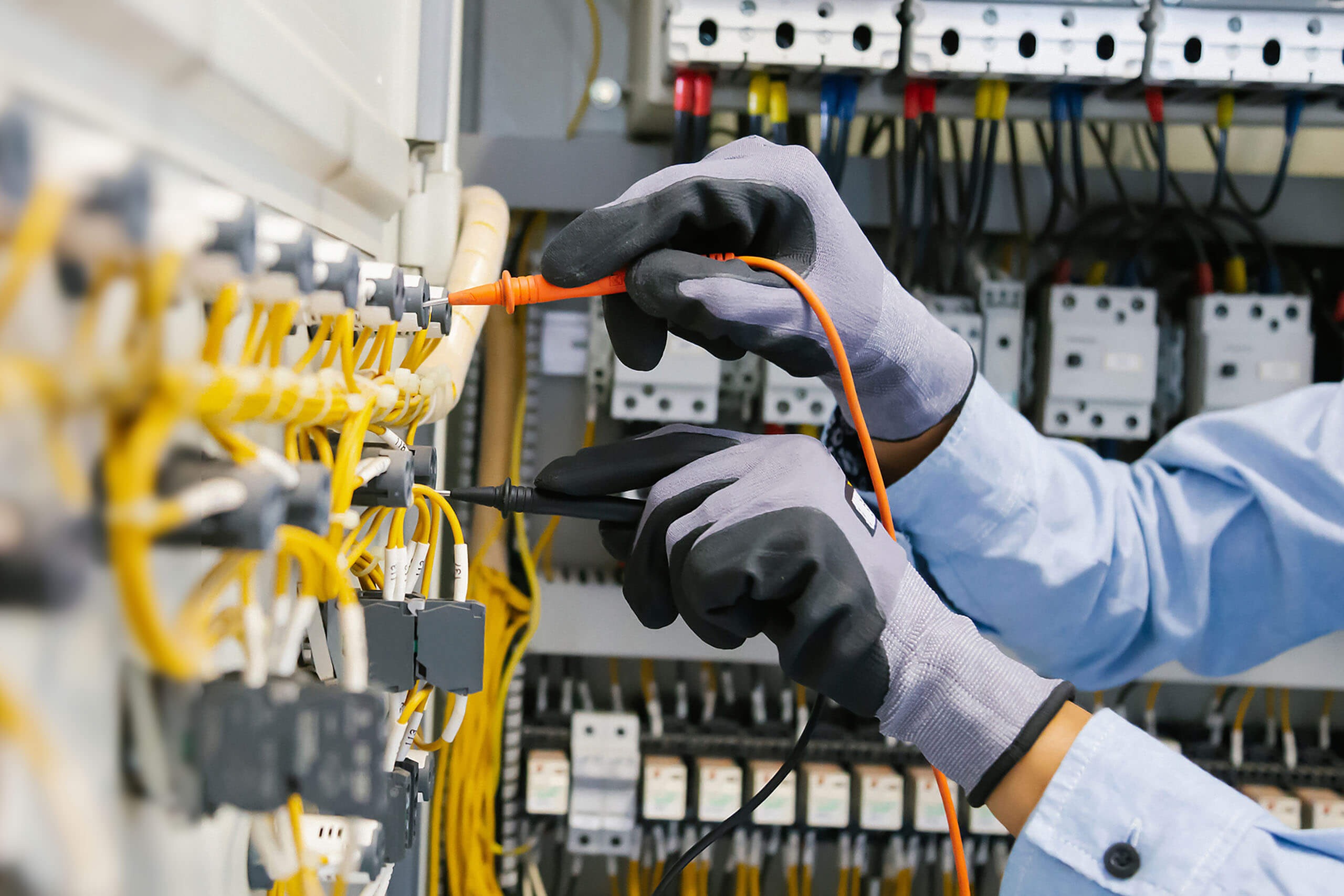
MEP stands for mechanical, electrical, and plumbing. These systems are often the most expensive parts of a commercial renovation.
MEP costs increase when the project needs:
- New HVAC zones
- Larger electrical service
- New plumbing lines
- Commercial kitchen systems
- Exhaust and ventilation
- Fire alarm upgrades
- Sprinkler modifications
- Data and low-voltage cabling
- Backup power
- Specialized equipment connections
If a project has heavy MEP work, the square-foot cost can increase significantly.
4. Quality of Materials
Material selection has a direct impact on cost. Basic carpet tile, standard paint, and simple lighting will cost less than hardwood flooring, stone counters, custom millwork, glass walls, decorative ceilings, and designer fixtures.
Common finish choices that affect cost include:
- Flooring type
- Wall finishes
- Lighting fixtures
- Ceiling design
- Cabinetry and millwork
- Countertops
- Restroom fixtures
- Doors and hardware
- Storefront glass
- Signage preparation
5. Permits and Code Compliance
Commercial renovation projects often require permits and inspections. Depending on the city and scope, permits may be needed for building work, electrical work, plumbing, HVAC, fire protection, signage, and occupancy changes.
Code-related upgrades may include:
- ADA-compliant restrooms
- Accessible entrances
- Fire-rated walls
- Emergency lighting
- Exit signs
- Sprinkler changes
- Fire alarm upgrades
- Ventilation requirements
- Health department approvals
- Seismic or hurricane requirements
Ignoring code requirements during early budgeting can lead to unexpected cost increases later.
6. Project Timeline
Fast-track projects often cost more because they may require overtime labor, additional crews, faster material delivery, and more coordination. Renovating an occupied building can also increase cost because contractors may need to work nights, weekends, or in phases.
A longer timeline is not always bad. A realistic schedule can reduce mistakes, change orders, and rush costs.
Sample Commercial Renovation Budget Examples
Here are simple examples to help understand how square-foot pricing works.
Example 1: Small Office Renovation
Project size: 3,000 sq. ft.
Estimated cost: $100 per sq. ft.
Total estimated renovation cost: $300,000
This may include new paint, flooring, lighting, minor wall changes, and basic office improvements.
Example 2: Mid-Range Retail Renovation
Project size: 4,000 sq. ft.
Estimated cost: $150 per sq. ft.
Total estimated renovation cost: $600,000
This may include retail flooring, display lighting, fitting rooms, checkout area, wall finishes, and some back-of-house improvements.
Example 3: Restaurant Renovation
Project size: 2,500 sq. ft.
Estimated cost: $350 per sq. ft.
Total estimated renovation cost: $875,000
This may include commercial kitchen upgrades, dining area finishes, plumbing, hood system, grease trap, fire suppression, restrooms, and health department requirements.
Example 4: Medical Office Renovation
Project size: 6,000 sq. ft.
Estimated cost: $225 per sq. ft.
Total estimated renovation cost: $1,350,000
This may include exam rooms, reception, medical storage, handwashing sinks, HVAC upgrades, electrical work, privacy design, and ADA-compliant restrooms.
How to Calculate a Commercial Renovation Budget
A simple formula is:
Total Square Feet × Estimated Cost Per Square Foot = Base Renovation Budget
Then add:
- Design and engineering fees
- Permit fees
- Furniture, fixtures, and equipment
- Technology and low-voltage cabling
- Contingency
- Temporary relocation or business interruption costs
For example:
A 5,000-square-foot office at $150 per square foot:
5,000 × $150 = $750,000 base renovation cost
Then add 10% contingency:
$750,000 × 10% = $75,000
Estimated planning budget:
$750,000 + $75,000 = $825,000
If soft costs, furniture, and technology are not included, they should be added separately.
How Much Contingency Should You Add?
Most commercial renovation projects should include a contingency budget. A common planning range is 5% to 15%, depending on project complexity.
Use a lower contingency if:
- The project is simple
- The building condition is known
- Drawings are complete
- Materials are standard
- Contractors have already inspected the site
Use a higher contingency if:
- The building is old
- Existing conditions are unknown
- MEP work is heavy
- The project is in a high-cost city
- Permits are complex
- The timeline is tight
- The design is still changing
Contingency is not extra profit. It is a safety buffer for unexpected issues such as hidden damage, code upgrades, material price changes, or field conditions.
How to Reduce Commercial Renovation Costs
Business owners can reduce commercial renovation costs with better planning and smarter decisions.
Choose the Right Existing Space
A cheaper lease is not always cheaper overall. If the space needs major plumbing, electrical, HVAC, or code upgrades, renovation costs can cancel out the rent savings.
Before signing a lease, check:
- HVAC capacity
- Electrical service
- Restroom condition
- Plumbing availability
- Fire protection system
- Ceiling height
- Floor condition
- ADA access
- Previous use of the space
Keep the Layout Efficient
Moving walls, restrooms, kitchens, plumbing lines, and mechanical systems increases cost. If possible, keep expensive systems close to their existing locations.
Select Practical Materials
Premium finishes look attractive, but they may not always be necessary. Durable, commercial-grade materials can give a professional look while controlling cost.
Finalize Drawings Before Construction
Many cost overruns happen because design decisions keep changing during construction. Finalizing drawings, finishes, and scope before work starts helps reduce change orders.
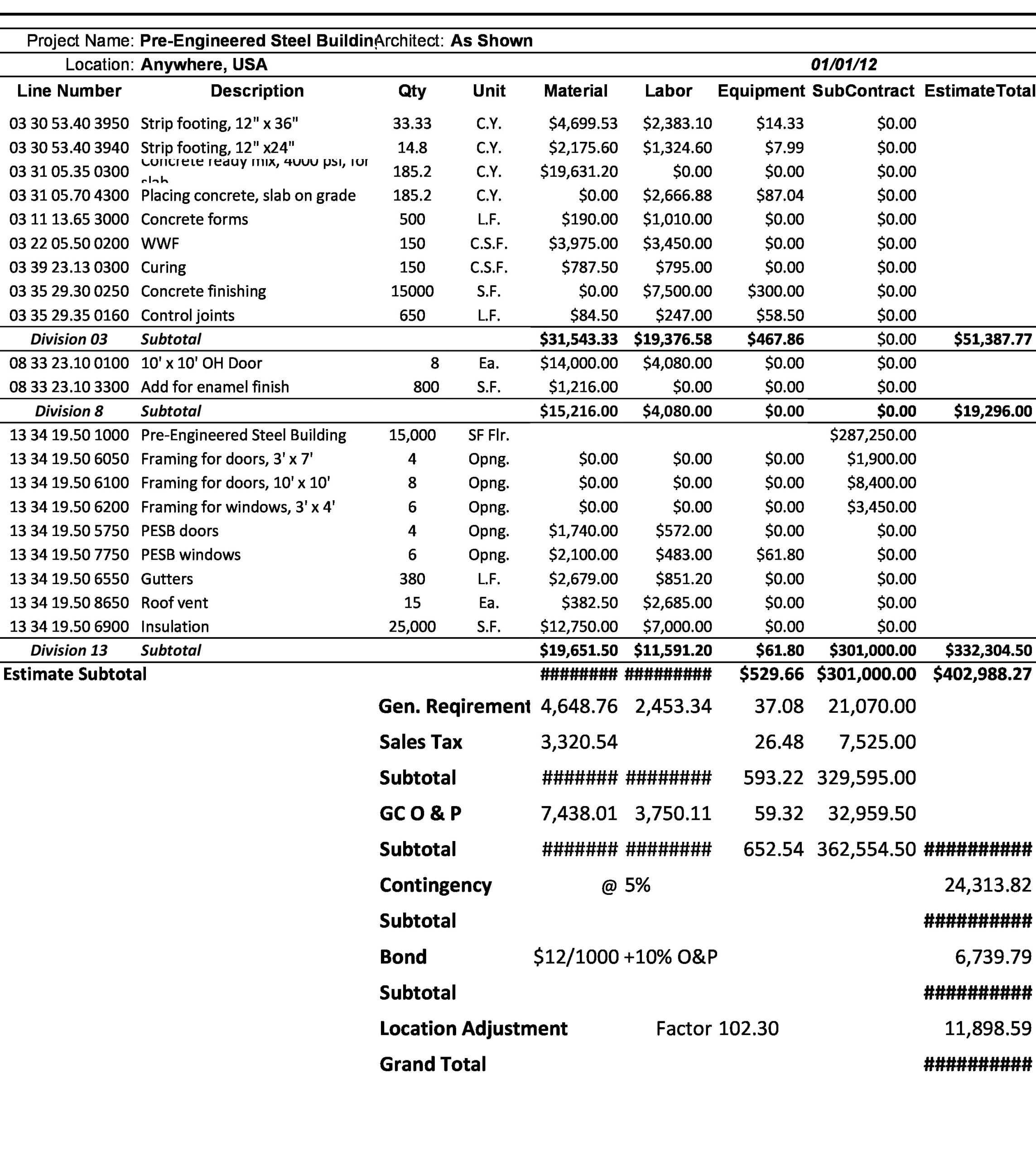
Get a Detailed Estimate
A detailed commercial renovation estimate is better than a rough verbal quote. It should break down demolition, labor, materials, MEP, finishes, permits, soft costs, and contingency.
Common Mistakes That Increase Commercial Renovation Costs
Avoid these mistakes when planning a commercial renovation:
- Budgeting only by square footage without checking scope
- Forgetting permits and inspections
- Ignoring ADA requirements
- Underestimating electrical and HVAC needs
- Choosing a space without checking existing conditions
- Starting construction before drawings are complete
- Not including contingency
- Using residential pricing for commercial work
- Forgetting furniture, technology, and signage
- Comparing bids that do not include the same scope
A commercial renovation is a business investment. A low estimate that misses important items can become more expensive later than a realistic estimate prepared at the beginning.
Final Thoughts
Commercial renovation cost per square foot depends on project type, location, building condition, materials, labor, MEP systems, permits, and finish quality. As a general guide, many commercial renovations fall between $50 and $250+ per square foot, while restaurants, medical offices, high-end retail spaces, and complex build-outs can cost more. States like California, New York, Washington, Massachusetts, and Florida may have higher costs because of labor, codes, logistics, and market demand, while many parts of Texas, Georgia, Ohio, Tennessee, and North Carolina may offer more moderate pricing depending on the city and scope.
If you are planning a commercial renovation and need a clear, accurate, and professional cost breakdown, Perfect Estimator can help you prepare detailed commercial renovation estimates based on your project drawings, scope, materials, labor, and location. Our estimating support helps contractors, business owners, developers, and project managers understand expected renovation costs before construction starts, so they can budget smarter and avoid costly surprises.