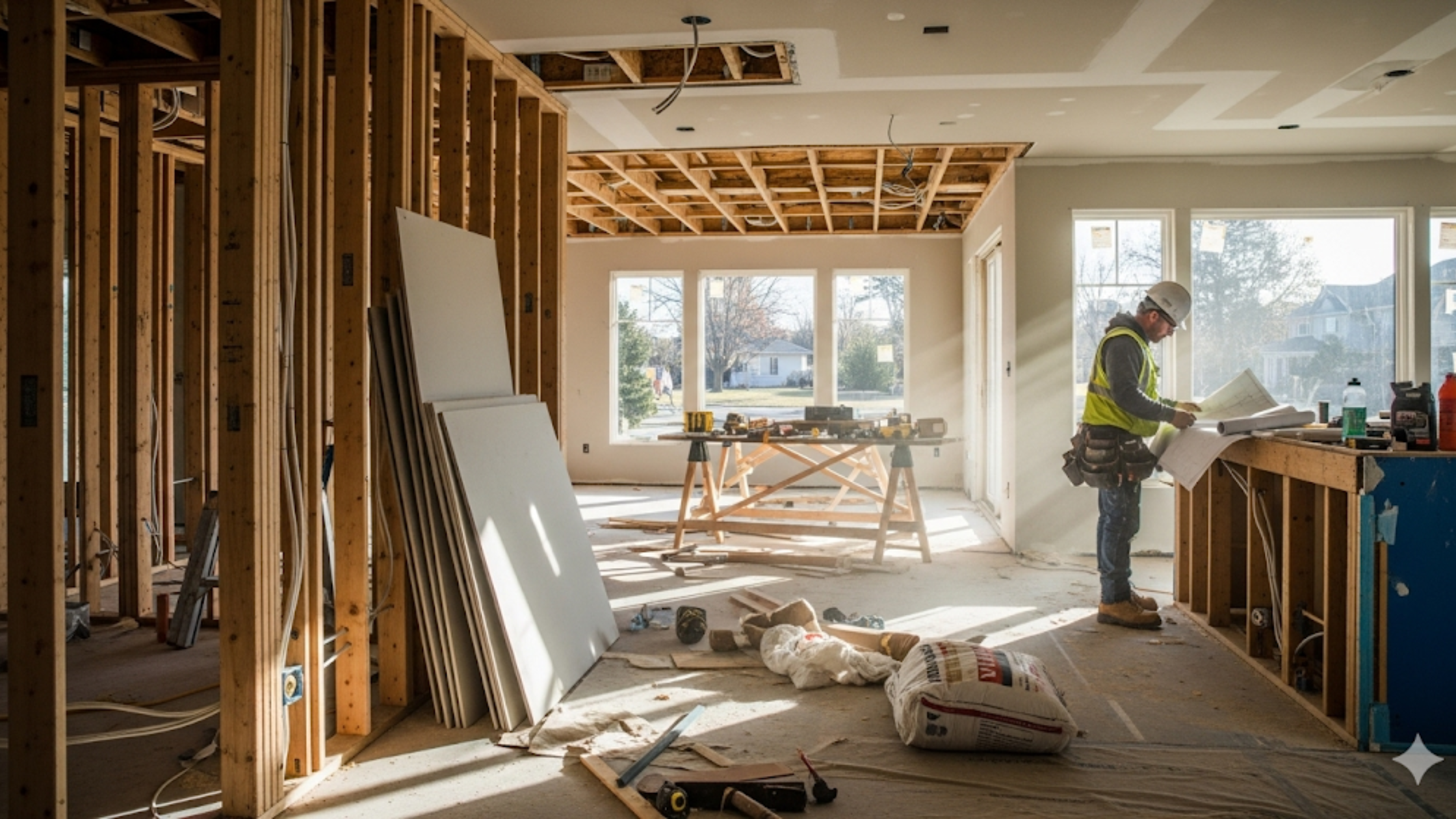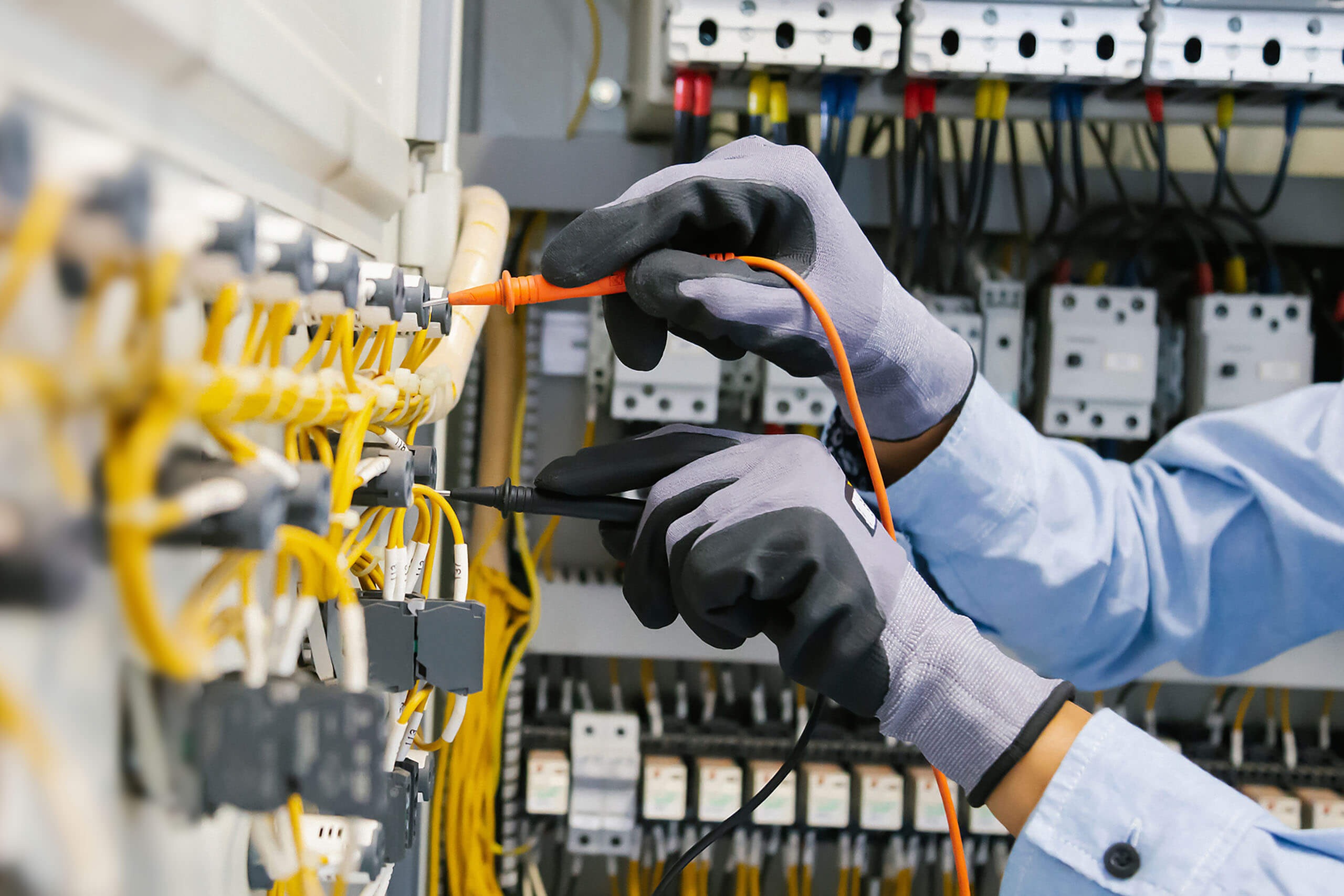
Building a new house is exciting, but the electrical system is one of the most important parts of the entire project. It powers your lights, kitchen appliances, HVAC system, outlets, security devices, internet equipment, smart home features, garage tools, and future upgrades. Because of this, many homeowners and builders ask one common question before construction begins: how much does electrical wiring cost for a new house in 2026?
In 2026, the average cost to wire a new house in the United States usually falls between $4 and $9 per square foot for standard new construction wiring. For a typical 1,500 to 2,500 square foot home, that means the total electrical wiring cost can commonly range from about $6,000 to $22,500, depending on location, house size, labor rates, material quality, panel size, number of outlets, code requirements, and project complexity.
However, this is only a starting point. A simple single-story home in Texas or Georgia may cost much less than a custom home in California, New York, Massachusetts, or Washington. A basic wiring package will also cost less than a home with recessed lighting, EV charger wiring, smart switches, outdoor lighting, backup generator wiring, security systems, or a 400-amp electrical service.
This guide explains new house electrical wiring costs in 2026, including cost per square foot, home-size examples, state-by-state pricing factors, labor and material costs, rough-in costs, panel costs, permits, and ways to plan your budget more accurately.
Average Electrical Wiring Cost for a New House in 2026
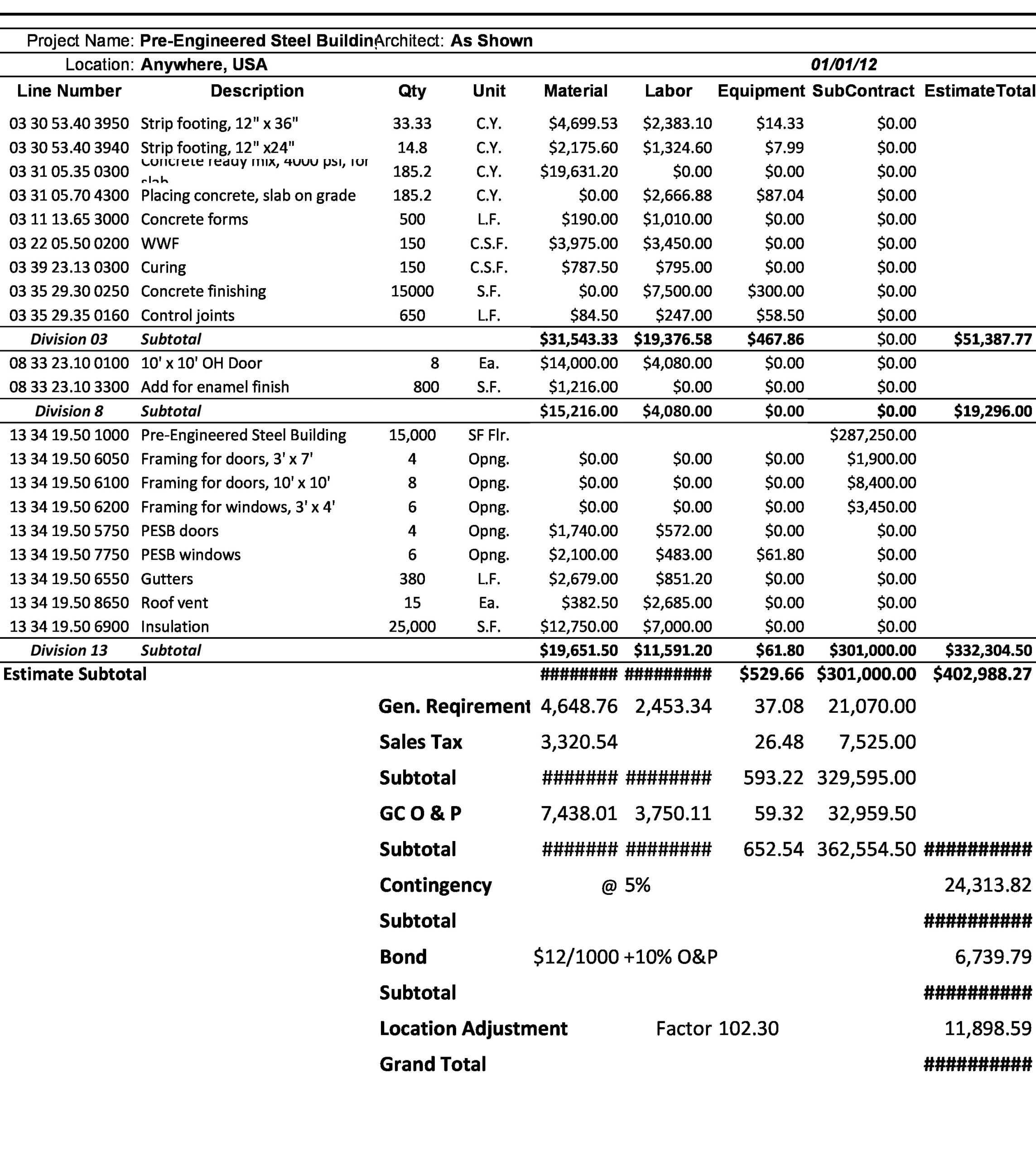
For most new residential construction projects, electrical wiring is priced in one of three ways: by square foot, by the full project, or by itemized electrical takeoff. For early budgeting, the square-foot method is the easiest. For accurate bidding, contractors usually need a detailed electrical estimate based on drawings, fixture schedules, outlet counts, wire lengths, panel requirements, and local labor rates.
Here is a general 2026 pricing guide:
| Home Size | Low Estimate at $4/sq. ft. | High Estimate at $9/sq. ft. |
| 1,000 sq. ft. | $4,000 | $9,000 |
| 1,500 sq. ft. | $6,000 | $13,500 |
| 2,000 sq. ft. | $8,000 | $18,000 |
| 2,500 sq. ft. | $10,000 | $22,500 |
| 3,000 sq. ft. | $12,000 | $27,000 |
| 4,000 sq. ft. | $16,000 | $36,000 |
These numbers usually include standard electrical wiring for a new home, but they may not include every possible fixture, upgrade, specialty system, or local permit fee. A basic electrical package may cover wiring, outlets, switches, circuits, junction boxes, and the main panel connection. A more advanced package may include recessed lights, dedicated appliance circuits, structured cabling, security wiring, landscape lighting, smart home controls, EV charging, and generator-ready wiring.
Electrical Wiring Cost Per Square Foot
The most common 2026 planning range for new house electrical wiring is $4 to $9 per square foot. This range works well for early budgeting because it connects the electrical cost to the size of the house.
A smaller home usually costs less overall, but the price per square foot may be slightly higher because some costs are fixed. For example, every home still needs a service panel, main circuits, grounding, inspections, and basic labor setup. A larger home may cost more in total, but the per-square-foot price can sometimes become more efficient if the layout is simple.
A basic new house electrical system may fall near the lower end of the range if the design is simple, the walls are open, the home has standard outlets and switches, and the local labor market is affordable. A custom home may move toward the higher end if it includes luxury lighting, multiple subpanels, heavy appliance loads, home automation, outdoor circuits, or complex ceiling designs.
Cost to Wire a 2,000 Square Foot New House
A 2,000 square foot home is a common size for cost planning. In 2026, the electrical wiring cost for a 2,000 sq. ft. new house may range from $8,000 to $18,000 using the $4 to $9 per square foot pricing method.
A basic 2,000 sq. ft. home may include standard bedroom outlets, kitchen circuits, bathroom GFCI outlets, lighting circuits, smoke detectors, HVAC wiring, laundry circuits, garage outlets, and a 200-amp service panel. If the home has a simple rectangular layout and open framing, electricians can usually complete the rough-in more efficiently.
A higher-end 2,000 sq. ft. home may include LED recessed lighting in most rooms, pendant lights, under-cabinet kitchen lighting, smart thermostats, video doorbell wiring, security cameras, data cables, outdoor patio circuits, EV charger wiring, and dedicated circuits for luxury appliances. These upgrades can increase both material and labor costs.
New Construction Wiring vs Rewiring an Existing House
Wiring a new house is usually easier than rewiring an existing house because the walls, ceilings, and framing are open during construction. Electricians can run cables, install boxes, drill studs, and place circuits before drywall is installed. This saves time and reduces demolition work.
Rewiring an older house can cost more because electricians may need to remove old wiring, open finished walls, fish wires through tight spaces, repair drywall, upgrade outdated panels, and correct hidden code issues. If the home has knob-and-tube wiring, aluminum wiring, damaged insulation, overloaded circuits, or unsafe grounding, the project becomes more complex.
For a new build, the electrical contractor can plan the system from the beginning. That is why new construction electrical wiring usually has a cleaner estimating process than old-home rewiring.
Main Cost Factors That Affect New House Electrical Wiring
Electrical wiring cost is not based on square footage alone. Two homes with the same size can have very different electrical budgets. The final price depends on design, location, material choices, labor availability, and the electrical load of the house.
1. Home Size and Layout
A larger home needs more wire, boxes, outlets, switches, circuits, and labor hours. However, layout matters too. A simple single-story home is often easier to wire than a multi-story custom house with vaulted ceilings, complex rooflines, finished basements, detached garages, and long cable runs.
2. Number of Outlets and Switches
Every outlet and switch requires a box, wiring, labor, and connection time. Building codes set minimum outlet spacing in living areas, but many homeowners add extra outlets for convenience. More outlets in bedrooms, offices, kitchens, garages, and entertainment areas will increase the cost.
3. Lighting Plan
Lighting can change the electrical budget significantly. Basic ceiling fixtures are cheaper than recessed lighting, pendant lights, chandeliers, cove lighting, under-cabinet lights, stair lights, landscape lighting, and dimmer-controlled lighting zones.
4. Electrical Panel Size
Many modern homes use a 200-amp panel as a common standard, especially if they have central HVAC, electric cooking, laundry equipment, and several appliances. Larger homes, all-electric homes, or houses with EV chargers, pools, workshops, or future expansion plans may need a 300-amp or 400-amp service. A larger panel and service upgrade can increase the total project cost.
5. Kitchen and Appliance Circuits
Kitchens are one of the most expensive areas to wire because they require multiple dedicated circuits. Refrigerators, dishwashers, microwaves, ovens, cooktops, garbage disposals, and countertop outlets may all need proper circuit planning. Laundry rooms, HVAC systems, water heaters, and garages may also need dedicated circuits.
6. Local Labor Rates
Labor is one of the biggest cost drivers in electrical work. Electrician rates vary by state, city, licensing requirements, union conditions, demand, and construction activity. Labor in California, New York, New Jersey, Massachusetts, and Washington is often higher than in many parts of the South or Midwest.
7. Material Prices
Copper wiring, conduit, electrical boxes, breakers, panels, switches, outlets, fasteners, and fixtures all affect the final cost. Copper wire prices can change with market conditions. Higher-quality fixtures, tamper-resistant outlets, weatherproof devices, AFCI/GFCI breakers, smart switches, and specialty components increase material costs.
8. Permit and Inspection Requirements
Most new homes require electrical permits and inspections. Permit fees vary by city, county, and state. Inspections are important because they help confirm that the electrical system is installed safely and according to local code. Some areas have simple flat fees, while others calculate permit fees based on project valuation, square footage, or service size.
9. Code Requirements
Electrical work must follow the electrical code adopted by the local authority. The National Electrical Code is a major safety standard in the United States, but local jurisdictions may adopt different editions or add local amendments. Requirements for GFCI protection, AFCI protection, smoke alarms, grounding, panel clearance, outdoor outlets, and energy-related systems can affect cost.
10. Smart Home and Low-Voltage Systems
Many new homes now include smart thermostats, video doorbells, security cameras, data cables, speaker wires, Wi-Fi access points, smart switches, automated lighting, and home theater wiring. These systems may not be part of a basic electrical package, so they should be discussed early during estimating.
Electrical Wiring Cost by State in 2026
Electrical wiring prices vary from state to state because labor rates, permit fees, material availability, building codes, inspection rules, and construction demand are different in every market. The table below gives practical planning ranges for wiring a standard 2,000 sq. ft. new house. These are not fixed prices. They are budget ranges for early planning before a contractor provides a detailed estimate.
| State | 2026 Planning Range for 2,000 Sq. Ft. New House | Cost Level |
| California | $12,000–$24,000+ | High |
| New York | $12,000–$25,000+ | High |
| Massachusetts | $12,000–$24,000+ | High |
| New Jersey | $11,000–$23,000+ | High |
| Washington | $10,000–$22,000+ | High to Moderate |
| Oregon | $9,500–$21,000 | High to Moderate |
| Illinois | $9,000–$20,000 | Moderate to High |
| Pennsylvania | $8,500–$19,000 | Moderate |
| Florida | $8,000–$18,000 | Moderate |
| Texas | $8,000–$18,000 | Moderate |
| Arizona | $8,000–$18,000 | Moderate |
| Nevada | $8,500–$19,000 | Moderate |
| Georgia | $7,500–$17,000 | Moderate to Lower |
| North Carolina | $7,500–$17,000 | Moderate to Lower |
| Ohio | $7,500–$17,000 | Moderate to Lower |
| Tennessee | $7,000–$16,000 | Lower to Moderate |
California and New York often have higher construction labor costs, stricter local requirements, and more expensive urban markets. Massachusetts, New Jersey, and Washington can also be expensive because of labor rates and regional building standards. Texas and Florida may offer more moderate pricing, but costs can still rise in fast-growing cities like Austin, Dallas, Houston, Miami, Orlando, and Tampa. Georgia, North Carolina, Ohio, and Tennessee may be more affordable in many areas, but custom homes and high-end neighborhoods can still push costs upward.
The best way to use this table is as an early budgeting guide. For real bidding, the estimate should be based on your house plans, fixture schedule, panel size, service requirements, and local labor pricing.
Electrical Rough-In Cost for a New House
Electrical rough-in is the stage where electricians install wires, boxes, circuits, and other hidden components before drywall. This is one of the most important parts of the electrical system because it creates the structure for outlets, switches, lights, appliances, and panels.
Electrical rough-in cost for a new house is often included in the full electrical wiring estimate, but when priced separately, it may fall around $2 to $4 per square foot for basic rough-in work. The cost depends on the number of circuits, layout complexity, local labor, and whether the project includes only standard wiring or additional systems.
Rough-in is usually followed by trim-out. Trim-out happens after drywall and painting, when electricians install switches, outlets, cover plates, light fixtures, smoke detectors, breakers, and final connections.
Electrical Panel Cost for a New House
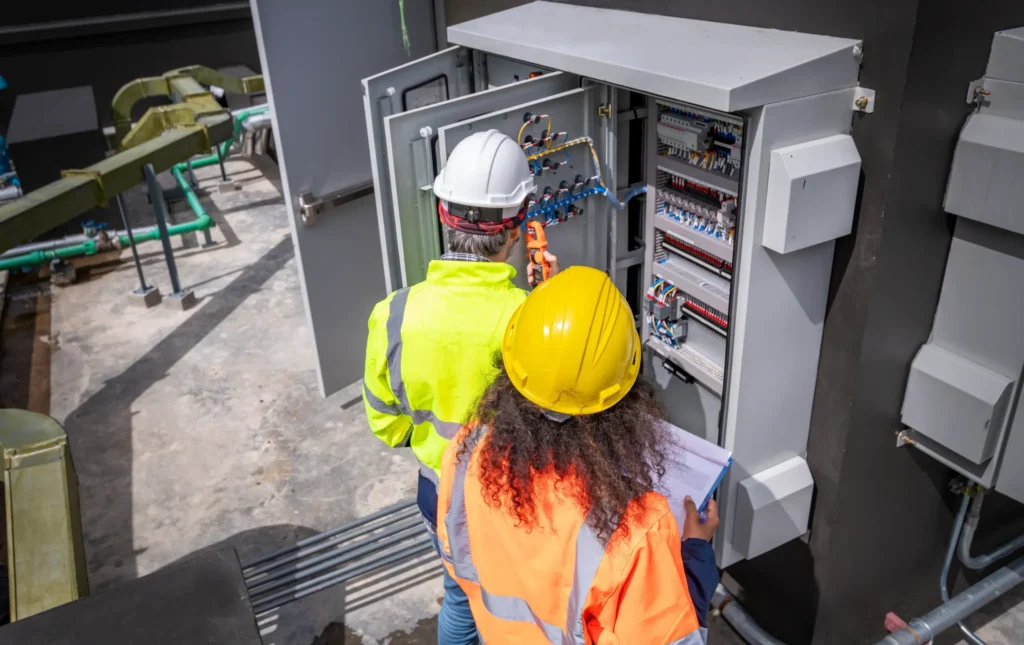
The electrical panel is the control center of the home’s electrical system. It distributes electricity to different circuits and protects the system with breakers. For many new homes, a 200-amp panel is common. Larger homes or homes with heavy electrical demand may need a bigger service.
A standard panel installation may be included in the main electrical estimate, but panel-related costs can increase if the home needs a larger service, subpanels, underground service, long utility runs, generator transfer switches, or EV charger capacity.
Common panel-related cost factors include:
- Main panel size
- Breaker type
- AFCI and GFCI breaker requirements
- Utility connection distance
- Meter base requirements
- Subpanel installation
- Garage or workshop electrical needs
- Future solar or battery storage readiness
- EV charger readiness
Homeowners should discuss future electrical needs before finalizing the panel size. It is often cheaper to plan extra capacity during construction than to upgrade the panel after the house is finished.
Labor Cost for New House Electrical Wiring
Labor can make up a large part of the electrical wiring budget. Electricians are skilled tradespeople, and their work must meet safety standards and pass inspection. Labor cost depends on the state, city, licensing level, job complexity, crew size, union market, and project schedule.
In high-cost states such as California, New York, Massachusetts, New Jersey, and Washington, labor can be a major reason for higher electrical bids. In more affordable markets such as Tennessee, Ohio, Georgia, or parts of North Carolina, labor may be lower, but prices still depend on local demand and contractor availability.
A rushed schedule may also increase costs. If the electrical contractor has to work around delays, coordinate with multiple trades, or speed up the job to meet a deadline, the labor cost may rise.
Material Cost for New House Wiring
Materials used in new house wiring include electrical wire, boxes, conduit, breakers, panels, outlets, switches, connectors, fasteners, grounding materials, light fixture boxes, weatherproof covers, and specialty devices. Copper wire is one of the main material costs, and price changes can affect the total estimate.
Basic outlets and switches are cheaper than designer devices, smart switches, dimmers, USB outlets, weather-resistant outlets, tamper-resistant outlets, and heavy-duty appliance outlets. Similarly, a basic lighting package costs less than a custom lighting plan with recessed lights, chandeliers, under-cabinet lights, exterior lights, and landscape lights.
For accurate budgeting, homeowners should decide early whether they want standard fixtures or upgraded finishes. Changing fixtures after the estimate can increase the final cost.
Room-by-Room Electrical Wiring Considerations
Every room has different electrical needs. A bedroom may need basic outlets, a ceiling light, a smoke detector, and a switch. A kitchen needs more circuits, more outlets, and higher safety requirements. A garage may need outlets for tools, freezers, openers, EV chargers, or workshop equipment.
Kitchen
The kitchen is usually one of the most expensive rooms to wire. It may need dedicated circuits for the refrigerator, microwave, dishwasher, garbage disposal, electric range, wall oven, cooktop, and countertop outlets. Many homeowners also add pendant lights, recessed lights, under-cabinet lights, and island outlets.
Bathrooms
Bathrooms need GFCI-protected outlets, lighting, exhaust fan wiring, vanity lighting, and sometimes heated floor circuits. Larger bathrooms with towel warmers, whirlpool tubs, or smart mirrors may cost more.
Bedrooms
Bedrooms usually require standard outlets, lighting, switches, smoke detectors, and sometimes ceiling fan wiring. Home offices or gaming rooms may need additional outlets, data wiring, or dedicated circuits.
Living Room
Living rooms may need multiple outlets, lighting zones, media wiring, ceiling fan wiring, speaker wiring, and smart switch locations. Open-concept living areas can require more lighting planning.
Garage
Garages may need outlets, lighting, garage door opener wiring, freezer outlets, workshop circuits, EV charger wiring, and exterior lighting. Detached garages may cost more because power must be run from the main house or utility source.
Outdoor Areas
Outdoor wiring may include porch lights, patio outlets, landscape lighting, pool equipment, security cameras, gate openers, and weatherproof receptacles. Outdoor circuits require proper protection and weather-rated materials.
Common Electrical Upgrades That Increase Cost
A basic wiring package may be enough for a simple home, but many homeowners add upgrades during construction. These upgrades improve comfort, safety, and future value, but they also increase the electrical budget.
Common upgrades include:
- EV charger wiring
- 400-amp electrical service
- Generator transfer switch
- Solar-ready panel planning
- Battery backup readiness
- Smart lighting controls
- Whole-home surge protection
- Recessed LED lighting
- Under-cabinet kitchen lighting
- Security camera wiring
- Data and Ethernet wiring
- Smart thermostat wiring
- Outdoor living area wiring
- Pool or hot tub circuits
- Detached garage or workshop subpanel
If you plan to add these features later, tell your electrician during the design stage. Pre-wiring during construction is usually cheaper than opening walls after the home is complete.
Permit and Inspection Costs
Electrical permits and inspections are part of the cost of building a safe and legal home. Permit fees are different in every city and county. Some areas charge a flat fee for residential electrical work. Others base the fee on square footage, project valuation, number of circuits, service size, or inspection type.
Permits may feel like an extra expense, but they protect the homeowner, builder, and future occupants. An inspected electrical system is also important for insurance, resale, and code compliance. Skipping permits can lead to failed inspections, project delays, fines, or expensive corrections.
Before construction starts, check with the local building department or ask your general contractor which electrical permits are required.
How to Estimate Electrical Wiring Cost More Accurately
A square-foot estimate is useful in the early stage, but it is not enough for final bidding. To estimate electrical wiring cost accurately, you need a detailed review of the plans.
A proper electrical estimate should include:
- House size and floor plan
- Number of rooms
- Number of outlets
- Number of switches
- Lighting fixture count
- Recessed light count
- Appliance circuits
- HVAC electrical needs
- Panel size
- Service type
- Garage and outdoor circuits
- Low-voltage systems
- Smart home features
- Local labor rate
- Permit and inspection costs
- Material quantities
- Waste allowance
- Contractor overhead and profit
This is where electrical estimating becomes important. Builders, contractors, and homeowners need clear quantities before they can control the budget. A missing circuit, outlet, fixture, or panel detail can change the final bid.
How to Reduce Electrical Wiring Cost Without Cutting Safety
Electrical work is not the place to choose unsafe shortcuts. However, there are smart ways to control cost without reducing quality.
First, finalize your electrical plan before work begins. Late changes are expensive because they can require extra labor, new materials, and schedule adjustments. Second, choose a practical lighting plan. Recessed lights look modern, but too many can increase both material and labor costs. Third, add outlets where they are useful, but avoid overloading the plan with unnecessary extras. Fourth, discuss future upgrades early. Pre-wiring for an EV charger, office, or outdoor kitchen may cost less during construction than after drywall.
You can also compare estimates from licensed electricians. Make sure each quote includes the same scope of work. A low bid may not include fixtures, permits, panel upgrades, smart home wiring, or final trim-out.
Mistakes to Avoid When Budgeting Electrical Wiring
Many homeowners underestimate electrical costs because they only think about wires and outlets. In reality, electrical work includes planning, rough-in, panels, breakers, grounding, switches, fixtures, inspections, permits, labor coordination, and final testing.
Avoid these common mistakes:
- Using only a national average without checking local labor rates
- Forgetting permit and inspection fees
- Not planning enough outlets
- Ignoring future EV charger needs
- Choosing lighting after rough-in is complete
- Forgetting outdoor outlets and lighting
- Not including smart home or low-voltage wiring
- Assuming fixtures are included in every bid
- Comparing electrical quotes with different scopes
- Not reviewing the panel size before construction
A clear electrical plan helps prevent change orders, delays, and budget surprises.
Frequently Asked Questions
How much does it cost to wire a new house in 2026?
In 2026, wiring a new house usually costs around $4 to $9 per square foot. For a 1,500 to 2,500 sq. ft. home, the total cost may range from about $6,000 to $22,500, depending on location, labor, materials, panel size, and project scope.
How much does it cost to wire a 2,000 sq. ft. house?
A 2,000 sq. ft. new house may cost around $8,000 to $18,000 for electrical wiring, based on the common $4 to $9 per square foot pricing range. Custom lighting, EV charger wiring, smart systems, and higher local labor rates can increase the total.
Is electrical wiring more expensive in California and New York?
Yes, electrical wiring can be more expensive in California and New York because labor rates, permit rules, construction demand, and local code requirements are often higher than in many other states.
Does new construction wiring include light fixtures?
Not always. Some estimates include basic fixture installation, while others only include wiring, boxes, outlets, switches, and panel work. Always ask whether fixtures, recessed lights, dimmers, fans, and specialty devices are included.
Is a 200-amp panel enough for a new house?
A 200-amp panel is common for many modern homes, but larger homes or all-electric homes may need more capacity. Homes with EV chargers, electric heat, pools, workshops, or future solar plans may need a larger service or subpanel.
Why do electrical estimates vary so much?
Electrical estimates vary because each home has a different layout, number of circuits, fixture plan, panel size, local labor rate, permit requirement, and upgrade level. A basic home and a luxury smart home can have very different electrical costs even if they have the same square footage.
Final Thoughts
The cost to wire a new house in 2026 usually starts with a national planning range of $4 to $9 per square foot, but the final price depends on far more than square footage. Home size, layout, state labor rates, electrical panel size, kitchen circuits, lighting design, permits, inspections, and smart home upgrades all affect the total. A homeowner in Texas, Florida, or Georgia may see a different price than someone building in California, New York, New Jersey, Massachusetts, or Washington. The safest approach is to start with a square-foot estimate, then move to a detailed electrical takeoff before finalizing the budget.
If you are a contractor, builder, architect, or homeowner and need a more accurate electrical wiring estimate for a new house, Perfect Estimator can help you prepare detailed electrical takeoffs and cost estimates based on your project drawings, quantities, materials, and location-specific requirements, so you can bid smarter and avoid costly surprises.