Plumbing is one of the most critical and cost-intensive components of any new construction project. Whether you are building a single-family home, a multi-unit apartment complex, or a commercial facility, understanding how to estimate plumbing costs accurately is essential for staying within budget and submitting competitive bids. In 2026, with material prices continuing to shift and labor rates varying widely across the country, getting your plumbing estimate right from the start can mean the difference between a profitable project and a costly overrun.
This comprehensive guide will walk you through every aspect of estimating plumbing costs for new construction. You will learn about the key cost components, how pricing varies by state, what factors drive costs up or down, and how professional estimators approach plumbing takeoffs. By the end of this article, you will have a solid framework for calculating plumbing costs whether you are a general contractor, subcontractor, developer, or property owner.
1. What Does New Construction Plumbing Include?
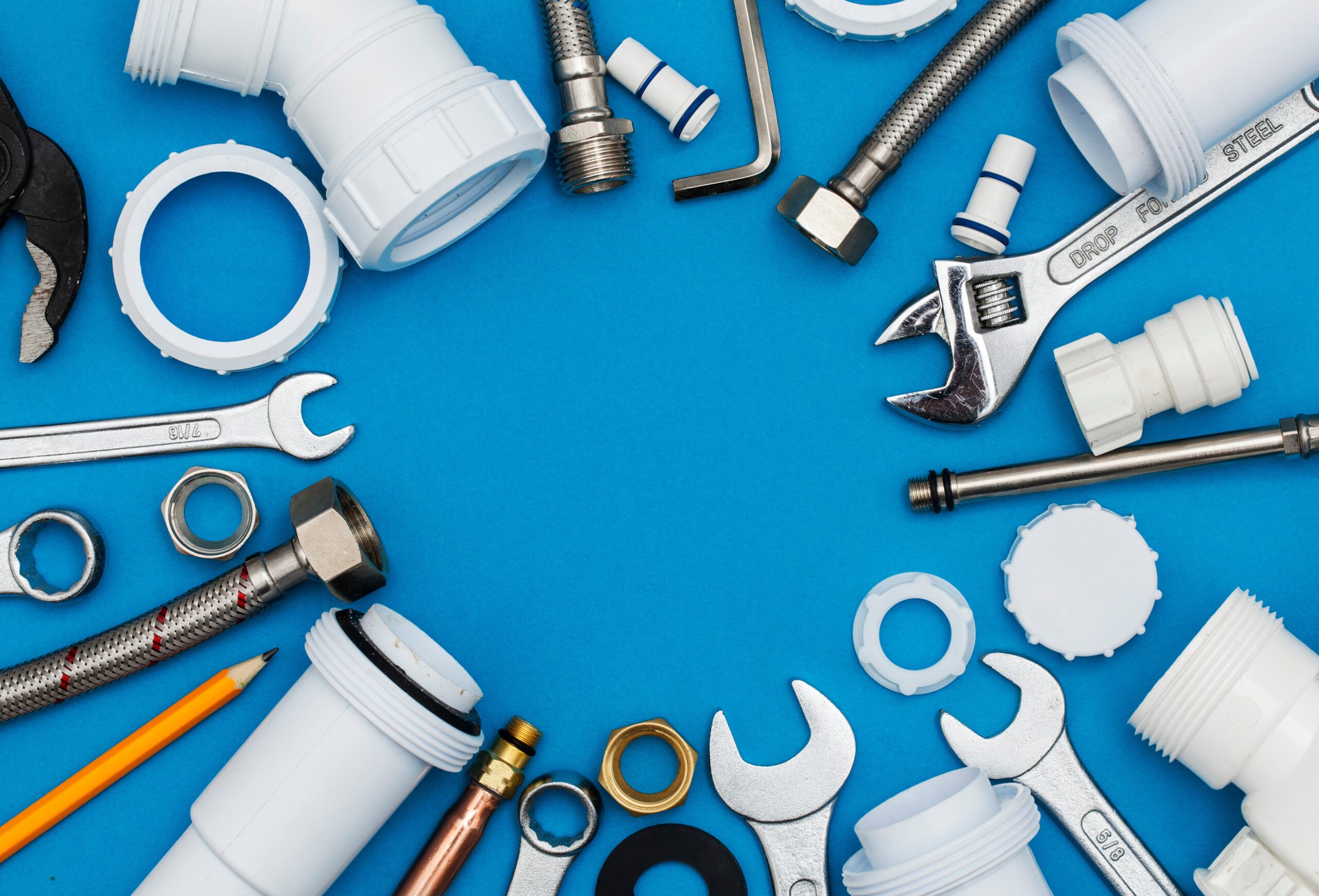
Before you can estimate plumbing costs, you need to understand exactly what new construction plumbing covers. Unlike renovation plumbing, which deals with existing systems, new construction plumbing involves installing a complete plumbing system from scratch. This includes three primary subsystems:
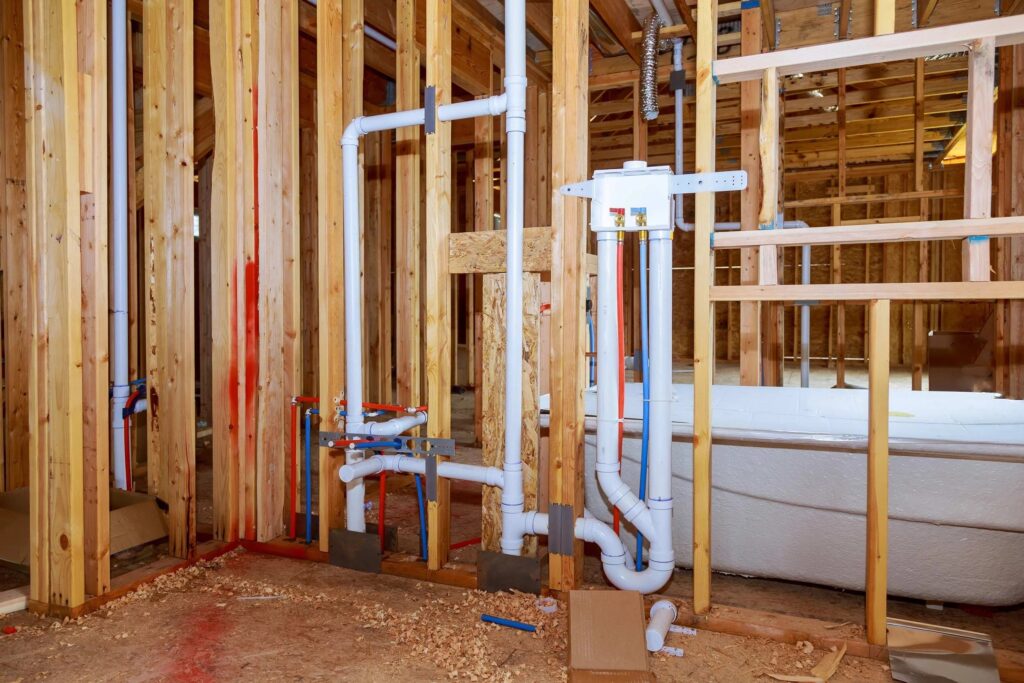
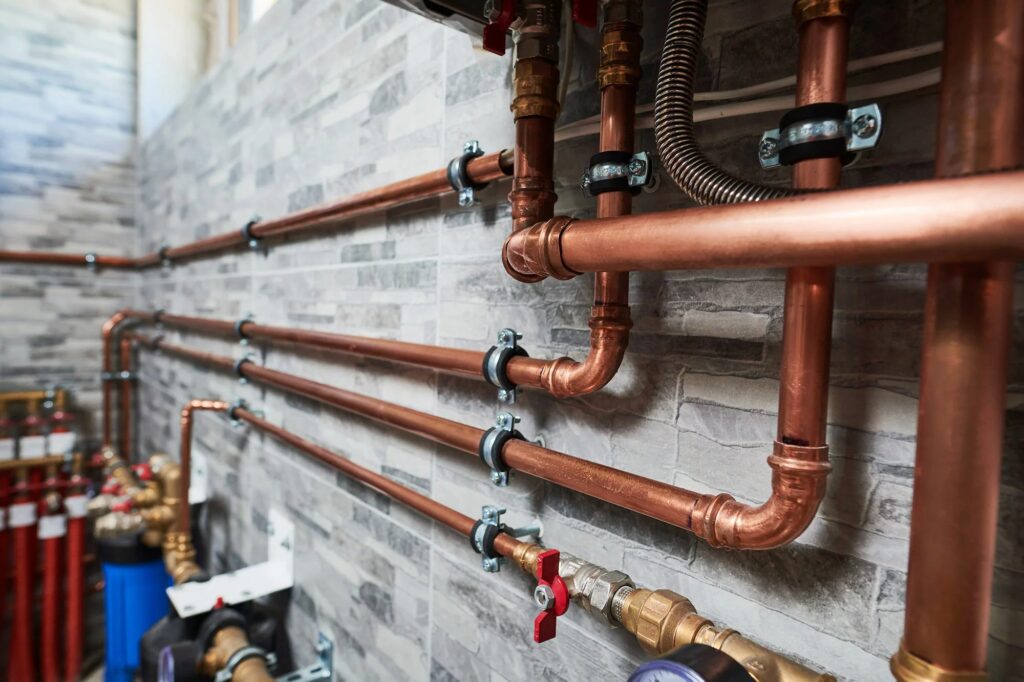
Water Supply System: This subsystem delivers fresh, pressurized water from the municipal main or private well to every fixture in the building. It includes copper, PEX, or CPVC supply lines, shutoff valves, pressure regulators, and water meters.
Drain Waste Vent (DWV) System: The DWV system removes wastewater and sewage from the building. It includes drain pipes, waste pipes, vent stacks, cleanouts, and the connection to the municipal sewer or septic system. PVC and ABS are the most commonly used materials.
Fixture and Appliance Connections: This covers the final connections to all plumbing fixtures, including toilets, sinks, bathtubs, showers, dishwashers, washing machines, water heaters, and any specialty systems such as outdoor hose bibs or irrigation lines.
In addition to these core systems, new construction plumbing estimates often include rough-in plumbing, top-out plumbing, and trim-out plumbing — three distinct phases that happen at different stages of the construction process. Understanding these phases is crucial to accurate cost estimation.
2. The Three Phases of New Construction Plumbing
Phase 1: Rough-In Plumbing
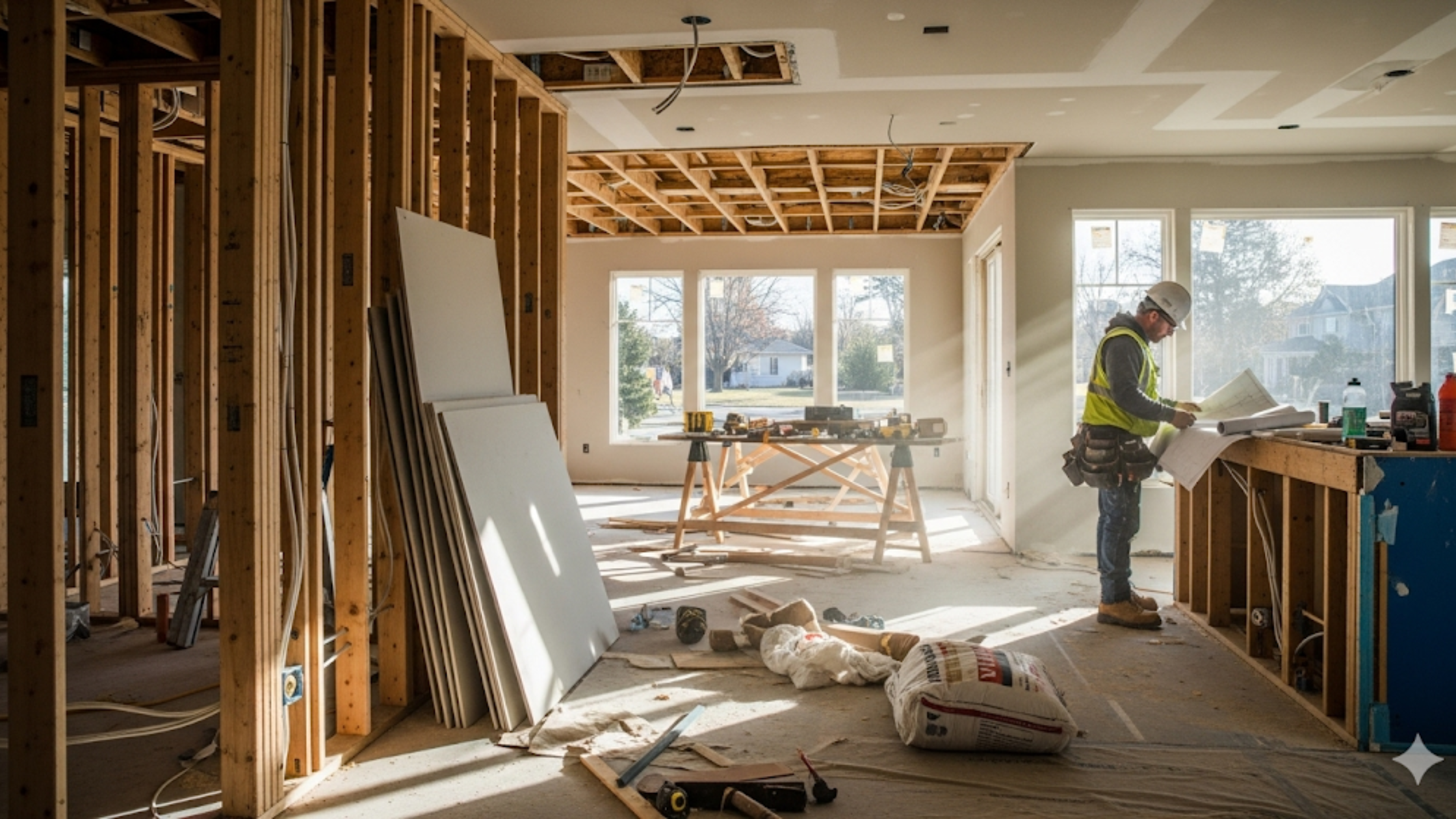
Rough-in plumbing is the first and most labor-intensive phase. It takes place after the foundation is poured and the framing is complete but before the walls are closed. During rough-in, plumbers install all the supply and drain pipes inside the walls, floors, and ceilings. They also set the locations for all future fixtures by placing stub-outs and pipe openings at the correct positions.
Rough-in plumbing typically represents 40 to 50 percent of the total plumbing cost because it involves the most pipe running, drilling through framing members, and coordination with other trades. Errors made at this phase are the most expensive to correct because they require opening up finished walls later.
Phase 2: Top-Out Plumbing (Above Slab or Above Ground)
Top-out plumbing refers to extending the pipe work up through the roof for vent stacks and completing all the above-slab piping. This phase connects the rough-in work to the exterior of the building, ensuring that the DWV system vents properly to the atmosphere. Proper venting prevents sewer gases from entering the building and ensures drains flow freely.
Phase 3: Trim-Out or Finish Plumbing
Trim-out plumbing happens near the end of construction when the walls are painted and cabinets are installed. Plumbers return to connect fixtures, install toilets, hook up faucets, mount water heaters, and make all final connections. This phase is less labor-intensive than rough-in but involves a wider variety of tasks. Material costs for trim-out are often higher per hour of labor because fixtures and appliances themselves carry significant price tags.
3. Average Plumbing Costs for New Construction in 2026
Understanding the average plumbing cost for new construction helps you benchmark your estimate before getting into project-specific details. Here are the general cost ranges you can expect in 2026 based on building type and size:
| Building Type | Avg. Plumbing Cost | Cost per Sq Ft | # of Fixtures |
|---|---|---|---|
| Single-Family Home (1,500 sq ft) | $8,000 – $15,000 | $5 – $10 | 8 – 12 |
| Single-Family Home (2,500 sq ft) | $12,000 – $22,000 | $5 – $9 | 12 – 18 |
| Luxury Home (4,000+ sq ft) | $20,000 – $45,000 | $5 – $11 | 18 – 30 |
| Duplex / Townhouse | $14,000 – $28,000 | $5 – $9 | 14 – 22 |
| Multi-Family (10 units) | $60,000 – $120,000 | $4 – $8 | 60 – 100 |
| Small Commercial (5,000 sq ft) | $25,000 – $60,000 | $5 – $12 | 20 – 40 |
| Large Commercial (20,000 sq ft) | $90,000 – $200,000+ | $5 – $10 | 80+ |
These figures are national averages and will vary significantly based on location, material choices, labor market conditions, and project complexity. The sections that follow break down each cost driver in detail.
4. Key Cost Components in a Plumbing Estimate
4.1 Plumbing Labor Costs
Labor is typically the largest single cost in a new construction plumbing estimate, accounting for 40 to 60 percent of the total. Plumbing labor costs vary significantly based on the region, the complexity of the project, and the experience level of the plumbers involved.
In 2026, the average plumbing labor cost per hour ranges from $45 to $200 depending on the state and market. Journeyman plumbers typically charge $65 to $120 per hour, while master plumbers command $100 to $200 per hour. Apprentice plumbers are less expensive at $35 to $65 per hour but require supervision.
For new construction projects, plumbing labor is often bid on a per-fixture or per-unit basis rather than an hourly rate. Common labor cost benchmarks include:
- Per bathroom rough-in (full bath): $800 – $2,500
- Per bathroom trim-out (full bath): $600 – $1,800
- Kitchen plumbing rough-in: $500 – $1,500
- Laundry room rough-in: $300 – $800
- Water heater installation (gas or electric): $400 – $1,200
- Whole-house PEX manifold system: $800 – $2,000
4.2 Plumbing Material Costs
Material costs make up 30 to 50 percent of a new construction plumbing budget. The choice of pipe material has one of the largest impacts on material costs. Here is a comparison of the most commonly used pipe materials in 2026:
| Pipe Material | Cost per Linear Foot | Best Use | Durability |
|---|---|---|---|
| PEX (Cross-linked Polyethylene) | $0.30 – $1.50 | Supply lines | 25 – 40 years |
| PVC (Polyvinyl Chloride) | $0.25 – $1.20 | DWV / drain lines | 25 – 40 years |
| CPVC | $0.50 – $2.00 | Hot & cold supply | 50+ years |
| Copper | $2.50 – $10.00 | Supply lines | 50 – 70 years |
| ABS (Acrylonitrile Butadiene) | $0.50 – $1.80 | DWV lines | 25 – 40 years |
| Galvanized Steel | $3.00 – $8.00 | Water supply (older) | 20 – 50 years |
PEX has become the dominant choice for new residential construction in 2026 due to its low cost, flexibility, freeze resistance, and ease of installation. It can reduce labor time by 30 to 40 percent compared to copper, which further lowers total project costs.
4.3 Fixture Costs
Plumbing fixtures represent a separate but significant line item. Fixture costs vary enormously depending on the quality level selected. Here are average installed costs (including labor) for common fixtures in 2026:
- Standard toilet: $300 – $600 installed
- Dual-flush or smart toilet: $500 – $2,500 installed
- Pedestal or undermount sink: $250 – $600 installed
- Bathtub (standard alcove): $400 – $1,200 installed
- Freestanding soaking tub: $1,500 – $5,000+ installed
- Walk-in shower (tiled): $2,000 – $6,000 installed
- Kitchen sink (double-basin stainless): $350 – $800 installed
- Dishwasher connection: $150 – $400
- Tankless water heater (gas): $1,500 – $3,500 installed
- Traditional water heater (50 gal): $900 – $1,800 installed
- Outdoor hose bib: $150 – $350 each
4.4 Permit and Inspection Fees
Plumbing permits are required for new construction in virtually every jurisdiction in the United States. Permit fees are set by local authorities having jurisdiction (AHJ) and can vary widely. In most states, plumbing permits for new residential construction cost between $150 and $800. Commercial plumbing permits are higher, often ranging from $500 to $3,000 or more depending on the scope of work.
Permit fees should always be included in your plumbing estimate. Failing to account for permits not only leads to cost overruns but can also result in legal issues, failed inspections, and difficulty selling the property in the future.
4.5 Overhead and Contractor Markup
Most plumbing contractors apply overhead and profit margins on top of direct costs. Industry-standard markups for plumbing subcontractors range from 15 to 25 percent on materials and labor. General contractors may add an additional 10 to 15 percent markup when managing a plumbing subcontractor as part of a larger project scope. When preparing your budget, it is important to determine whether the plumbing estimate you receive includes or excludes these markups.
5. Plumbing Costs by State: A Detailed Regional Breakdown for 2026
One of the most important variables in plumbing cost estimation is geography. Labor markets, material supply chains, building code requirements, and permit fees all differ significantly from state to state. Below is a detailed breakdown of average new construction plumbing costs in key states across the country.
California
California consistently ranks as one of the most expensive states for construction plumbing. High labor costs driven by prevailing wage laws, strong union presence, and a high cost of living push plumbing rates significantly above the national average. Licensed plumbers in California earn $85 to $180 per hour on the open market, with union rates even higher on public projects.
Average plumbing cost for a 2,000 sq ft new home in California: $18,000 – $35,000. In cities like San Francisco, Los Angeles, and San Diego, costs can push toward the higher end or exceed this range due to additional local surcharges and permit requirements. California also enforces strict water efficiency standards under the CALGreen building code, which requires low-flow fixtures and may add to material costs.
New York
New York is another high-cost state for plumbing. New York City in particular has among the highest plumbing labor rates in the country, with master plumbers charging $150 to $200+ per hour in Manhattan and the boroughs. The city also has unique licensing requirements, including the NYC Master Plumber license, which restricts who can pull permits and perform work.
Average plumbing cost for a 2,000 sq ft new home in New York State: $16,000 – $32,000 outside NYC; $25,000 – $50,000+ within New York City. Upstate New York communities like Buffalo, Albany, and Syracuse have significantly lower labor rates, bringing costs closer to the national average.
Texas
Texas is generally a mid-range state for plumbing costs. There is no state income tax, which helps keep operating costs lower for contractors, and material prices are competitive due to active supply chains serving the booming construction market. Houston, Dallas, Austin, and San Antonio all have strong plumbing labor markets with rates ranging from $60 to $120 per hour.
Average plumbing cost for a 2,000 sq ft new home in Texas: $10,000 – $20,000. Texas saw significant demand increases in 2021 following Winter Storm Uri, which caused widespread frozen pipe damage, leading to a lasting increase in demand for PEX piping and whole-home shutoff systems — both of which are now commonly specified in new Texas construction.
Florida
Florida has a dynamic construction market with high demand driven by population growth, particularly in the Tampa, Orlando, Jacksonville, and Miami metropolitan areas. Plumbing labor rates range from $55 to $110 per hour across most of Florida. The state’s warm climate eliminates concerns about frozen pipes, which influences pipe material choices and routing decisions.
Average plumbing cost for a 2,000 sq ft new home in Florida: $9,000 – $18,000. Florida’s hurricane building codes add requirements around pipe securing and flood-resistant installations, which can add modest costs to new construction plumbing in coastal zones.
Georgia
Georgia, particularly the Atlanta metro area, has experienced significant construction growth and is considered a mid-cost market for plumbing. Plumbing labor rates in Georgia range from $55 to $105 per hour. The state has straightforward permitting processes in most jurisdictions, and material costs are competitive.
Average plumbing cost for a 2,000 sq ft new home in Georgia: $8,500 – $17,000. Rural Georgia counties tend to be on the lower end of this range, while Buckhead, Midtown Atlanta, and other high-demand urban neighborhoods see premium rates.
North Carolina
North Carolina has become one of the fastest-growing construction markets in the Southeast, driven by population migration from the Northeast and tech industry growth in the Research Triangle (Raleigh-Durham-Chapel Hill). Plumbing labor rates range from $50 to $100 per hour across the state.
Average plumbing cost for a 2,000 sq ft new home in North Carolina: $8,000 – $16,500. The Charlotte and Raleigh metro areas have seen labor shortages push rates higher in recent years. North Carolina requires plumbing permits for all new construction, and inspections are enforced closely.
Colorado
Colorado is a higher-cost state for construction plumbing, particularly along the Front Range (Denver, Boulder, Fort Collins, Colorado Springs). The state’s altitude and cold winters necessitate additional insulation and freeze protection for plumbing systems, adding both material and labor costs. Plumbing labor rates range from $70 to $140 per hour.
Average plumbing cost for a 2,000 sq ft new home in Colorado: $12,000 – $25,000. Mountain communities like Aspen, Telluride, and Vail carry premium pricing due to remote logistics, extreme cold, and a limited local labor pool.
Washington State
Washington State, especially the greater Seattle metro area, has high plumbing costs driven by a strong economy, high wages, and significant construction activity. Plumbing labor rates range from $75 to $150 per hour in the Puget Sound region. The state enforces rigorous energy and water efficiency codes, which influence fixture specifications.
Average plumbing cost for a 2,000 sq ft new home in Washington: $14,000 – $28,000. Eastern Washington (Spokane region) has lower costs than the western side of the Cascades, with rates closer to the $12,000 – $20,000 range.
Arizona
Arizona is a mid-cost to lower-cost state for new construction plumbing. The Phoenix and Tucson markets are active and competitive, with plumbing labor rates ranging from $55 to $105 per hour. The desert climate means no freeze concerns, which simplifies routing and reduces insulation requirements. However, hot water delivery distances in large homes can increase pipe lengths and material costs.
Average plumbing cost for a 2,000 sq ft new home in Arizona: $8,000 – $15,500. Arizona also has relatively streamlined permit processes in many municipalities, which reduces administrative overhead.
New Jersey
New Jersey is one of the higher-cost states for construction plumbing, largely due to its proximity to the New York metro area and strong union presence. Plumbing labor rates range from $80 to $160 per hour. New Jersey has detailed plumbing code requirements and active inspection processes, which must be carefully accounted for in any estimate.
Average plumbing cost for a 2,000 sq ft new home in New Jersey: $15,000 – $30,000. Northern New Jersey counties close to New York City (Bergen, Hudson, Essex) tend to be at the higher end of this range.
6. How to Estimate Plumbing Costs Step by Step
Now that you understand the components and regional variables, here is a professional step-by-step process for estimating plumbing costs on a new construction project.
Step 1: Review the Construction Drawings
Begin by thoroughly reviewing the architectural plans, plumbing plans, and mechanical plans for the project. Identify the location of all bathrooms, kitchens, laundry rooms, utility spaces, and mechanical rooms. Note the number and type of fixtures in each area. If plumbing plans are not provided, you will need to coordinate with the architect or use fixture counts from the architectural drawings.
Key items to identify from the drawings include: the building footprint and number of stories, the location of the water meter and main shutoff, the sewer connection point or septic system location, all fixture locations, water heater size and fuel type, and any specialty systems like wet bars, outdoor kitchens, or irrigation.
Step 2: Perform a Plumbing Quantity Takeoff
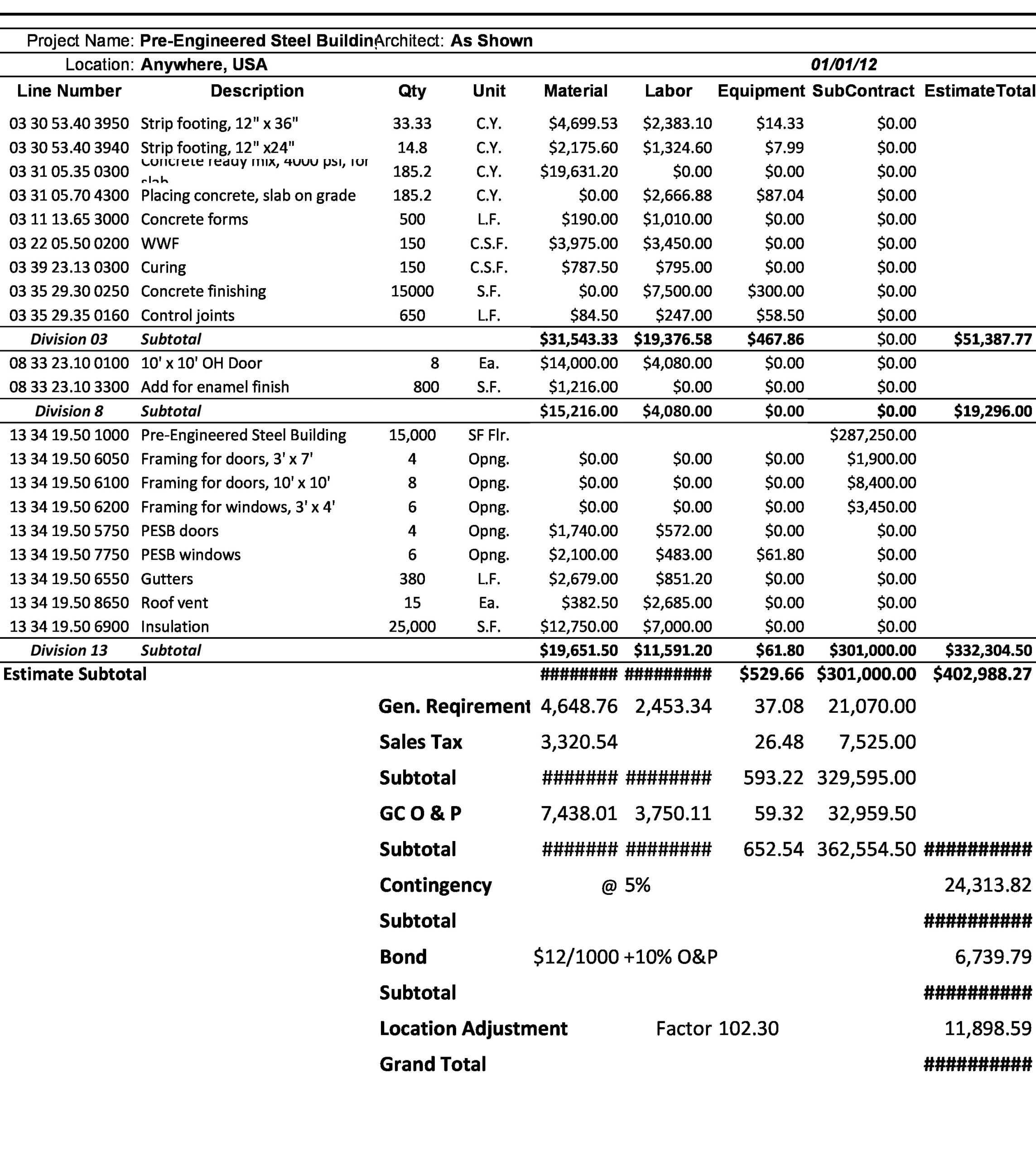
A quantity takeoff (QTO) is the process of measuring and listing all the materials needed for the plumbing system. For plumbing, this includes measuring the linear footage of each pipe size and type, counting the number of each fitting, valve, and connection, and listing all fixtures and appliances by model and specification.
Professional estimators use software tools such as PlanSwift, Bluebeam Revu, or On-Screen Takeoff to measure pipe runs directly from digital plans. Manual takeoffs using scaled paper drawings are still used but are slower and more prone to errors. A thorough quantity takeoff is the foundation of an accurate plumbing estimate — any errors at this stage will compound through the entire calculation.
Step 3: Calculate Material Costs
Once you have your quantities, apply current material pricing to each line item. Use pricing from your local supplier quotes, recent purchase history, or industry pricing databases such as RSMeans. Be sure to account for pipe fittings, hangers, strapping, caulking, and miscellaneous consumables, which are often overlooked but can add 10 to 15 percent to pipe material costs.
Add a material waste factor of 5 to 10 percent to account for cutting waste, damaged materials, and field adjustments. For projects with complex layouts or unusual configurations, a higher waste factor of 10 to 15 percent may be appropriate.
Step 4: Calculate Labor Hours and Costs
Estimate the number of labor hours required for each phase of the work. Use your historical production rates, industry standards, or published labor productivity data. Key production benchmarks include:
- PEX supply line installation: 30 – 60 linear feet per hour
- PVC drain line installation: 20 – 40 linear feet per hour
- Copper pipe installation: 10 – 20 linear feet per hour
- Toilet rough-in and trim: 2 – 4 hours total
- Full bathroom rough-in (all fixtures): 6 – 14 hours
- Water heater installation: 3 – 6 hours
Multiply labor hours by your applicable labor rate. Add labor burden (payroll taxes, insurance, benefits) which typically adds 25 to 40 percent on top of the base wage rate when calculating true labor cost.
Step 5: Add Permits, Overhead, and Profit
Add the estimated permit fee for your jurisdiction. Contact the local building department if you are unsure of the fee structure, as many jurisdictions now publish fee schedules online. Then apply your overhead rate (typically 10 to 20 percent of direct costs) and profit margin (typically 8 to 15 percent for plumbing subcontractors).
Step 6: Review and Validate the Estimate
Before submitting an estimate, do a sanity check using your cost-per-square-foot benchmark. Divide your total plumbing estimate by the gross square footage of the building. If the result falls within the expected range for your region and building type, your estimate is likely reasonable. If it falls significantly outside the range, review your takeoff and calculations to identify any errors or omissions.
Also compare your fixture count against the drawings one more time to make sure nothing has been missed. Missing a bathroom from the estimate is one of the most common and costly plumbing estimating mistakes.
7. Factors That Increase or Decrease Plumbing Costs
Factors That Increase Cost
- Multi-story construction: Vertical pipe runs are more expensive to install and require longer material lengths.
- High-end fixtures: Luxury bathrooms with freestanding tubs, body sprays, and smart plumbing fixtures add significant cost.
- Complex layouts: Non-rectangular floor plans, basement plumbing, and below-slab drain lines increase complexity.
- Rocky or difficult soil: Installing underground sewer lines in hard soil or rock increases excavation costs.
- Copper piping specification: If copper is required by the owner or local code, expect material costs to be 3 to 6 times higher than PEX.
- Remote locations: Projects in rural or mountain areas incur higher labor costs due to travel time and limited contractor competition.
- Tight project schedules: Rush work or overtime labor adds significant cost premium.
- Green building certifications: LEED or other certifications may require specific fixture ratings and water metering, adding cost.
Factors That Decrease Cost
- PEX piping: Using PEX instead of copper can reduce material and labor costs by 20 to 40 percent.
- Simple, rectangular floor plans: Straightforward layouts minimize pipe runs and labor time.
- Stacking bathrooms: Placing bathrooms directly above each other on multi-story buildings shortens vertical runs dramatically.
- Pre-fabricated assemblies: Using pre-assembled manifold systems reduces field labor time.
- Volume work: Large multi-family or commercial projects achieve economies of scale that reduce per-unit plumbing costs.
- Competitive bidding: Getting three or more competitive bids from licensed plumbing contractors helps ensure market pricing.
8. Common Plumbing Estimating Mistakes to Avoid
Even experienced estimators can make costly mistakes when estimating plumbing for new construction. Here are the most common errors and how to avoid them:
Underestimating fixture counts: Always count fixtures directly from the drawings rather than estimating from room counts. A master bathroom with two sinks, a soaking tub, and a separate shower counts as four fixtures, not one.
Ignoring permit and inspection fees: These are fixed costs that must be included. In high-cost jurisdictions, permits can add $1,000 to $3,000 to a residential project.
Using outdated pricing: Material costs for copper, PEX, and PVC have fluctuated significantly over the past few years. Always get current supplier quotes rather than relying on pricing from six or more months ago.
Forgetting the water service line: The line from the street to the house is often estimated separately from the building plumbing but must be included in the overall budget. This line can cost $1,500 to $5,000 or more depending on the distance and conditions.
Not accounting for gas plumbing: If the project includes natural gas appliances (water heaters, ranges, dryers, fireplaces), gas line installation must be estimated separately. Gas plumbing costs for a new home typically range from $1,500 to $5,000.
Missing the sewer connection: The cost to connect to the municipal sewer or install a septic system is a major line item that is sometimes omitted from initial estimates. Municipal sewer connection fees alone can range from $1,000 to $10,000+ depending on the jurisdiction.
9. Plumbing Cost Estimation for Different Project Types
Residential New Construction
For single-family homes, the fixture count and building size are the primary cost drivers. A good rule of thumb is to estimate $3,500 to $5,500 per bathroom for rough-in and trim-out combined (using mid-grade fixtures and PEX supply piping). For a three-bedroom, two-bathroom home, this gives you a rough plumbing cost of $7,000 to $11,000 before water heater, gas lines, and exterior connections.
Always add the water heater ($900 to $3,500 installed), any gas line work ($1,500 to $5,000), the water service from the street ($1,500 to $4,000), and the sewer connection ($1,500 to $6,000) as separate line items to arrive at a complete plumbing budget.
Multi-Family Construction
Multi-family construction benefits from economies of scale and repetitive layouts. Per-unit plumbing costs for apartment buildings typically range from $4,000 to $9,000 per unit depending on unit size, bathroom count, and building height. High-rise construction is more expensive due to vertical pipe runs, seismic bracing requirements, and more complex fire suppression coordination.
In multi-family projects, the plumbing contractor often bids per unit rather than per building. Estimators should verify whether the bid includes common area plumbing (laundry rooms, clubhouse kitchens, pool bathrooms) or if these are priced separately.
Commercial New Construction
Commercial plumbing estimating is significantly more complex than residential. Commercial buildings often have more stringent code requirements, larger pipe sizes, grease traps (for food service), specialized medical gas systems (for healthcare), backflow preventers, and more complex water supply and fire suppression coordination.
For light commercial construction (offices, retail spaces), budget $6 to $12 per square foot for plumbing. For food service establishments, healthcare facilities, or industrial buildings, costs can range from $12 to $30 per square foot or higher due to specialty systems and heavy fixture loads.
10. How Professional Estimators Approach Plumbing Takeoffs
Professional construction estimators who specialize in plumbing takeoffs bring a combination of field experience, software proficiency, and up-to-date market knowledge that dramatically reduces estimating errors and improves bid accuracy. Here is how professionals approach a plumbing estimate:
Digital Takeoff Software: Tools like PlanSwift, Bluebeam, and On-Screen Takeoff allow estimators to measure pipe runs directly from PDF plans with a high degree of precision. Digital takeoffs are faster, more accurate, and produce a clear audit trail of all measurements.
RSMeans and Regional Cost Data: Professional estimators use cost databases like RSMeans City Cost Index to apply regionally adjusted pricing. This accounts for local labor rates, material costs, and productivity factors specific to each market.
Historical Project Data: Experienced estimators maintain records of actual costs from past projects. This historical data provides benchmarks that help validate new estimates and catch anomalies before they become problems.
Subcontractor Collaboration: Many general contractor estimators work directly with plumbing subcontractors to obtain firm or budgetary quotes rather than estimating plumbing in-house. Subcontractor quotes provide the most accurate pricing but require early collaboration.
Scope of Work Clarity: Professional estimates include a detailed scope of work statement that defines exactly what is and is not included. Clear scope boundaries prevent disputes and change orders during construction.
11. Frequently Asked Questions About Plumbing Cost Estimation
Q: How much does it cost to rough-in plumbing for a new house?
Rough-in plumbing for a new single-family home typically costs $4,000 to $12,000 depending on the size of the home, number of bathrooms, pipe material, and local labor rates. This represents the labor and materials to install all pipes within the walls and floors before the walls are closed.
Q: What is the average plumbing cost per square foot for new construction?
The national average for new construction plumbing cost per square foot ranges from $4.50 to $10.00 for residential construction. Commercial plumbing typically runs $5 to $12 per square foot for standard office or retail space, and significantly higher for specialized facilities.
Q: How long does plumbing rough-in take for a new home?
A typical new home plumbing rough-in takes 3 to 7 days for a crew of two to three plumbers, depending on the size and complexity of the home. Larger homes or those with complex layouts, multiple stories, or unusual specifications can take 10 days or more.
Q: Should I use PEX or copper for new construction?
For most new residential construction, PEX is the preferred choice due to its lower cost, ease of installation, freeze resistance, and flexibility. Copper is more durable and may be preferred in certain applications, particularly for exposed or hot water supply lines in commercial settings, but its higher material and labor cost makes it less common in residential new construction.
Q: Does new construction plumbing include gas lines?
Standard plumbing estimates typically include water supply, drain waste vent systems, and fixture installation. Natural gas piping is often a separate line item. If your project includes gas appliances, be sure to clarify with your plumbing contractor whether gas line installation is included in their scope and priced accordingly.
Get Accurate Plumbing Estimates from Perfect Estimator LLC
Estimating plumbing costs for new construction is a detailed, multi-step process that requires accurate takeoffs, up-to-date material pricing, regional labor knowledge, and comprehensive scope management. Errors in plumbing estimating can lead to significant budget overruns, lost bids, or unprofitable projects. That is why contractors, developers, and project owners across the United States trust Perfect Estimator LLC for their construction estimating needs.
Perfect Estimator LLC is a professional construction estimating firm with 15+ years of experience delivering highly accurate, bid-ready plumbing estimates for residential, multi-family, and commercial new construction projects. Our certified estimators use industry-leading software including PlanSwift, Bluebeam, and RSMeans to produce detailed material takeoffs and labor cost breakdowns tailored to your specific project and location. Whether you are building in California, New York, Texas, Florida, Georgia, North Carolina, Colorado, Washington, Arizona, or New Jersey, our team understands the local labor markets, code requirements, and material pricing that affect your plumbing costs.
We deliver complete plumbing estimate packages that include itemized material quantities, labor cost breakdowns, fixture schedules, permit allowances, and competitive bid summaries — typically within 24 to 48 hours of receiving your plans. Our estimates help you win more bids, avoid costly surprises, and manage your projects with confidence.
Contact Perfect Estimator LLC today by visiting perfectestimator.com, emailing info@perfectestimator.com, or calling +1 (212) 987-8789. Upload your construction drawings and receive a detailed plumbing estimate that gives you the competitive edge you need in today’s construction market. New clients receive 30% off their first estimate — get in touch today and see why contractors across the USA choose Perfect Estimator LLC for all their construction estimating needs.