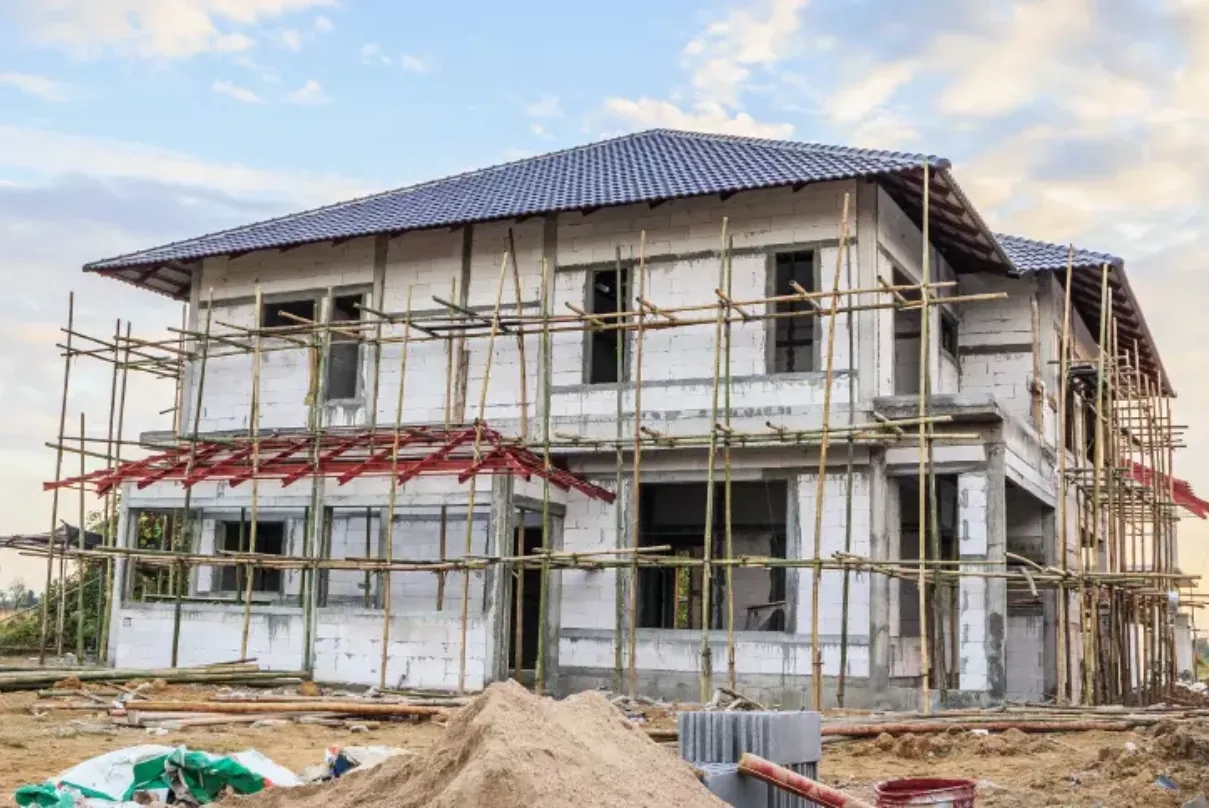
Building a house is one of the most significant financial decisions most people will ever make. Whether you are a first-time homeowner, a seasoned real estate investor, or a general contractor planning a residential project, understanding the true cost to build a house in 2026 is critical before breaking ground.
In 2026, the average cost to build a new home in the United States ranges from $150 to $500 per square foot, depending on location, materials, design complexity, and labor rates. For a standard 2,000-square-foot home, you can expect to pay anywhere from $300,000 to $1,000,000 or more. However, these numbers vary dramatically from state to state.
This complete breakdown covers everything you need to know — from foundation to roof, from permits to landscaping, and from affordable states to premium construction markets. We also include a state-by-state cost comparison, a detailed cost category analysis, and practical tips for staying within your residential construction budget.
Table of Contents
- National Average Cost to Build a House in 2026
- Cost to Build a House Per Square Foot
- Home Construction Cost Breakdown by Category
- Cost to Build a House by State (2026)
- Factors That Affect New Home Construction Costs
- Custom Home vs. Production Home: Cost Differences
- Hidden Costs When Building a House
- How to Save Money on Home Construction
- Construction Timeline and Its Effect on Cost
- Frequently Asked Questions
- Work With a Professional Estimator
1. National Average Cost to Build a House in 2026
According to industry data and construction cost surveys, the national average cost to build a new single-family home in 2026 sits at approximately $329,000 for a standard home, excluding land. When land purchase is factored in, the total new home cost estimate rises to between $500,000 and $800,000 in most suburban and urban markets.
These averages, however, reflect a wide spectrum. A modest 1,200-square-foot starter home in a rural area of the Midwest might cost as little as $180,000 to build, while a luxury 4,500-square-foot custom home in coastal California or New York could exceed $2.5 million.
Here is a quick reference table for the national average cost to build a house in 2026:
| Home Size (sq ft) | Low-End Cost | Mid-Range Cost | High-End Cost |
| 1,000 sq ft | $130,000 | $200,000 | $350,000 |
| 1,500 sq ft | $195,000 | $315,000 | $525,000 |
| 2,000 sq ft | $260,000 | $420,000 | $700,000 |
| 2,500 sq ft | $325,000 | $525,000 | $875,000 |
| 3,000 sq ft | $390,000 | $630,000 | $1,050,000 |
| 4,000 sq ft | $520,000 | $840,000 | $1,400,000 |
These figures assume standard construction methods, average-grade materials, and typical labor rates in a mid-range market. Custom designs, premium finishes, and high-demand locations will push costs toward the upper end.
2. Cost to Build a House Per Square Foot in 2026
One of the most commonly used metrics in residential construction budgeting is the cost per square foot. This figure helps contractors, developers, and homeowners quickly estimate total project costs based on the planned size of the home.
In 2026, the average house building cost per square foot in the United States is approximately $150 to $250 for standard construction, $250 to $400 for mid-range quality, and $400 to $600+ for custom or luxury builds.
| Construction Quality | Cost Per Square Foot | Typical Home Type |
| Basic / Entry-Level | $130 – $175 | Starter homes, affordable housing |
| Standard / Mid-Range | $175 – $275 | Typical suburban single-family homes |
| Premium / High-End | $275 – $400 | Upscale homes with quality finishes |
| Luxury / Custom | $400 – $600+ | Fully custom, architect-designed homes |
It is important to note that cost per square foot calculations typically include only the structure itself — not land, site preparation, landscaping, or driveways. Always request a full construction cost breakdown from your estimator to understand what is and is not included in the quoted figure.
LSI note: When comparing home construction cost 2026 figures, ensure you are comparing the same scope of work. Some quotes include only hard costs (materials and labor), while others include soft costs (permits, design fees, and financing).
3. Home Construction Cost Breakdown by Category
Understanding how your construction budget is allocated across different categories is essential for accurate financial planning. Below is a detailed cost breakdown for building a house, expressed as both a dollar range and a percentage of the total construction budget.
3.1 Land and Site Preparation
Before any construction begins, you need land. Land costs vary enormously — from $5,000 per acre in rural areas to $500,000+ per lot in metropolitan markets. Site preparation, including clearing, grading, and excavation, typically adds $1,500 to $15,000 to your project cost. If the land has poor soil conditions or requires significant grading, these costs can climb higher.
3.2 Foundation Cost
The foundation is the base upon which your entire home rests, and getting it right is non-negotiable. Foundation costs depend on the type chosen: a concrete slab foundation averages $4,500 to $21,000; a crawl space foundation runs $8,000 to $25,000; and a full basement foundation can cost between $18,000 and $50,000 or more. On average, the foundation represents approximately 10 to 15 percent of total construction costs. Soil conditions, frost lines, and local building codes all influence foundation design and cost.
3.3 Framing Cost
Framing is the structural skeleton of your home. It includes the floor system, wall framing, and roof framing. Framing costs in 2026 average between $20,000 and $50,000 for a standard 2,000-square-foot home, accounting for roughly 15 percent of the total build cost. Lumber prices, which experienced significant volatility in recent years, have stabilized in 2026 but remain higher than pre-2020 levels.
3.4 Roofing Cost
Roofing materials and installation typically represent 5 to 8 percent of total construction costs. For a 2,000-square-foot home, a standard asphalt shingle roof costs between $8,000 and $20,000. Architectural shingles, metal roofing, and tile roofing can increase this figure to $25,000 to $60,000 or more. Local labor rates, roof pitch, and design complexity also play a role in final roofing costs.
3.5 Exterior (Windows, Doors, Siding)
The exterior envelope of your home protects it from the elements and contributes significantly to curb appeal and energy efficiency. Windows and doors typically cost between $12,000 and $30,000, depending on the quantity, style, and energy-rating requirements. Siding installation — whether vinyl, fiber cement, brick, or stone — adds another $8,000 to $40,000. Combined, exterior finishes represent about 14 percent of a home’s total construction budget.
3.6 Plumbing Cost
Plumbing is one of the more labor-intensive trades in residential construction. The cost to plumb a new home ranges from $12,000 to $25,000 for a standard single-family residence. Homes with multiple bathrooms, custom fixtures, or complex layouts will cost more. Plumbing represents approximately 8 to 12 percent of total construction costs. In areas with difficult soil conditions that require special drainage solutions, costs can increase further.
3.7 Electrical Cost
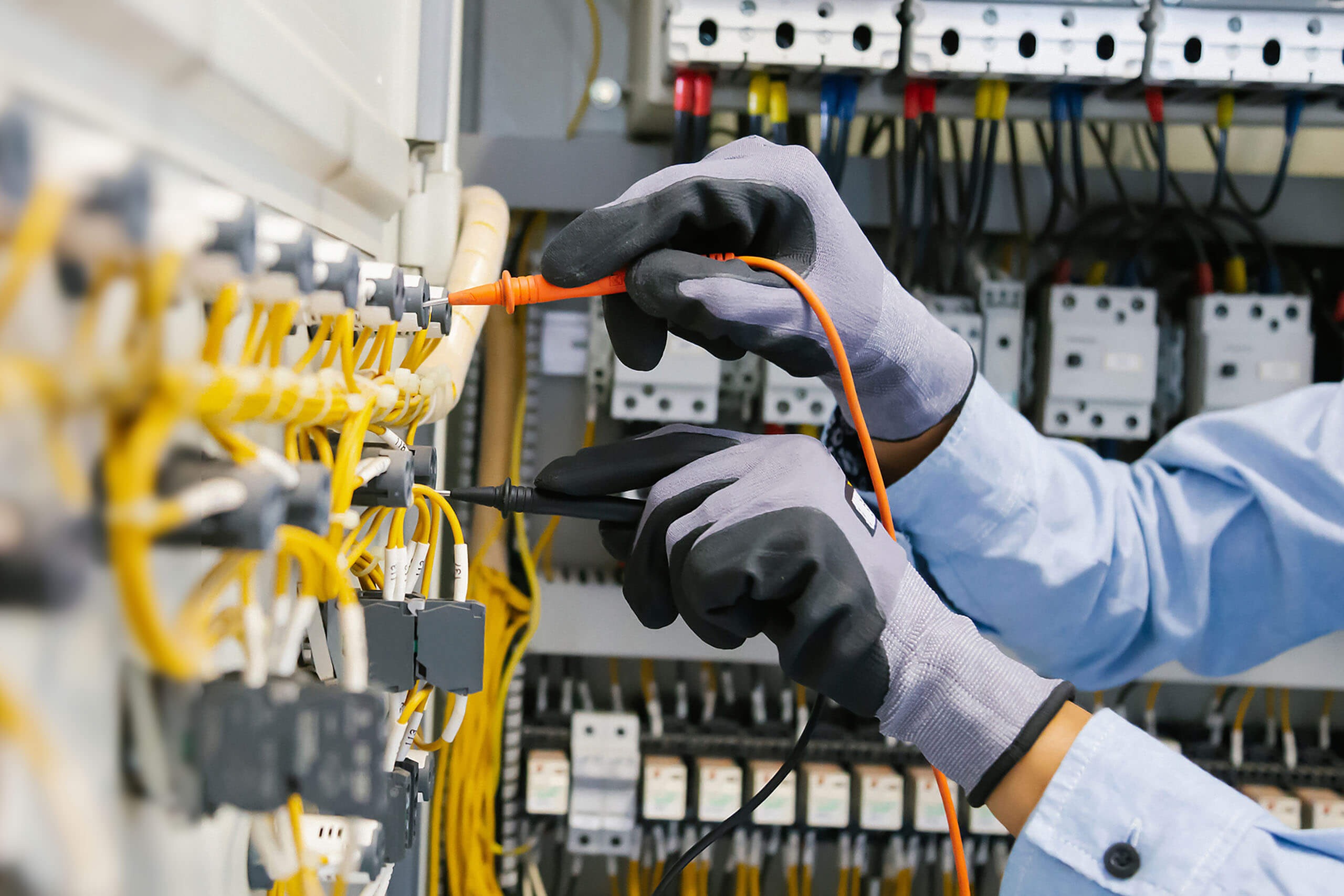
Electrical work includes wiring, the electrical panel, outlets, switches, lighting fixtures, and smart-home pre-wiring if desired. For a 2,000-square-foot home, electrical costs typically range from $10,000 to $25,000. Homes with electric vehicle chargers, whole-home generators, or advanced smart-home systems may see electrical costs reach $35,000 or more. Electrical work accounts for approximately 8 to 10 percent of total construction costs.
3.8 HVAC (Heating, Ventilation, and Air Conditioning)
HVAC systems are critical for comfort and energy efficiency. A complete HVAC installation — including ductwork, heating, and cooling units — typically costs between $12,000 and $30,000 for a standard home. High-efficiency systems, zoned HVAC, or homes in climates with extreme temperature ranges may see costs reach $40,000 to $50,000. HVAC represents about 8 to 10 percent of construction costs.
3.9 Insulation and Drywall
Proper insulation is essential for energy efficiency and comfort. Insulation costs for a new home range from $3,000 to $10,000 depending on the type — batt, blown-in, spray foam, or rigid board — and the climate requirements. Drywall installation, including hanging, taping, and finishing, averages $1.50 to $3.00 per square foot of wall surface, typically totaling $8,000 to $20,000 for a standard home.
3.10 Interior Finishes
Interior finishes are where construction budgets can expand significantly based on personal taste. This category covers flooring (tile, hardwood, carpet, LVP), kitchen and bathroom cabinetry, countertops, interior doors, trim and molding, and paint. For a mid-range home, interior finishes typically cost between $50,000 and $175,000. Custom kitchens, stone countertops, and hardwood floors throughout can push this figure considerably higher.
3.11 Permits, Fees, and Inspections
Building permits and government fees are often overlooked in early budget planning. Permit costs depend on the municipality and the scope of the project, typically ranging from $1,500 to $15,000 or more. Some jurisdictions charge permit fees as a percentage of total construction value. Plan review fees, impact fees, and connection fees for water and sewer can add thousands more to your total project cost.
3.12 General Contractor and Overhead Costs
If you are hiring a general contractor (GC) to manage the project, their fee typically ranges from 10 to 25 percent of total construction costs. For a $400,000 build, this means a GC fee of $40,000 to $100,000. This fee covers project management, subcontractor coordination, scheduling, and general liability. While it may seem high, an experienced GC can save significant money by preventing costly errors and rework.
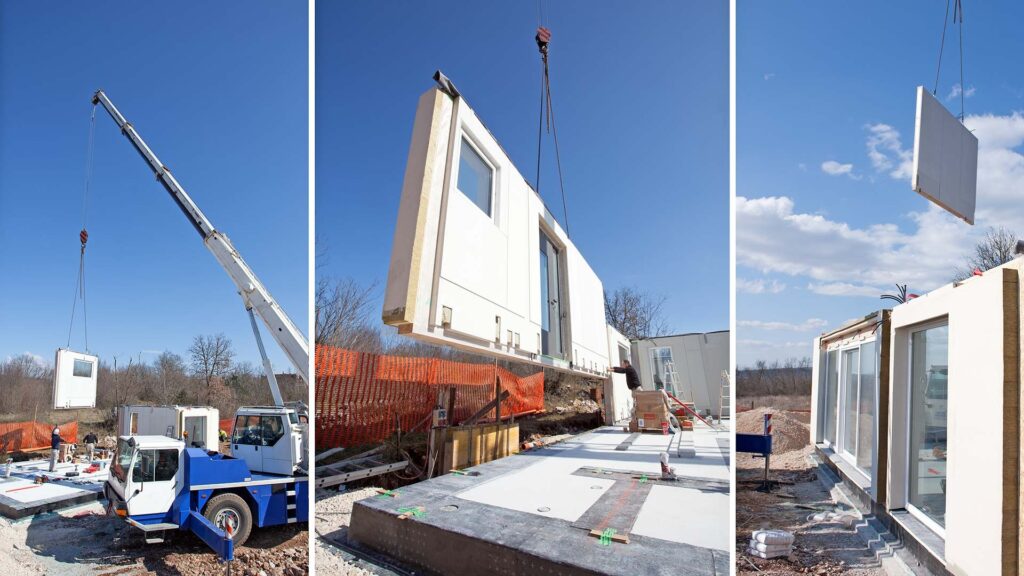
Here is a comprehensive cost breakdown summary:
| Construction Category | Typical Cost Range | % of Total Budget |
| Land & Site Prep | $5,000 – $50,000+ | Variable |
| Foundation | $8,000 – $50,000 | 10 – 15% |
| Framing | $20,000 – $60,000 | 15 – 20% |
| Roofing | $8,000 – $60,000 | 5 – 8% |
| Exterior (Siding/Windows/Doors) | $20,000 – $70,000 | 10 – 14% |
| Plumbing | $12,000 – $30,000 | 8 – 12% |
| Electrical | $10,000 – $35,000 | 8 – 10% |
| HVAC | $12,000 – $50,000 | 8 – 10% |
| Insulation & Drywall | $11,000 – $30,000 | 4 – 6% |
| Interior Finishes | $50,000 – $175,000+ | 20 – 30% |
| Permits & Fees | $1,500 – $15,000 | 1 – 3% |
| General Contractor Fee | 10 – 25% of total | 10 – 25% |
4. Cost to Build a House by State in 2026
Construction costs vary dramatically across the United States. Geography, labor market conditions, local building codes, material transportation costs, and real estate demand all contribute to regional price differences. Below is a state-by-state breakdown of average construction costs per square foot in 2026.
California
California consistently ranks among the most expensive states for new home construction. In 2026, the average cost to build a house in California ranges from $350 to $650 per square foot. In the San Francisco Bay Area, costs frequently exceed $700 per square foot due to extreme labor shortages, high land costs, seismic design requirements, and strict energy codes. Los Angeles and San Diego average $400 to $600 per square foot. The state’s Title 24 energy standards add meaningful cost to insulation, windows, and HVAC systems.
New York
New York is another high-cost construction market. In New York City and the surrounding metro area, construction costs average $400 to $700+ per square foot. Upstate New York is considerably more affordable, with costs ranging from $150 to $275 per square foot. New York City’s union labor requirements, complex permitting process, and high land values drive up total project costs. A modest 1,500-square-foot home in Manhattan can easily cost $1.5 million or more to build.
Texas
Texas offers some of the most competitive construction costs in the country, making it a popular destination for residential developers and homebuilders. In Houston, Dallas, and San Antonio, average construction costs range from $140 to $240 per square foot. Austin, with its rapid population growth and constrained labor supply, has seen costs rise to $200 to $320 per square foot in recent years. Texas has no state income tax and relatively streamlined permitting processes, which contribute to its cost-competitive environment.
Florida
Florida’s construction costs sit in the mid-range nationally, averaging $150 to $280 per square foot. Hurricane-resistant building codes, required in most of the state, add 10 to 20 percent to structural costs — particularly for roofing, windows, and tie-down systems. Miami and the South Florida corridor tend to be more expensive ($250 to $400 per square foot) due to land costs and demand. North and Central Florida remain more affordable for residential construction.
Colorado
Colorado’s booming real estate market and strong in-migration have strained construction labor capacity. In 2026, residential construction costs in Denver and Boulder average $200 to $375 per square foot. Mountain communities — Aspen, Vail, and Telluride — can exceed $500 per square foot due to remote access challenges, specialized foundation requirements for high-altitude sites, and affluent buyer expectations. The Front Range, including Colorado Springs and Fort Collins, averages $175 to $300 per square foot.
Washington State
Washington State, particularly the Seattle metropolitan area, has experienced significant construction cost inflation over the past decade. Average costs in Seattle range from $275 to $450 per square foot. The state’s seismic zone requirements, strict energy codes, and high union labor rates all contribute to elevated construction costs. Eastern Washington (Spokane and the Tri-Cities) is considerably more affordable, with costs averaging $150 to $225 per square foot.
Georgia
Georgia is a relatively affordable state for residential construction. In Atlanta and its suburbs, average costs range from $150 to $275 per square foot. Savannah and coastal Georgia communities trend slightly higher due to hurricane exposure requirements. Rural Georgia can be among the most affordable construction markets in the Southeast, with average costs as low as $120 to $180 per square foot for standard construction.
North Carolina
North Carolina sits in the affordable-to-mid-range tier for residential construction costs. Charlotte and the Research Triangle (Raleigh-Durham-Chapel Hill) average $160 to $280 per square foot. Asheville and Western North Carolina, where the terrain adds construction complexity, averages $180 to $300 per square foot. The state’s growing population and strong builder ecosystem keep construction costs competitive compared to neighboring Virginia and Washington D.C.
Arizona
Arizona offers moderate construction costs, averaging $150 to $270 per square foot in Phoenix and Scottsdale. Tucson is slightly more affordable at $130 to $240 per square foot. The desert climate requires specific HVAC sizing and insulation specifications, and some areas require special foundation engineering due to expansive soils. Arizona’s relatively straightforward permitting process and non-union labor market help keep costs competitive.
New Jersey
New Jersey is one of the higher-cost states for residential construction, reflecting its proximity to New York City, high labor costs, and dense regulatory environment. Average costs range from $200 to $400 per square foot. Northern New Jersey, within commuting distance of Manhattan, averages $300 to $450 per square foot. Southern New Jersey and rural areas offer more affordable construction at $175 to $280 per square foot. Environmental regulations and wetland permitting can add significant time and cost to projects.
Illinois
Illinois presents a bifurcated market. The Chicago metropolitan area averages $225 to $375 per square foot due to union labor requirements, harsh winter construction conditions, and a complex permitting environment. Downstate Illinois — including cities like Springfield, Peoria, and Rockford — is considerably more affordable at $130 to $200 per square foot. The state’s aging infrastructure and high property taxes can also affect the overall cost-benefit analysis for residential construction.
Ohio
Ohio is one of the most affordable states for residential construction in the country. Columbus, Cincinnati, and Cleveland average $130 to $220 per square foot. Rural Ohio can be even more affordable, with basic construction costs as low as $110 to $160 per square foot. Ohio’s stable labor market, accessible material supply chains, and straightforward regulatory environment make it attractive for residential developers looking for cost efficiency.
Michigan
Michigan offers affordable construction costs, with the Detroit metropolitan area averaging $140 to $230 per square foot. Grand Rapids and Western Michigan tend to be slightly more affordable. The state’s cold climate requires robust insulation specifications, but lower land costs and a competitive labor market offset those requirements. Northern Michigan resort communities, such as Traverse City and Petoskey, command higher construction premiums of $200 to $350 per square foot.
Here is a quick-reference state comparison for 2026:
| State | Low ($/sq ft) | Average ($/sq ft) | High ($/sq ft) |
| California | $350 | $450 | $700+ |
| New York | $150 | $325 | $700+ |
| Texas | $140 | $200 | $320 |
| Florida | $150 | $220 | $400 |
| Colorado | $175 | $280 | $500+ |
| Washington | $150 | $310 | $450 |
| Georgia | $120 | $210 | $275 |
| North Carolina | $160 | $225 | $300 |
| Arizona | $130 | $210 | $270 |
| New Jersey | $175 | $300 | $450 |
| Illinois | $130 | $260 | $375 |
| Ohio | $110 | $175 | $220 |
| Michigan | $140 | $185 | $350 |
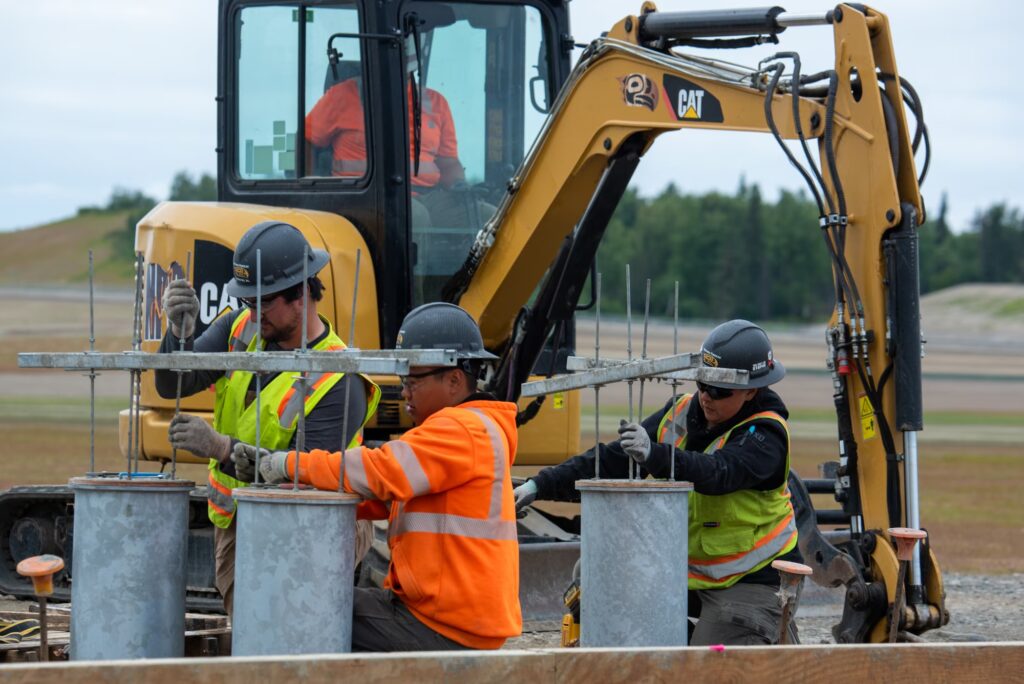
5. Key Factors That Affect New Home Construction Costs
Beyond location, a wide range of variables influence the total cost of building a new house. Understanding these factors helps homeowners and contractors make informed decisions during the planning and design phases.
5.1 Home Design and Complexity
A simple rectangular or square floor plan is the most cost-efficient design. Every additional corner, jog, or architectural feature adds cost to framing, roofing, and exterior finishes. Two-story homes are generally more cost-efficient per square foot than single-story homes of the same size because the roof and foundation costs are distributed over more floors. Vaulted ceilings, open floor plans with long spans, and complex rooflines all add to construction costs.
5.2 Material Selection
The choice of materials has a direct and significant impact on construction costs. Builder-grade materials represent the most affordable option, while designer or custom materials can multiply costs in certain categories. For example, granite or quartz countertops can cost two to four times as much as laminate alternatives. Hardwood flooring runs two to three times the price of vinyl plank. Material selection in the kitchen, bathrooms, and flooring typically accounts for the largest variance in total construction cost.
5.3 Labor Market Conditions
Labor shortages have been a persistent challenge in the construction industry. In markets where skilled tradespeople are in short supply — particularly electricians, plumbers, and HVAC technicians — wages are higher and scheduling delays are more common. Both factors increase total project costs. In 2026, labor cost for building a house represents 30 to 50 percent of total construction costs in most markets.
5.4 Supply Chain and Material Prices
Material costs are subject to fluctuation based on global supply chains, commodity prices, and regional availability. Lumber, steel, copper, and concrete are the primary materials most susceptible to price volatility. In 2026, material prices have stabilized compared to the extreme peaks of 2021 and 2022, but remain elevated above pre-pandemic baselines. Working with an experienced estimator who uses current regional pricing databases ensures your budget reflects real-world material costs.
5.5 Lot Conditions and Topography
Not all lots are created equal. Sloped terrain requires more extensive site work and potentially more complex foundation systems. Rocky soil may require blasting or special drilling equipment. High water tables can necessitate drainage mitigation. Properties in flood zones require elevated construction, which adds cost. Always conduct a geotechnical survey before finalizing your construction budget.
5.6 Utilities and Infrastructure
If the lot does not have existing utility connections, extending water, sewer, gas, and electrical service to the site can add $10,000 to $50,000 or more to your project cost, depending on the distance from existing infrastructure. Rural properties may require well drilling and septic system installation, which typically costs $15,000 to $30,000 for both systems combined.
6. Custom Home vs. Production Home: Cost Comparison
One of the most fundamental decisions in new home construction is whether to build a custom home or purchase from a production builder. Each approach has distinct cost implications.
A production home (also called a tract home or spec home) is built by a large developer who constructs many homes of similar design simultaneously. By purchasing materials in bulk and using the same floor plans repeatedly, production builders achieve economies of scale that result in lower per-unit costs. Production homes typically cost 10 to 30 percent less than comparable custom homes. However, buyers have limited ability to customize the design, layout, or finishes.
A custom home, built to a specific owner’s design and specifications, offers complete personalization but comes at a higher cost. Custom homes require an architect or designer, a longer planning phase, and individual material procurement. Custom homes also carry a higher risk of cost overruns due to the unique nature of each project. For buyers who prioritize personalization, the premium cost is often worthwhile.
| Factor | Production Home | Custom Home |
| Average Cost Premium | Baseline | +15 to +40% |
| Design Flexibility | Limited | Complete |
| Construction Timeline | 4 – 8 months | 8 – 18 months |
| Cost Certainty | High (fixed price) | Moderate (cost-plus) |
| Architect Required | No | Yes |
| Material Customization | Limited packages | Unlimited |
7. Hidden Costs When Building a House
Many homeowners and first-time builders are surprised by expenses that are not always included in initial contractor quotes. Being aware of these hidden costs is essential for accurate residential construction budgeting.
- Land Survey: $500 to $1,500 to establish property boundaries before construction begins.
- Soil Testing / Geotechnical Report: $1,000 to $5,000 to assess soil bearing capacity and drainage characteristics.
- Architectural and Engineering Fees: 5 to 15 percent of total construction cost for custom home designs.
- HOA Fees and Community Development Charges: Variable, can be thousands of dollars in planned communities.
- Landscaping and Driveway: $15,000 to $50,000 for basic landscaping, sod, irrigation, and a concrete or asphalt driveway.
- Window Treatments and Blinds: $2,000 to $10,000 — often not included in builder contracts.
- Appliances: $5,000 to $25,000 depending on brand and quality level.
- Moving Costs: $1,000 to $5,000 for local moves, more for long-distance relocations.
- Construction Loan Interest: Interest payments during construction typically range from $5,000 to $25,000 depending on loan size and construction duration.
- Cost Overruns and Contingency: Industry best practice is to budget a 10 to 15 percent contingency on top of your total estimated cost for unforeseen expenses.
8. How to Save Money on Home Construction Without Cutting Corners
Building a home does not always mean spending the maximum amount. With thoughtful planning and smart decision-making, you can significantly reduce your home building expenses without sacrificing quality or long-term value.
Choose a Cost-Efficient Floor Plan
Simple, compact floor plans with fewer corners and straight rooflines cost significantly less to build than complex designs. Square or rectangular homes are the most cost-efficient shapes. Eliminating unused spaces — like formal dining rooms or oversized entryways — reduces both square footage and cost.
Get Multiple Contractor Bids
Never accept the first bid you receive. Obtain at least three bids from qualified general contractors for the same scope of work. Comparing bids helps you identify outliers and negotiate more competitively. Be cautious of bids that are dramatically lower than others, as these may reflect cut corners or missing scope items.
Use Value Engineering
Value engineering involves reviewing the design and specifications with your architect and contractor to identify opportunities to achieve the same functional result at a lower cost. Examples include substituting engineered lumber for expensive dimensional lumber, using stock cabinetry instead of custom, or selecting a cost-effective tile that replicates the look of natural stone.
Build During Off-Peak Seasons
In many markets, construction labor is more available — and sometimes less expensive — during the winter months when demand slows. Starting a project in late fall or winter, particularly in moderate climates, can result in faster scheduling and more competitive labor pricing.
Hire an Independent Construction Estimator
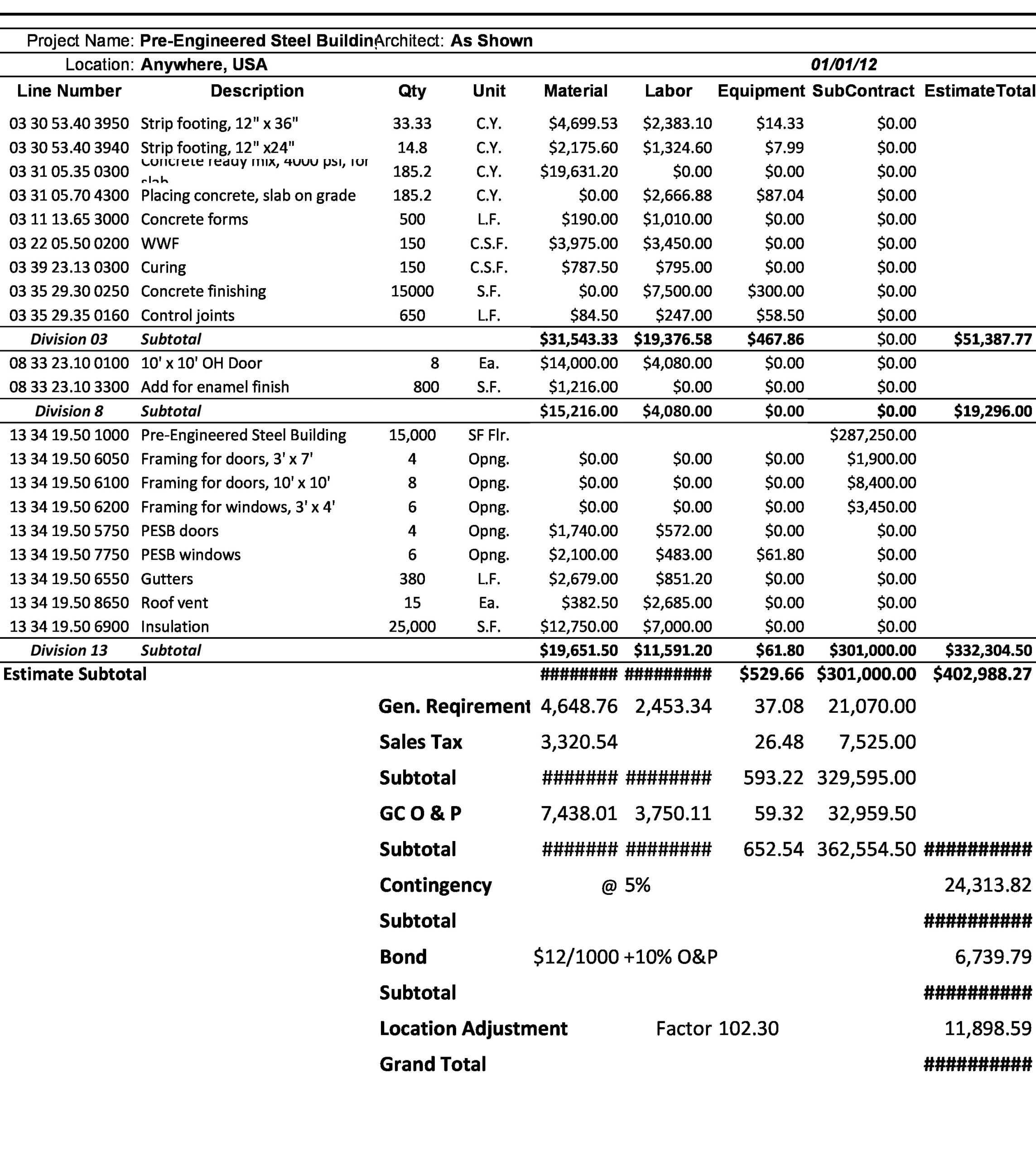
One of the most impactful investments you can make before breaking ground is hiring a professional construction estimator to prepare a detailed cost estimate. An accurate material takeoff and labor cost analysis helps you set a realistic budget, avoid scope gaps in contractor bids, and negotiate more effectively. The cost of professional estimating services is typically a fraction of a percent of the total project cost.
9. Construction Timeline and Its Effect on Cost
The duration of your construction project directly affects the total cost you pay. Longer construction timelines mean more months of construction loan interest, extended insurance coverage, and greater exposure to material price changes.
A typical single-family home takes 7 to 14 months to build from permit application to certificate of occupancy. The breakdown is roughly as follows:
| Phase | Typical Duration | Key Activities |
| Pre-Construction & Permits | 1 – 3 months | Design, plan review, permit approval |
| Site Preparation & Foundation | 1 – 2 months | Grading, excavation, foundation pour |
| Framing | 1 – 2 months | Floor, wall, and roof framing |
| Rough-In Trades | 1 – 2 months | Plumbing, electrical, HVAC rough-in |
| Insulation & Drywall | 1 month | Insulation installation, drywall hang and finish |
| Interior Finishes | 2 – 3 months | Cabinets, flooring, paint, trim, fixtures |
| Final Inspections & CO | 2 – 4 weeks | Final trades, punch list, occupancy permit |
Delays at any phase can cascade into subsequent phases, extending the timeline and increasing costs. Common delay causes include permit processing backlogs, material back-orders, subcontractor scheduling conflicts, and weather events. Building a realistic schedule — and a contingency buffer — into your project plan is essential for cost control.
10. Frequently Asked Questions
What is the cheapest state to build a house in 2026?
Ohio, Mississippi, Arkansas, and West Virginia consistently rank among the most affordable states for residential construction. In these states, average construction costs can be as low as $100 to $160 per square foot for standard construction.
Is it cheaper to buy or build a house in 2026?
In most markets, buying an existing home is currently less expensive than building new, primarily because material and labor costs have risen significantly since 2020. However, building new offers the advantage of a fully customized home with no deferred maintenance. The answer depends on your market, your priorities, and the availability of existing inventory.
How accurate are construction cost estimates per square foot?
Cost-per-square-foot estimates are useful for preliminary budgeting but should not be used as a final budget figure. A detailed material takeoff and labor cost analysis by a certified estimator is far more accurate than a simple per-square-foot calculation, which does not account for design complexity, finish level, or site conditions.
What is the most expensive part of building a house?
Interior finishes — including cabinetry, countertops, flooring, and fixtures — typically represent the largest single cost category at 20 to 30 percent of total construction costs. This is also the category with the widest variance, as finish selections can range from builder-grade to high-end custom.
How much does it cost to build a 2,000 sq ft house in 2026?
A 2,000-square-foot home costs approximately $260,000 to $700,000 to build in 2026, depending on location, design complexity, and finish level. The national midpoint is approximately $420,000 excluding land.
Do I need an architect to build a house?
For production homes and many standard custom designs, a licensed designer can prepare the construction drawings. For complex designs, structural engineering requirements, or commercial-scale projects, a licensed architect is required. Architecture fees typically range from 5 to 15 percent of total construction costs.
11. Work With a Professional Construction Estimator
Building a house in 2026 involves navigating an increasingly complex landscape of rising material costs, labor market challenges, and regional regulatory requirements. The single most important step you can take to protect your budget — whether you are a homeowner, a contractor, or a developer — is to start with a professionally prepared construction cost estimate.
Perfect Estimator LLC provides comprehensive residential construction estimating services across the United States. Our certified estimators deliver accurate material takeoffs, labor cost analyses, and bid-ready estimate packages for single-family homes, multi-family developments, and custom builds of every size and complexity.
We serve clients in all 50 states, including major markets in New York, California, Texas, Florida, Colorado, Washington, Georgia, North Carolina, Arizona, and New Jersey. Our team combines 15+ years of industry expertise with advanced estimating software — including PlanSwift, RSMeans, and Bluebeam — to deliver estimates with the precision your project demands.
Our residential estimating services include: detailed material quantity takeoffs, labor cost estimation by trade, cost-per-square-foot benchmarking, value engineering analysis, bid package preparation, and change order estimating. We work with general contractors, subcontractors, home builders, developers, architects, and property owners.
With a typical turnaround of 24 to 48 hours, Perfect Estimator LLC helps you move quickly and confidently from blueprint to bid. Contact our team today to submit your plans and receive a free project quote. Stop guessing — start building with confidence.
Contact Perfect Estimator LLC: Phone: +1 (212) 987-8789 | Email: info@perfectestimator.com | Website: perfectestimator.com