A two car garage is more than just a place to park vehicles—it’s a functional space that can add convenience, storage, and value to your property. Whether for residential homes or commercial projects in the United States, proper planning of garage dimensions is crucial to ensure safety, efficiency, and usability.
At Perfect Estimator, we specialize in providing precise commercial and residential estimates, helping clients design garages that are both practical and compliant with building standards.
This comprehensive guide will cover everything you need to know about two car garage dimensions, layouts, construction tips, and FAQs.
1. Standard Two Car Garage Dimensions
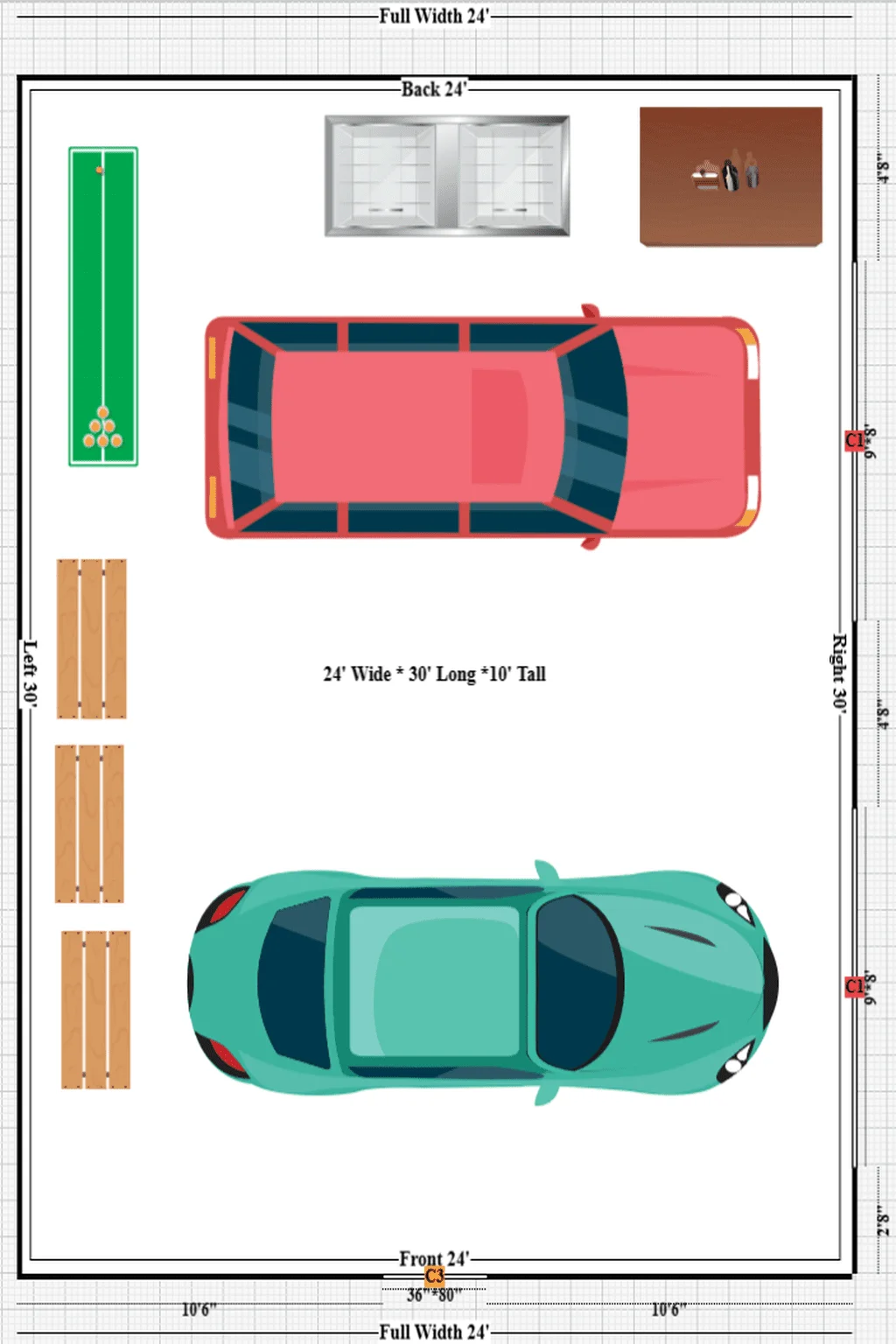
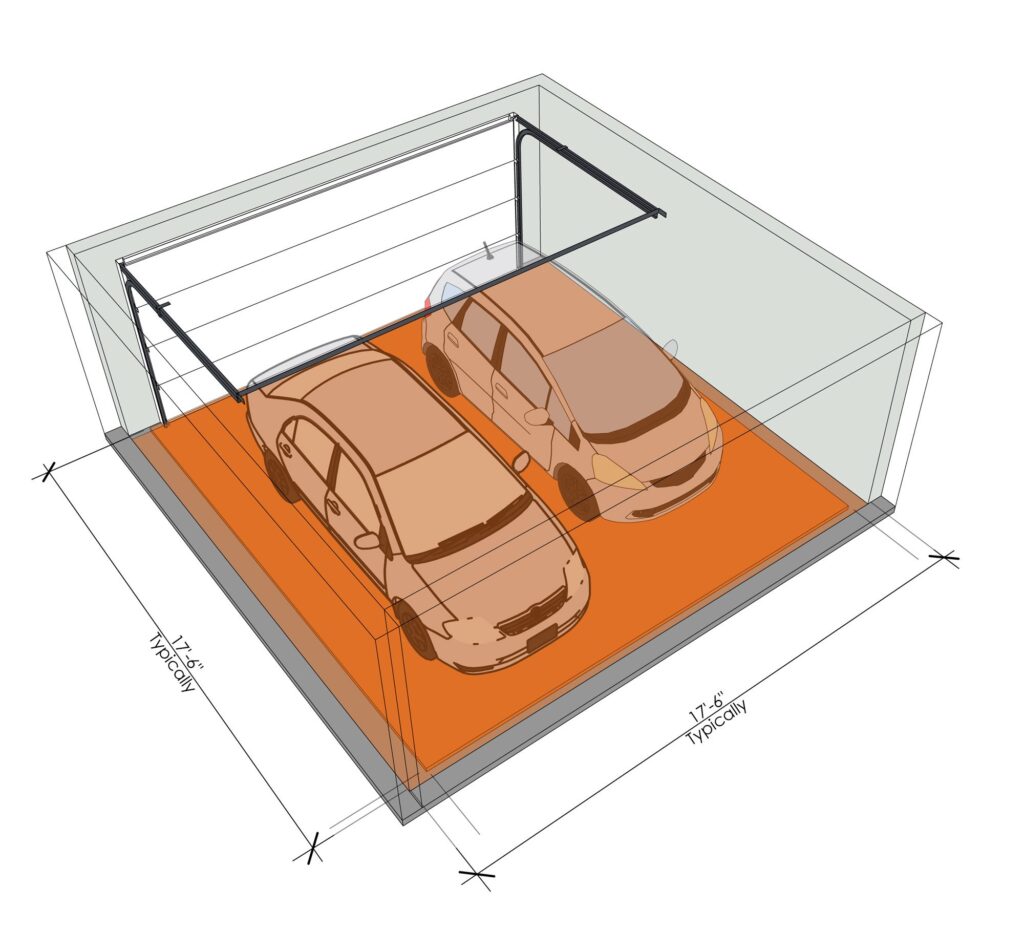
When planning a garage, it’s important to follow standard dimensions that accommodate most vehicles and allow room for storage and movement.
| Dimension | Standard Size (feet) | Recommended Size (feet) | Notes |
| Width | 20 – 24 | 22 – 24 | Allows door access and walking space |
| Depth | 20 – 24 | 22 | Extra space for storage/workshop |
| Height | 7 – 8 | 8 | Required for large vehicles or lifts |
Key Points:
- A garage that is too narrow or shallow can lead to difficulty parking and limited storage.
- If you own SUVs, trucks, or commercial vehicles, adding 2–4 feet to width and depth is highly recommended.
- Ceiling height affects ventilation, lighting, and space for equipment such as lifts.
2. Garage Door Considerations
The garage door is a critical element in dimension planning:
- Standard two car garage doors: 16–18 feet wide, 7–8 feet high
- Commercial garage doors: 18–20 feet wide, 8–10 feet high
Proper door sizing ensures smooth entry and exit, accommodates larger vehicles, and improves curb appeal. At Perfect Estimator, we also recommend installing high-quality, insulated doors to protect vehicles and reduce energy costs.
3. Common Two Car Garage Layouts
Side-by-Side Garage
The most traditional layout. Both vehicles are parked next to each other.
- Pros: Easy access, flexible storage space
- Cons: Requires more width
Tandem Garage
One car is parked behind the other. Ideal for narrow lots.
- Pros: Saves land width
- Cons: Less convenient for frequent vehicle use
L-Shaped Garage
Includes additional space for storage, workshop, or commercial equipment.
- Pros: Maximizes utility for commercial garages
- Cons: Requires more planning and custom construction
Split Garage
Separate bays for vehicles and workspace. Often used in commercial setups or for hobbyists.
- Pros: Organized space for tools, storage, or business needs
- Cons: Higher construction cost
4. Planning for Storage and Workspace
Even a standard two car garage can serve multiple purposes beyond parking vehicles:
- Storage:
- Cabinets, shelves, and overhead racks
- Room for seasonal equipment or commercial tools
- Cabinets, shelves, and overhead racks
- Workspace:
- Workbenches for DIY or commercial projects
- Additional lighting for productivity
- Workbenches for DIY or commercial projects
- Utility Equipment:
- Space for HVAC units, water heaters, or charging stations
- Important in commercial garages
- Space for HVAC units, water heaters, or charging stations
Tip: Add 2–3 extra feet to depth or width if you plan on using your garage for storage or a small workshop.
5. Materials and Construction for Durability
Choosing the right construction materials is key for longevity:
- Flooring: Concrete slab (most durable for residential & commercial garages)
- Walls: Wood framing, metal framing, or concrete blocks
- Roofing: Asphalt shingles, metal roofing, or flat commercial roofing
- Insulation: Prevents heat loss and protects vehicles in colder climates
Commercial garages often require reinforced floors, higher ceilings, and durable doors to accommodate heavier vehicles and equipment.
6. Driveway and Access Considerations
Your garage dimensions are useless without proper access:
- Driveway width: At least 12–16 feet for two vehicles
- Clearance: Minimum 3 feet on each side of the vehicle
- Slope: Gentle incline to prevent water pooling and ensure smooth entry
Pro Tip: Include a turnaround area in commercial or large residential properties for safer vehicle movement.
7. Two Car Garage for Commercial Use
For commercial projects, standard residential sizes may not be sufficient. Consider:
- Higher ceilings (10–12 feet) for lifts or larger trucks
- Extra-wide doors (18–20 feet) for commercial vehicles
- Open layouts for tools, storage, and workflow
- Durable flooring and materials for heavy-duty use
Perfect Estimator can provide a precise commercial estimate based on your requirements and ensure your garage meets building codes.
8. Cost Considerations
The cost of a two car garage depends on size, materials, and additional features:
| Feature | Estimated Cost (USD) |
| Standard 20×20 ft garage | $25,000 – $35,000 |
| Larger 24×24 ft garage | $35,000 – $50,000 |
| Insulated garage door | $1,500 – $3,000 |
| Workshop/storage addition | $5,000 – $10,000 |
These are approximate costs and can vary based on location, materials, and commercial requirements.
9. Frequently Asked Questions (FAQs)
Q1: What is the ideal width for a two car garage?
A: The ideal width is 22–24 feet to comfortably fit most vehicles and allow side clearance.
Q2: Can a two car garage fit large SUVs or trucks?
A: Yes, opt for at least 24 feet in width and depth for larger vehicles.
Q3: How high should a commercial garage ceiling be?
A: 10–12 feet is recommended to accommodate lifts and large vehicles.
Q4: Should I add extra storage space?
A: Yes, additional 2–3 feet in width or depth helps for tools, cabinets, or small workshop areas.
Q5: What is the best layout for commercial use?
A: L-shaped or split layouts are ideal for workflow, equipment storage, and vehicle access.
Q6: Can I use a two car garage for business purposes?
A: Absolutely. With proper planning, a two car garage can serve as a small workshop, storage area, or commercial vehicle parking.
Conclusion
Designing a two car garage requires careful consideration of dimensions, layouts, materials, and intended use. Whether for residential or commercial purposes, proper planning ensures vehicles fit safely, storage is adequate, and the space remains functional for years to come.
At Perfect Estimator, we specialize in providing accurate estimates, layout recommendations, and professional guidance to create garages that meet your exact requirements. From planning dimensions to selecting materials, we ensure your garage is both practical and cost-effective.