Investing in insulated vinyl siding is a smart choice for property owners looking to improve energy efficiency, enhance curb appeal, and reduce long-term maintenance costs. At Perfect Estimator, we specialize in providing detailed commercial estimates, helping U.S. businesses and homeowners understand insulated vinyl siding prices before starting any project.
Whether you are renovating a commercial office, retail space, warehouse, or residential property, this guide covers everything from cost factors to installation tips, benefits, and frequently asked questions.
What is Insulated Vinyl Siding?
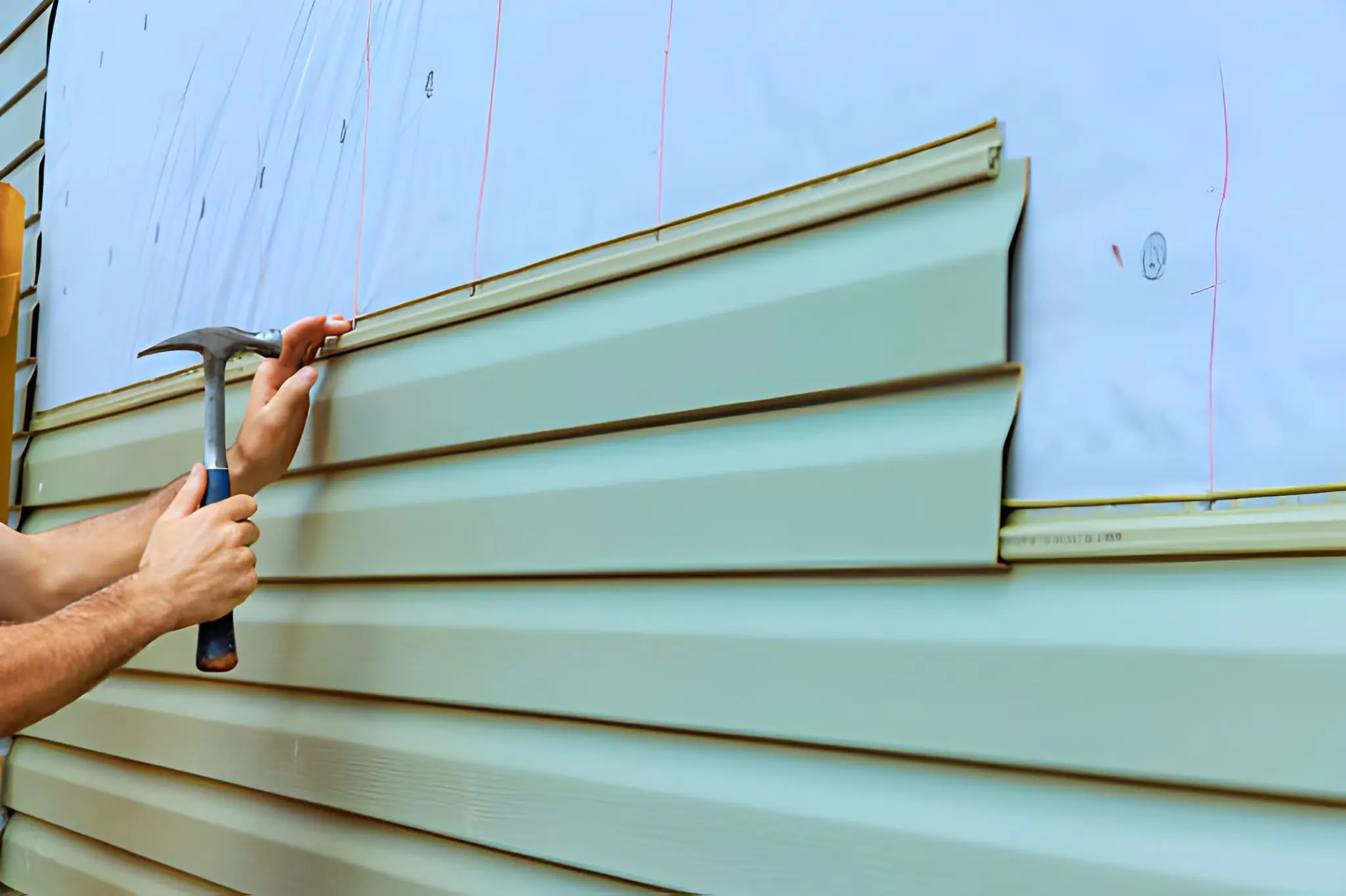
Insulated vinyl siding is a type of exterior cladding that combines standard vinyl panels with a layer of foam insulation, usually expanded polystyrene (EPS). Unlike traditional vinyl siding, insulated vinyl siding provides:
- Energy Efficiency: Helps maintain indoor temperatures, lowering heating and cooling costs.
- Noise Reduction: Thicker siding reduces external sound – perfect for commercial buildings near busy streets.
- Durability: Offers better resistance to impact, wind, and weather damage than standard vinyl.
- Improved Appearance: The rigid backing gives walls a more solid, upscale look.
Insulated siding is available in various styles, including horizontal, vertical, and shake-look panels, making it suitable for both residential and commercial applications.
Average Insulated Vinyl Siding Prices in the U.S.
The cost of insulated vinyl siding depends on the type, thickness, brand, and whether it’s a commercial or residential project. Here’s a detailed cost breakdown:
| Type / Feature | Price Range (per sq. ft.) |
| Basic insulated vinyl siding | $3 – $5 |
| Mid-range commercial siding | $5 – $8 |
| High-end insulated siding | $8 – $12 |
| Labor & installation | $1.50 – $3 |
| Additional accessories (trim, etc.) | $0.50 – $1.50 |
Example: For a 2,000 sq. ft. commercial building, costs can range from $9,000 to $30,000, including installation. Premium brands and thicker insulation can increase costs but offer long-term savings and durability.
Pro Tip from Perfect Estimator: Always factor in labor, trim, and corner pieces when estimating siding costs. Underestimating these can lead to surprises in your project budget.
Factors That Affect Insulated Vinyl Siding Prices
Several variables impact the total cost of insulated vinyl siding. Understanding them helps in accurate budgeting:
1. Thickness of Insulation
- 1-inch foam insulation: Basic energy efficiency, suitable for most residential properties.
- 1.5 – 2-inch foam insulation: Enhanced thermal performance and noise reduction, ideal for commercial buildings.
2. Material Quality
Premium siding brands often have better warranties, color retention, and resistance to fading or cracking. Cheaper siding may save upfront cost but require more maintenance.
3. Installation Complexity
Labor costs increase for:
- Multi-story buildings
- Irregularly shaped facades
- Hard-to-access locations
- Commercial buildings with unique architectural designs
4. Accessories & Finishing
- Corner trims, soffits, fascia boards, and venting all add to cost.
- Specialty colors and textures may also carry a premium.
5. Geographic Location
- Labor and material prices vary across the U.S.
- Urban areas like New York, Los Angeles, or Chicago generally have higher installation costs than smaller towns.
Benefits of Insulated Vinyl Siding for Commercial Properties
For business owners, insulated vinyl siding offers more than just aesthetics. Here’s why it’s a smart commercial investment:
- Energy Savings:
Commercial buildings with insulated siding can reduce energy bills by 20–30% compared to non-insulated siding. - Durability and Low Maintenance:
- Resistant to warping, cracking, and fading.
- Requires only occasional washing and inspections, reducing maintenance costs.
- Noise Reduction:
Ideal for office spaces, warehouses, and retail stores near busy streets or industrial areas. - Professional Appearance:
Thicker siding provides a high-end, solid look that can improve property value and attract clients or tenants. - Environmentally Friendly:
Some insulated vinyl siding brands are recyclable and contribute to LEED certification points for green building projects.
How to Estimate Insulated Vinyl Siding Costs for Your Project
Accurate cost estimation ensures you stay within budget and avoid surprises. Here’s how Perfect Estimator approaches it:
- Measure Your Property:
- Calculate total wall area, excluding windows and doors.
- Measure both height and width for precise square footage.
- Select the Siding Type and Thickness:
- Consider energy requirements and aesthetic preferences.
- Include Accessories:
- Trim, corners, soffits, vents, and specialty finishes.
- Factor Labor Costs:
- Commercial installations often require skilled labor for large surfaces or complex designs.
- Calculate Total Cost:
- Add material costs, labor, and accessories to get the total estimate.
Using this approach ensures that commercial property owners can plan accurately and avoid project overruns.
Comparing Insulated Vinyl Siding to Other Siding Options
| Siding Type | Average Cost (per sq. ft.) | Pros | Cons |
| Insulated Vinyl | $3 – $12 | Energy-efficient, durable, low-maintenance | Higher upfront cost |
| Standard Vinyl | $2 – $7 | Low cost, easy to install | Less durable, no insulation |
| Fiber Cement | $5 – $15 | Fire-resistant, durable | Heavy, costly, requires painting |
| Wood | $6 – $12 | Natural look, customizable | High maintenance, prone to rot |
FAQs About Insulated Vinyl Siding Prices
Q1: Is insulated vinyl siding worth the extra cost?
Absolutely. Long-term energy savings, noise reduction, and improved durability make it a smart investment for both residential and commercial properties.
Q2: How long does insulated vinyl siding last?
With proper installation and maintenance, it can last 25–40 years.
Q3: Can it be installed over existing siding?
Yes, many contractors can install insulated siding over existing vinyl or wood siding, saving time and labor.
Q4: Does insulated vinyl siding require maintenance?
Minimal – occasional washing and inspections are sufficient to keep it looking new.
Q5: Are there discounts for large commercial projects?
Yes, many suppliers offer bulk discounts for large square footage projects.
Q6: How much can businesses save on energy bills?
Businesses may save up to 30% on heating and cooling costs depending on insulation thickness and climate.
Final Thoughts
Upgrading your property with insulated vinyl siding is a smart move for commercial and residential buildings. It combines aesthetics, durability, and energy efficiency while providing a professional and modern appearance.
At Perfect Estimator, we provide detailed estimates for businesses and homeowners in the U.S., ensuring your siding project stays within budget and meets quality expectations. Contact us today for a comprehensive, commercial-grade siding estimate tailored to your property.