Estimating cubic yards is a fundamental skill in construction, landscaping, excavation, and concrete work throughout the United States. Whether you are a contractor bidding on a commercial project or a property owner planning material purchases, understanding cubic yard calculations ensures accuracy, efficiency, and cost control.
Inaccurate volume estimates can result in wasted materials, increased labor costs, and project delays. That is why professional estimating services like Perfect Estimator focus on precise cubic yard calculations to support reliable budgeting and planning for commercial and residential construction projects.
What Does “Estimating Cubic Yards” Mean?
Estimating cubic yards means calculating the total volume of material required for a project. A cubic yard is a standard U.S. unit of volume used for bulk construction materials.
- 1 cubic yard = 27 cubic feet
- Commonly used for concrete, soil, gravel, sand, mulch, asphalt, and debris
Material suppliers, ready-mix concrete plants, and dump truck operators all price materials by the cubic yard, making accurate estimation essential.
Why Accurate Cubic Yard Estimation Matters
Correct cubic yard calculations impact nearly every phase of a construction project, including:
- Material procurement
- Cost estimating and bidding
- Project scheduling
- Waste management
- Equipment selection
Overestimating leads to excess material and unnecessary expenses, while underestimating causes shortages and reordering delays. At Perfect Estimator, accuracy in volume estimating helps contractors stay competitive and profitable.
Standard Formula for Estimating Cubic Yards
The universal formula used across the construction industry is:
Length (feet) × Width (feet) × Depth (feet) ÷ 27 = Cubic Yards
This formula applies to slabs, footings, trenches, pads, and landscaping areas.
Step-by-Step Example of Cubic Yard Estimation
Example: Concrete Slab Calculation
- Length: 30 feet
- Width: 12 feet
- Thickness: 6 inches (0.5 feet)
30 × 12 × 0.5 ÷ 27 = 6.67 cubic yards
For practical ordering, add a 5–10% waste factor, resulting in approximately 7.3 cubic yards of concrete.
Estimating Cubic Yards for Different Construction Applications
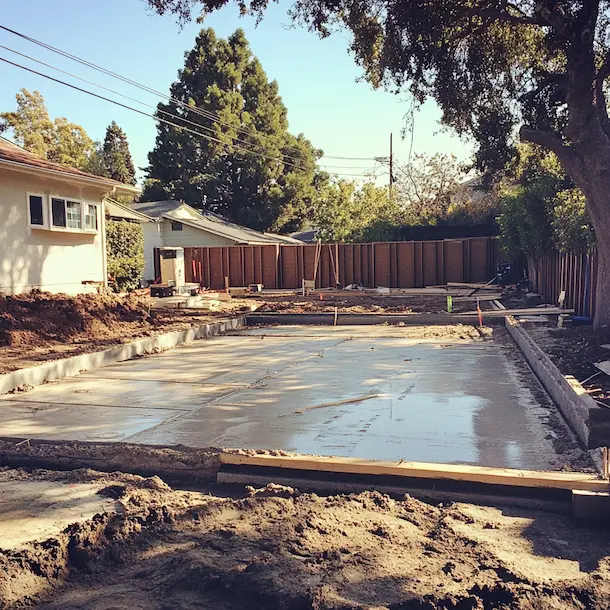
1. Concrete Foundations and Flatwork
Concrete estimating requires precision due to high material and labor costs.
Common uses:
- Slabs
- Driveways
- Sidewalks
- Footings
- Commercial foundations
Concrete volume miscalculations can significantly affect project profitability.
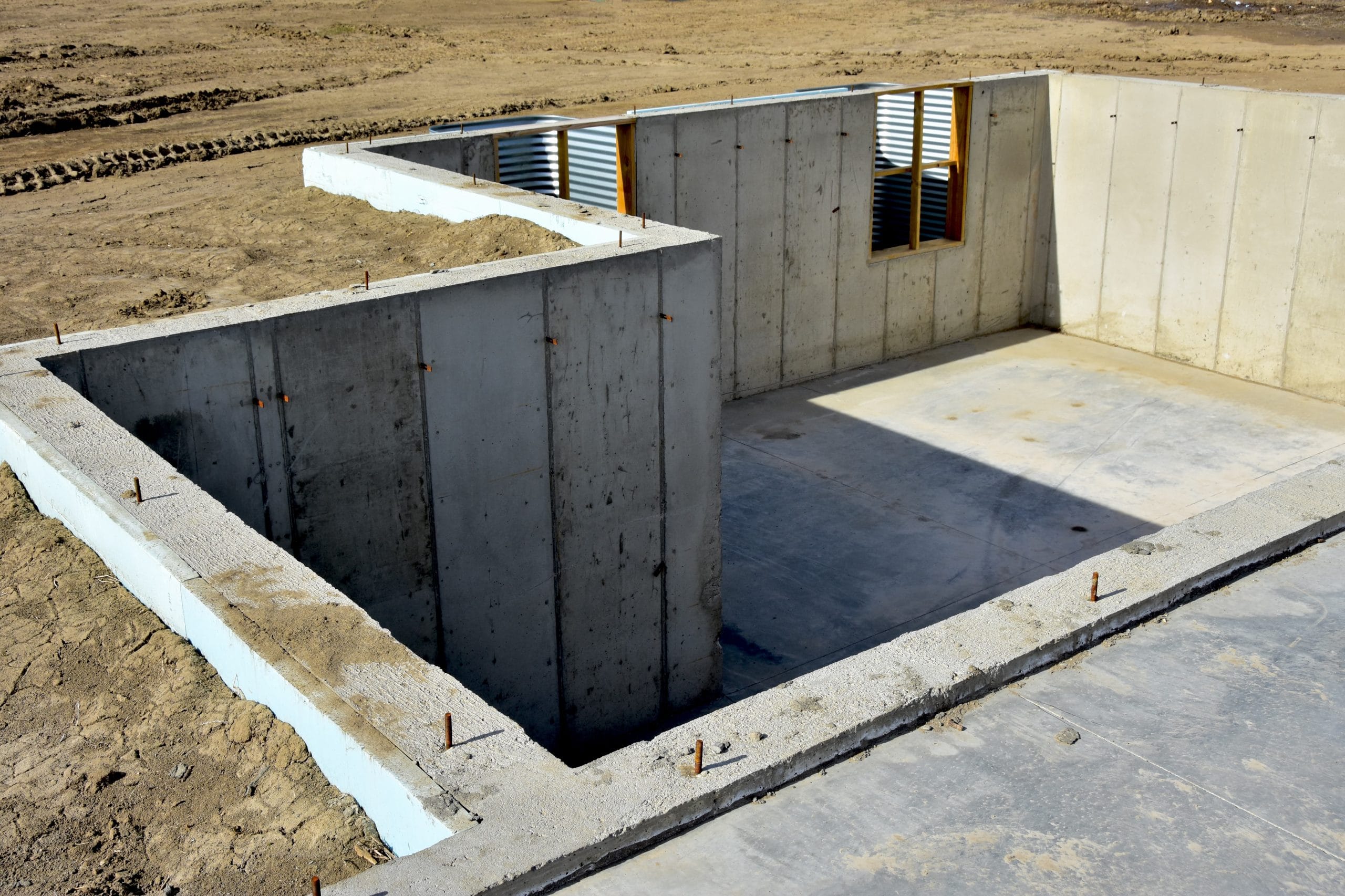
2. Excavation and Earthwork Projects
Excavation estimating includes:
- Cut and fill volumes
- Soil removal
- Trench excavation
- Site grading
Soil expansion (swell) and compaction factors must be considered for accurate cubic yard calculations.
3. Gravel, Sand, and Aggregate Estimation
Aggregate materials are commonly used for:
- Driveway bases
- Drainage systems
- Backfill
- Landscaping
Depth consistency is critical when estimating aggregate volumes.
4. Landscaping and Mulch Coverage
Mulch, topsoil, and compost are sold by cubic yard and applied over surface areas.
Accurate estimating prevents overbuying and uneven coverage.
Understanding Waste, Shrinkage, and Compaction Factors
Professional cubic yard estimating accounts for real-world material behavior.
Typical Waste Allowances:
- Concrete: 5–10%
- Soil and gravel: 10–15%
- Demolition debris: 15–20%
Ignoring these factors often leads to material shortages or disposal issues.
Tools Used for Estimating Cubic Yards
Manual Methods
- Construction drawings
- Tape measurements
- Calculation worksheets
Digital Estimating Tools
- Plan takeoff software
- Volume estimating calculators
- Construction estimating platforms
Commercial estimators rely on digital tools for speed, accuracy, and consistency across large projects.
Common Mistakes in Cubic Yard Estimating
- Mixing inches and feet without conversion
- Ignoring material compaction
- Underestimating waste factors
- Incorrect depth assumptions
- Rounding volumes too aggressively
Avoiding these mistakes improves cost accuracy and job efficiency.
Commercial Importance of Cubic Yard Estimation
In commercial construction, cubic yard estimating affects:
- Bid competitiveness
- Supplier coordination
- Trucking logistics
- Project scheduling
- Cost forecasting
Professional services like Perfect Estimator ensure estimates align with U.S. construction standards and real-world conditions.
When to Use a Professional Estimating Service
Hiring a professional estimator is ideal when:
- Working on large-scale projects
- Preparing competitive bids
- Managing multiple material types
- Accuracy directly impacts profit margins
Perfect Estimator provides reliable cubic yard takeoffs and material estimates for contractors across the United States.
Frequently Asked Questions (FAQs)
How do you estimate cubic yards quickly?
Multiply length, width, and depth in feet, then divide by 27. For accuracy, include a waste factor.
How many cubic yards fit in a dump truck?
Most standard dump trucks carry 10 to 16 cubic yards, depending on size and material type.
Is cubic yard estimation the same for all materials?
The formula is the same, but waste, compaction, and shrinkage factors vary by material.
Why is cubic yard estimation important for bidding?
Accurate volume estimates ensure competitive bids and prevent unexpected material costs.
Should contractors always add extra material?
Yes. Adding a waste factor helps prevent shortages during construction.
Conclusion
Estimating cubic yards accurately is essential for cost control, efficient material management, and successful project execution. From concrete and excavation to landscaping and site work, precise volume calculations help contractors and project managers make informed decisions.
At Perfect Estimator, we specialize in professional cubic yard estimating and material takeoffs for commercial and residential construction projects across the United States. Accurate estimates lead to better bids, better planning, and better outcomes.