When planning a construction or renovation project in the United States, one of the most important considerations is understanding the drywall cost per square foot. Drywall, also known as sheetrock or gypsum board, is the backbone of interior walls and ceilings in both residential and commercial buildings. At Perfect Estimator, we provide accurate, detailed estimates for all your construction needs, helping businesses and homeowners budget efficiently.
In this article, we will explore drywall types, pricing, installation costs, commercial vs residential considerations, cost-saving tips, and frequently asked questions to give you a complete picture.
What Is Drywall?
Drywall is a panel made of gypsum plaster sandwiched between two thick sheets of paper. It’s widely used in the construction industry due to its affordability, ease of installation, and smooth finish, which makes it ideal for painting or applying other wall finishes.
Key benefits of drywall include:
- Quick and efficient wall construction
- Fire resistance (for certain types)
- Soundproofing capabilities
- Moisture resistance for bathrooms and kitchens
Factors That Affect Drywall Cost Per Square Foot
Understanding the factors affecting drywall pricing can help you estimate costs more accurately:
1. Type of Drywall
Drywall comes in several varieties:
- Standard Drywall: Most common for walls and ceilings; affordable and versatile.
- Moisture-Resistant Drywall: Often used in bathrooms, kitchens, or areas prone to humidity.
- Fire-Resistant Drywall: Required in commercial buildings for fire code compliance.
- Soundproof Drywall: Reduces noise in offices, studios, and commercial buildings.
- Eco-Friendly Drywall: Made from recycled materials and suitable for green construction projects.
2. Thickness
Drywall thickness directly affects its durability and cost:
- 1/4 inch: Used for curved walls or layering over existing walls.
- 1/2 inch: Standard for residential and commercial walls.
- 5/8 inch: Stronger and commonly used for ceilings and fire-rated walls.
3. Project Size
The total square footage affects cost efficiency. Large commercial projects often benefit from bulk pricing, while smaller residential projects may have slightly higher per-square-foot costs.
4. Labor Costs
Labor is a significant part of drywall installation. Rates vary by region and project complexity:
- Residential installation: $1–$3 per square foot
- Commercial installation: $2–$4 per square foot
- Specialized finishes or high ceilings can increase labor costs
5. Finishing Level
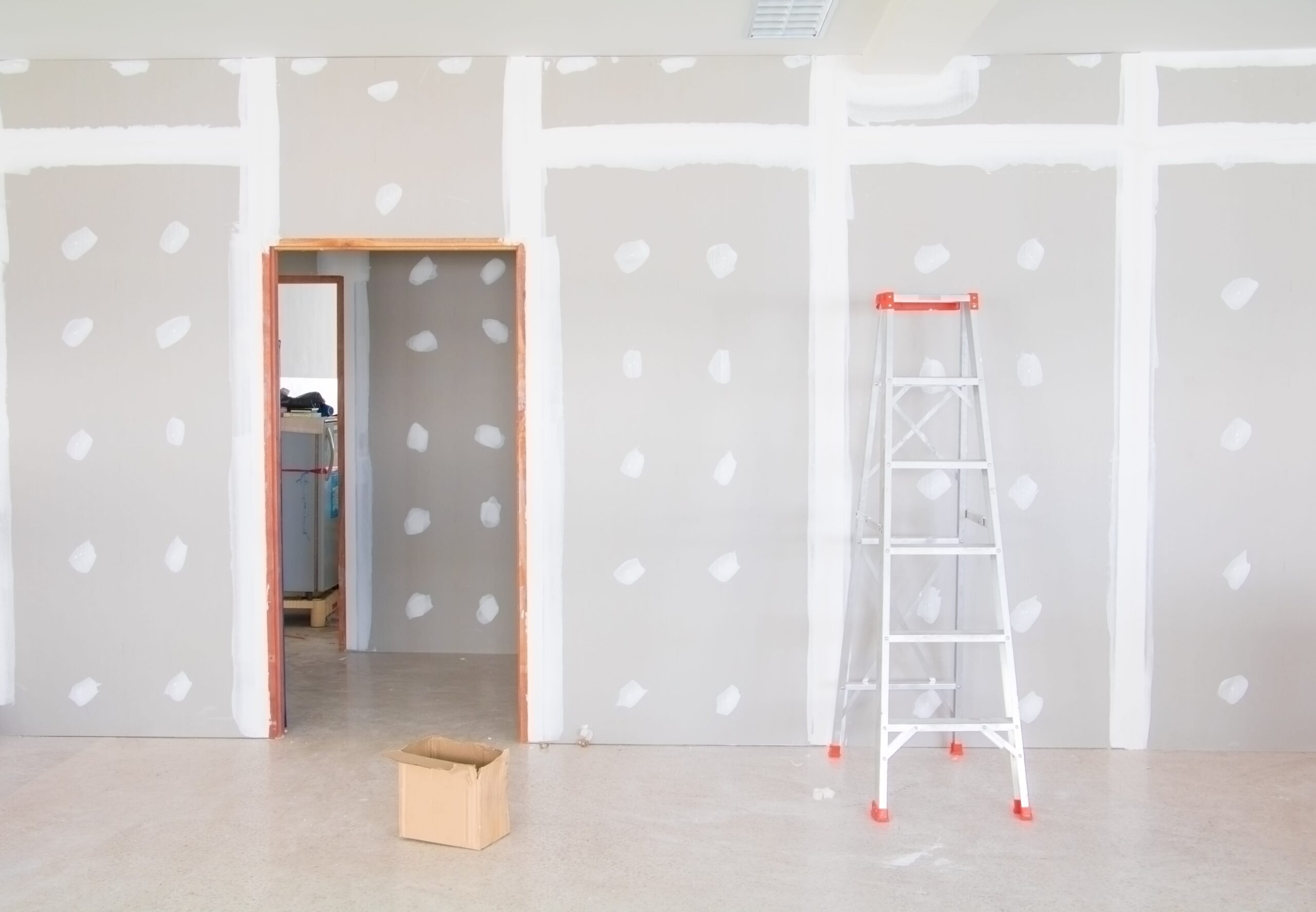
Drywall finishing, or taping and mudding, is graded from Level 0 to Level 5:
- Level 0: Bare drywall, no finishing
- Level 1: Minimal finishing for temporary surfaces
- Level 2-3: Basic to standard finish, suitable for primer or paint
- Level 4: Smooth finish for flat surfaces under light
- Level 5: High-quality, polished finish for commercial and high-end residential spaces
Higher finishing levels require more labor and materials, increasing the cost per square foot.
Average Drywall Cost Per Square Foot
Here’s a detailed breakdown of drywall costs in the U.S., including material and installation:
| Drywall Type | Cost (Materials Only) | Cost Installed |
| Standard 1/2″ | $0.40 – $0.65 | $1.50 – $2.50 |
| Moisture-Resistant | $0.60 – $1.00 | $2.00 – $3.00 |
| Fire-Resistant | $0.75 – $1.25 | $2.50 – $3.50 |
| Soundproof | $1.00 – $1.50 | $3.00 – $4.50 |
Prices vary by location, contractor, and market conditions. Commercial projects may also include additional costs for fireproofing, soundproofing, or compliance with building codes.
Drywall Installation Process
Knowing the steps of drywall installation helps in planning your budget:
- Measuring and Cutting: Drywall sheets are cut to fit walls or ceilings.
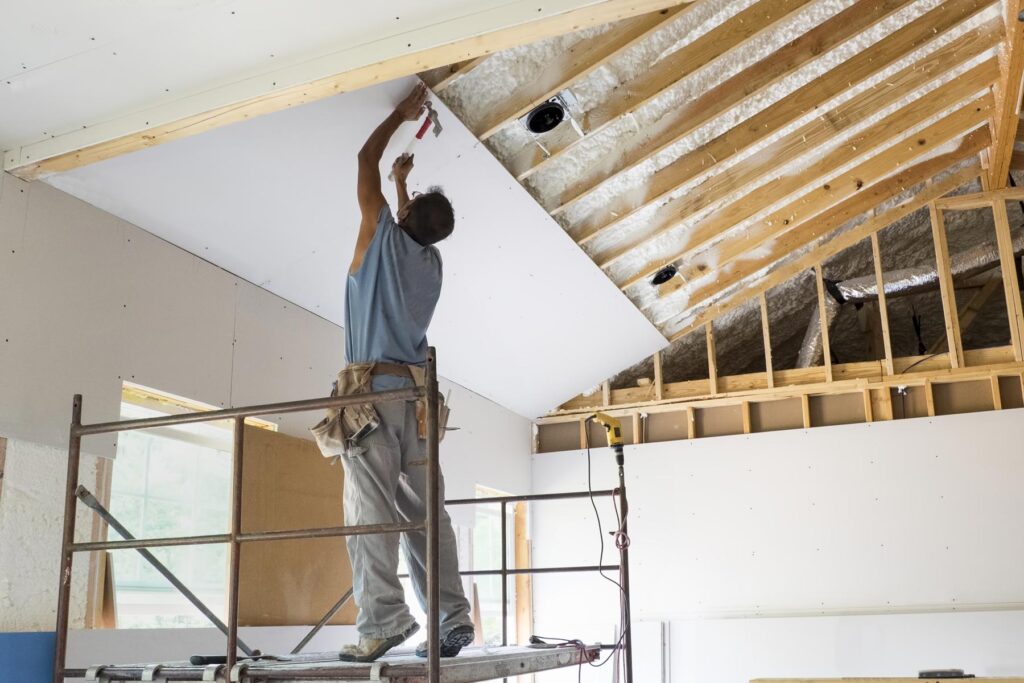
- Attaching to Studs: Sheets are secured using nails or screws to wall studs or ceiling joists.
- Taping and Mudding: Joints between sheets are filled and covered with tape and joint compound.
- Sanding: The surface is sanded for a smooth, paint-ready finish.
- Finishing: Depending on the desired quality, walls may be primed and painted or textured.
Proper installation ensures durability, reduces future repair costs, and improves the overall aesthetic of your building.
Commercial vs Residential Drywall Costs
For commercial construction projects, drywall costs can be higher due to:
- Larger wall areas requiring more materials
- Fire-rated and soundproof drywall requirements
- Specialized finishing for lobbies, offices, or public spaces
Residential projects are typically simpler, but certain areas like bathrooms or kitchens may require moisture-resistant drywall, slightly increasing costs.
Cost-Saving Tips
Here are practical ways to reduce drywall costs per square foot:
- Get Multiple Quotes: Compare contractors to find competitive pricing.
- Buy Materials in Bulk: Large projects often save money with bulk purchases.
- Plan Finishing Levels: Avoid over-finishing areas that won’t be visible.
- Use Prefabricated Panels: These can reduce labor time and installation costs.
- Schedule Efficiently: Combining drywall installation with other construction tasks reduces downtime and labor expenses.
Related Keywords for SEO
To ensure your website ranks higher in search engines, consider integrating the following keywords naturally:
- Drywall installation cost
- Sheetrock price per square foot
- Commercial drywall cost
- Drywall labor cost
- Drywall materials cost
- Drywall project estimate
FAQs
1. How much does drywall cost per square foot?
Drywall typically costs $1.50–$3.50 per square foot, including materials and installation. Costs vary depending on type, thickness, and finishing.
2. What is the best drywall type for commercial buildings?
Fire-resistant and soundproof drywall are ideal for commercial projects, while standard drywall is common for offices or retail spaces with no special requirements.
3. Can I install drywall myself to save money?
DIY installation is possible, but professional installation ensures proper finishing and durability, especially for commercial projects.
4. How long does drywall installation take?
A small residential room may take 1–2 days, whereas commercial projects can take several weeks, depending on the building size and complexity.
5. Does drywall price include finishing?
Basic installation usually includes Level 2-3 finishing. High-end finishes (Level 4-5) increase labor and material costs.
6. How do I estimate drywall cost for my project?
Measure the total square footage of walls and ceilings, choose the drywall type, and apply average cost per square foot. For commercial projects, consider fire ratings and soundproofing.
Why Choose Perfect Estimator for Your Drywall Project
At Perfect Estimator, we specialize in providing accurate cost estimates for drywall projects across the United States. Whether it’s a commercial building, office, retail space, or residential home, we ensure your budgeting is precise, saving you time and money. Our estimates include:
- Material costs
- Labor costs
- Finishing and special requirements
- Regional pricing adjustments
With our professional estimates, you can plan your project efficiently and avoid unexpected expenses.
Conclusion
Understanding the drywall cost per square foot is essential for successful construction budgeting. By knowing material prices, labor costs, finishing levels, and installation steps, you can plan both residential and commercial projects effectively. At Perfect Estimator, we provide reliable, comprehensive estimates to help your project stay on track and within budget.