Refreshing your home with a new coat of paint is one of the most cost-effective ways to transform your living space, increase property value, and make your home feel brand new. However, determining the cost to paint interior of house can be confusing because many factors influence pricing, from room size and paint type to labor rates and preparation work.
At Perfect Estimator, we provide detailed, professional-level guidance for homeowners, property managers, and commercial clients across the United States to plan and budget interior painting projects accurately. Whether you are painting a single room or an entire home, this guide will give you a clear picture of what to expect.
Why Interior Painting Costs Vary
The price of painting your home’s interior is not one-size-fits-all. Here are the main factors that influence cost:
1. Home Size and Layout
The square footage of your home is the most significant factor in determining painting costs. A larger home requires more paint, more labor, and more time.
- Small homes (under 1,000 sq. ft.) may cost between $1,000 and $2,500 for full interior painting.
- Medium homes (1,000–2,000 sq. ft.) generally cost $2,000 to $4,500.
- Large homes (2,000+ sq. ft.) can range from $4,500 to $8,000 or more.
The layout also matters—open-concept homes may be faster to paint but have higher ceilings, while older homes with multiple small rooms take longer due to extra prep work and trimming.
2. Paint Type and Quality
The type of paint you select can dramatically impact your budget. Here are common options:
- Standard Latex Paint: Affordable, good for most walls, and widely used for residential homes. Coverage is moderate, and it’s easy to clean.
- Premium Paints: Higher-quality paints offer better coverage, durability, and richer color. They are ideal for high-traffic areas and provide a professional finish. Expect $50–$70 per gallon for premium paint.
- Specialty Finishes: Gloss, semi-gloss, satin, or textured finishes add visual appeal but can increase labor time and cost. For example, painting a high-gloss finish properly often requires extra prep and multiple coats.
3. Preparation Work
Proper preparation is essential for a long-lasting, professional-looking paint job. Costs increase if your walls require:
- Repairing holes and cracks: Small wall damage may cost $50–$200, while extensive repairs can reach $500 or more.
- Priming: Required for new drywall, repairs, or drastic color changes. A primer coat can add $0.50–$1 per square foot.
- Removing old paint or wallpaper: This labor-intensive process can increase costs significantly, sometimes by 20–30%.
4. Labor Costs
Labor is often the largest portion of your painting budget. Labor costs in the USA vary based on region, experience, and project complexity.
- Residential painting: $2–$6 per square foot.
- Commercial painting: $3–$7 per square foot due to more prep work, higher standards, and safety requirements.
Hiring professional painters ensures a clean, efficient, and durable finish, especially for commercial properties, multi-unit rentals, or high-end homes.
5. Additional Features
Extra details add cost but increase the overall aesthetic and durability of your project:
- Trim, doors, and molding: Painting baseboards, crown molding, and doors can add $200–$800 depending on the number and size.
- High ceilings: Require ladders, scaffolding, and extra safety measures, raising labor costs.
- Custom designs or accent walls: Murals, stripes, or textured walls require more time and expertise, adding $500 or more per room.
Detailed Cost Breakdown by Room
Here’s a closer look at typical interior painting costs per room in the USA:
| Room Type | Average Cost Range |
| Bedroom | $300 – $800 |
| Living Room | $400 – $1,200 |
| Kitchen | $350 – $900 |
| Bathroom | $200 – $600 |
| Hallway | $150 – $400 |
| Dining Room | $350 – $900 |
| Home Office | $300 – $800 |
Tip: Combining multiple rooms in one project can save on labor costs, as painters can work continuously and reduce setup time.
Cost to Paint Interior by Square Foot
Many professional painters also calculate costs per square foot. This is useful for budgeting:
- $1.50–$3 per sq. ft. for basic residential painting
- $3–$5 per sq. ft. for premium paints, extensive prep, or commercial properties
- $5–$7 per sq. ft. for specialty finishes, high ceilings, or custom designs
Tips to Save Money Without Compromising Quality
While professional painting ensures long-lasting results, there are ways to reduce overall cost:
- DIY Prep Work – Clean walls, tape edges, and move furniture yourself.
- Neutral Colors – Standard shades require fewer coats and reduce paint usage.
- Bundle Rooms – Painting multiple rooms together saves labor costs.
- Hire Local Painters – Reduces travel time and may offer competitive pricing.
- Request Multiple Estimates – Comparing quotes ensures you get a fair price.
Benefits of Hiring a Commercial Painting Company
For homeowners, property managers, and real estate investors, hiring a commercial painting company like Perfect Estimator has advantages:
- Expertise in color matching and high-quality finishes
- Faster project completion and minimal disruption
- Proper wall prep and cleanup to prevent future maintenance issues
- Use of commercial-grade equipment for smooth, professional results
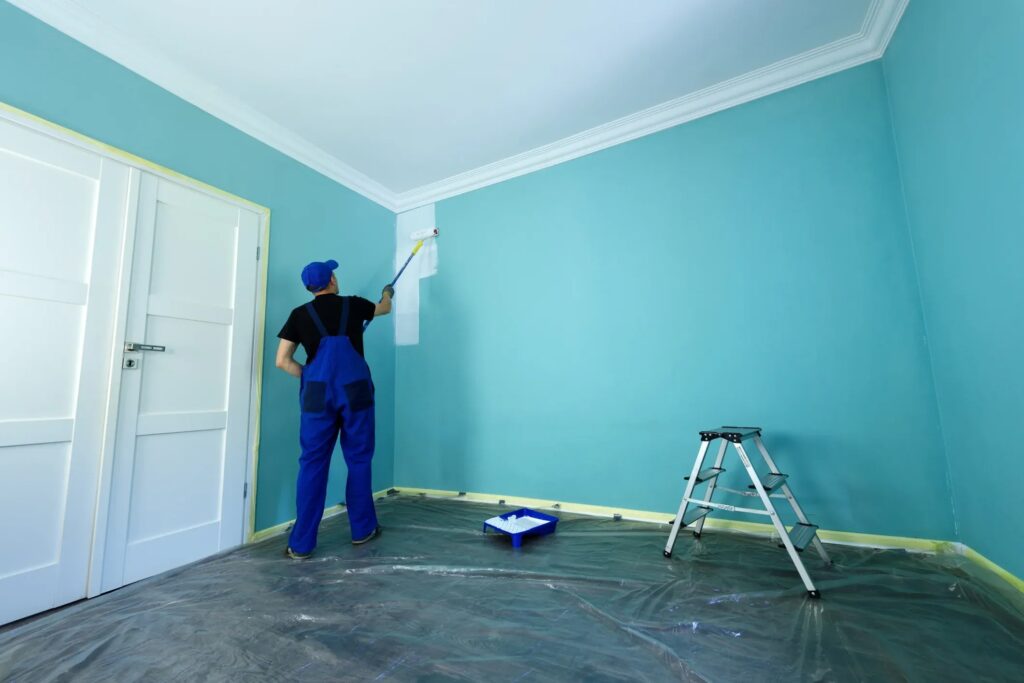
Commercial painting companies can handle large-scale projects, multi-unit rentals, or high-end finishes efficiently and safely.
Regional Painting Costs Across the USA
Painting costs vary by region due to labor rates, paint prices, and local demand:
- Northeast: $3–$6 per sq. ft.
- Midwest: $2–$5 per sq. ft.
- South: $2–$5 per sq. ft.
- West Coast: $3–$7 per sq. ft.
Urban areas with higher labor costs may see slightly higher estimates than suburban or rural areas.
FAQs About Interior Painting Costs
Q1: How much does it cost per room to paint?
A: On average, painting a standard 12×12 bedroom costs $300–$800, depending on paint type and prep work.
Q2: Does paint type affect cost?
A: Yes. Premium paints provide better coverage and durability, increasing total cost.
Q3: Can I save money by painting myself?
A: DIY prep or painting small areas can reduce labor costs but may affect quality.
Q4: How long does interior painting take?
A: For an average home, 3–7 days; larger or commercial projects can take 1–2 weeks.
Q5: Are labor costs higher for commercial projects?
A: Yes, commercial projects require detailed prep, safety measures, and higher-quality finishes, raising labor costs.
Q6: Should I hire a company for high ceilings or specialty finishes?
A: Absolutely. Professionals have scaffolding, tools, and expertise to handle complex areas safely.
Q7: How often should I repaint my home’s interior?
A: Typically every 5–7 years, or sooner in high-traffic areas, kitchens, or bathrooms.
Conclusion
Understanding the cost to paint interior of house helps homeowners, property managers, and commercial clients plan budgets accurately. By considering factors such as home size, paint type, prep work, labor, and additional features, you can get the best value for your investment.
At Perfect Estimator, we provide professional, commercial-grade painting estimates across the United States. Our goal is to help you plan efficiently, choose the right materials, and achieve long-lasting results that enhance your property’s appearance and value.