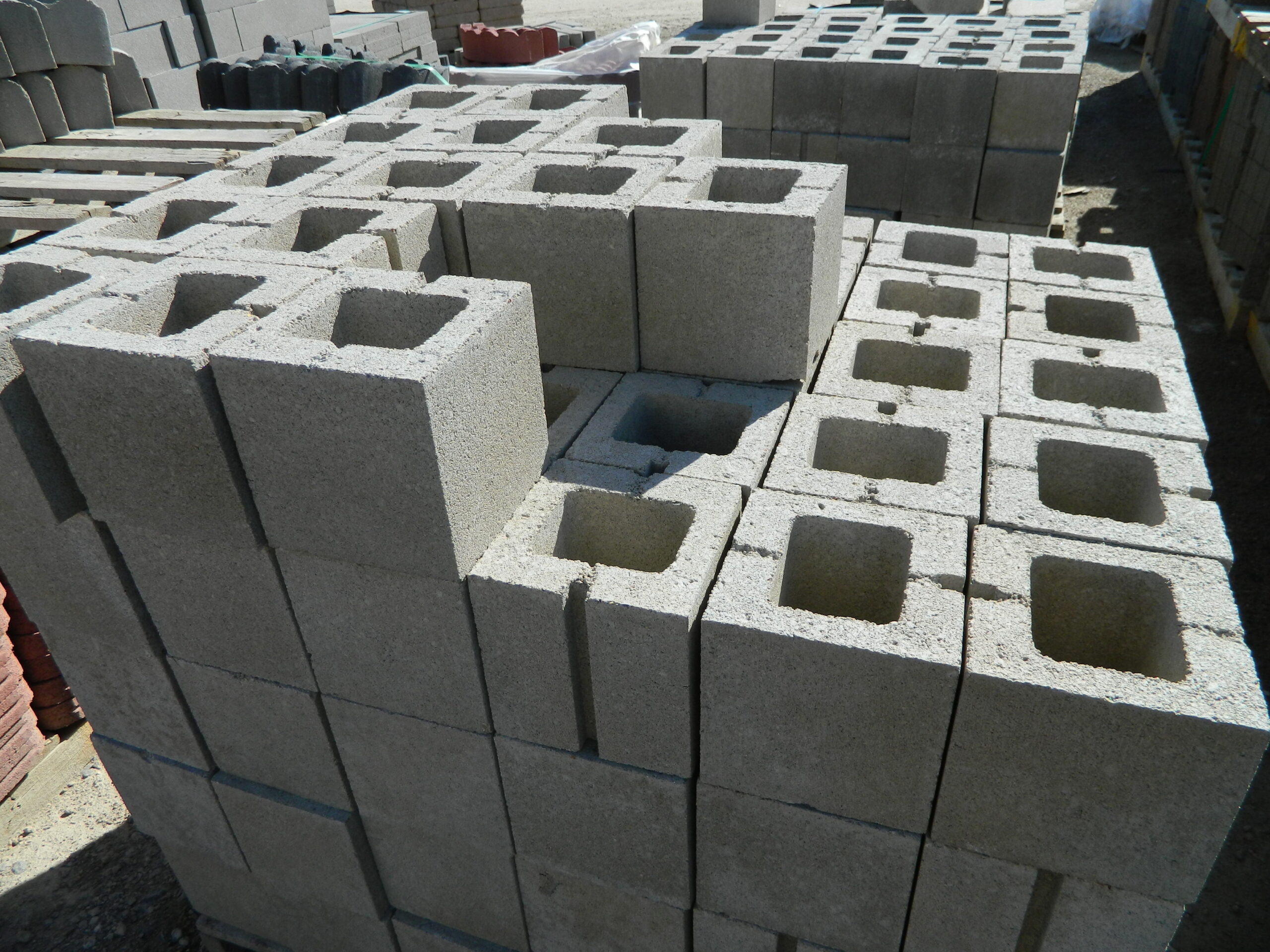
Cinder blocks are one of the most fundamental building materials used across the United States. From residential foundations to large-scale commercial structures, understanding cinder block dimensions is essential for accurate material takeoffs, structural planning, and cost estimation.
In this in-depth guide, we explain standard cinder block sizes, actual vs nominal dimensions, block weights, thickness options, layout calculations, and commercial applications. This article is designed for contractors, builders, architects, and estimators who want reliable technical knowledge.
At Perfect Estimator, accurate dimensions are the foundation of reliable construction estimates—and that starts with understanding your materials.
What Are Cinder Blocks?
A cinder block is a type of concrete masonry unit (CMU) traditionally made using coal cinders mixed with cement. While older blocks contained actual cinders, most modern blocks are made from Portland cement, aggregates, and fly ash.
Despite this evolution, the term cinder block remains widely used throughout the U.S. construction industry.
Common Uses of Cinder Blocks
- Foundation walls
- Load-bearing walls
- Basement walls
- Commercial structures
- Retaining walls
- Fire-rated assemblies
Standard Cinder Block Dimensions in the United States
Most Common Cinder Block Size
The industry-standard cinder block size used in U.S. construction is:
Nominal Dimensions:
- 8 inches high × 8 inches wide × 16 inches long
Actual Dimensions:
- 7⅝ inches × 7⅝ inches × 15⅝ inches
This size difference exists to allow space for ⅜-inch mortar joints, which are included in nominal measurements.
Nominal vs Actual Cinder Block Dimensions (Very Important)
Nominal Dimensions
- Used for planning, estimating, and layout
- Includes mortar joint thickness
- Industry standard for takeoffs
Actual Dimensions
- Physical size of the block itself
- Smaller to allow consistent joint spacing
Example:
If a wall is designed to be 16 feet long, it will require exactly 12 standard blocks per course using nominal dimensions.
This distinction is critical for accurate estimating, something Perfect Estimator emphasizes in professional construction planning.
Common Cinder Block Sizes by Thickness
Cinder blocks come in multiple thicknesses depending on structural requirements.
| Nominal Thickness | Actual Thickness | Typical Use |
| 4 inches | 3⅝ inches | Non-load-bearing walls |
| 6 inches | 5⅝ inches | Interior partitions |
| 8 inches | 7⅝ inches | Load-bearing walls |
| 10 inches | 9⅝ inches | Commercial structures |
| 12 inches | 11⅝ inches | Foundations & retaining walls |
Standard Cinder Block Dimension Chart
| Nominal Size (inches) | Actual Size (inches) | Application |
| 4 × 8 × 16 | 3⅝ × 7⅝ × 15⅝ | Interior partitions |
| 6 × 8 × 16 | 5⅝ × 7⅝ × 15⅝ | Light structural walls |
| 8 × 8 × 16 | 7⅝ × 7⅝ × 15⅝ | Structural walls |
| 10 × 8 × 16 | 9⅝ × 7⅝ × 15⅝ | Commercial load walls |
| 12 × 8 × 16 | 11⅝ × 7⅝ × 15⅝ | Foundations |
Cinder Block Height Variations
While 8-inch height blocks are standard, additional heights are available:
- 4-inch high CMUs
- 6-inch high CMUs
- 12-inch high CMUs
These are commonly used for:
- Bond beams
- Architectural detailing
- Course alignment adjustments
Cinder Block Length Options
The most common length is 16 inches, but specialty lengths exist:
- 8-inch half blocks
- 12-inch blocks
- Custom architectural CMUs
Half blocks are often used at wall ends, corners, and openings to maintain proper bond patterns.
Cinder Block Weight by Size
Block weight affects labor costs, structural load calculations, and handling requirements.
| Block Size | Approximate Weight |
| 4×8×16 | 22–26 lbs |
| 6×8×16 | 26–30 lbs |
| 8×8×16 | 30–38 lbs |
| 10×8×16 | 35–45 lbs |
| 12×8×16 | 40–50 lbs |
Lightweight vs Normal Weight Blocks
- Lightweight blocks reduce dead load and labor fatigue
- Normal weight blocks offer higher sound and fire resistance
Hollow vs Solid Cinder Blocks
Hollow Cinder Blocks
- Most commonly used
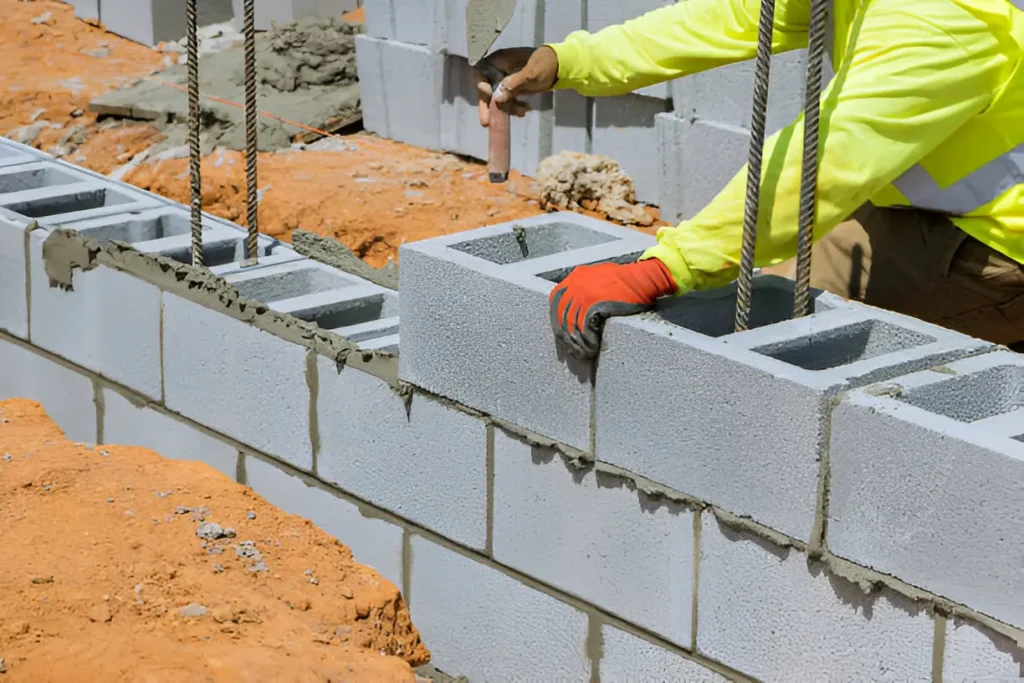
- Allow rebar and grout
- Lightweight and cost-effective
Solid Concrete Blocks
- Heavier and stronger
- Used in high-load applications
- Higher material cost
How Many Cinder Blocks Per Square Foot?
For standard 8×8×16 blocks:
- 1.125 blocks per square foot
- 113 blocks per 100 square feet
- ~450 blocks per 400 sq ft wall
Estimating Tip:
Always add 5–10% waste for cuts, breakage, and layout adjustments.
Perfect Estimator integrates this calculation into professional takeoffs to avoid shortages and delays.
Mortar Joint Thickness and Block Layout
Standard mortar joints:
- ⅜ inch horizontal
- ⅜ inch vertical
These joints affect:
- Wall length
- Course height
- Total material count
Ignoring joint thickness can lead to costly estimating errors.
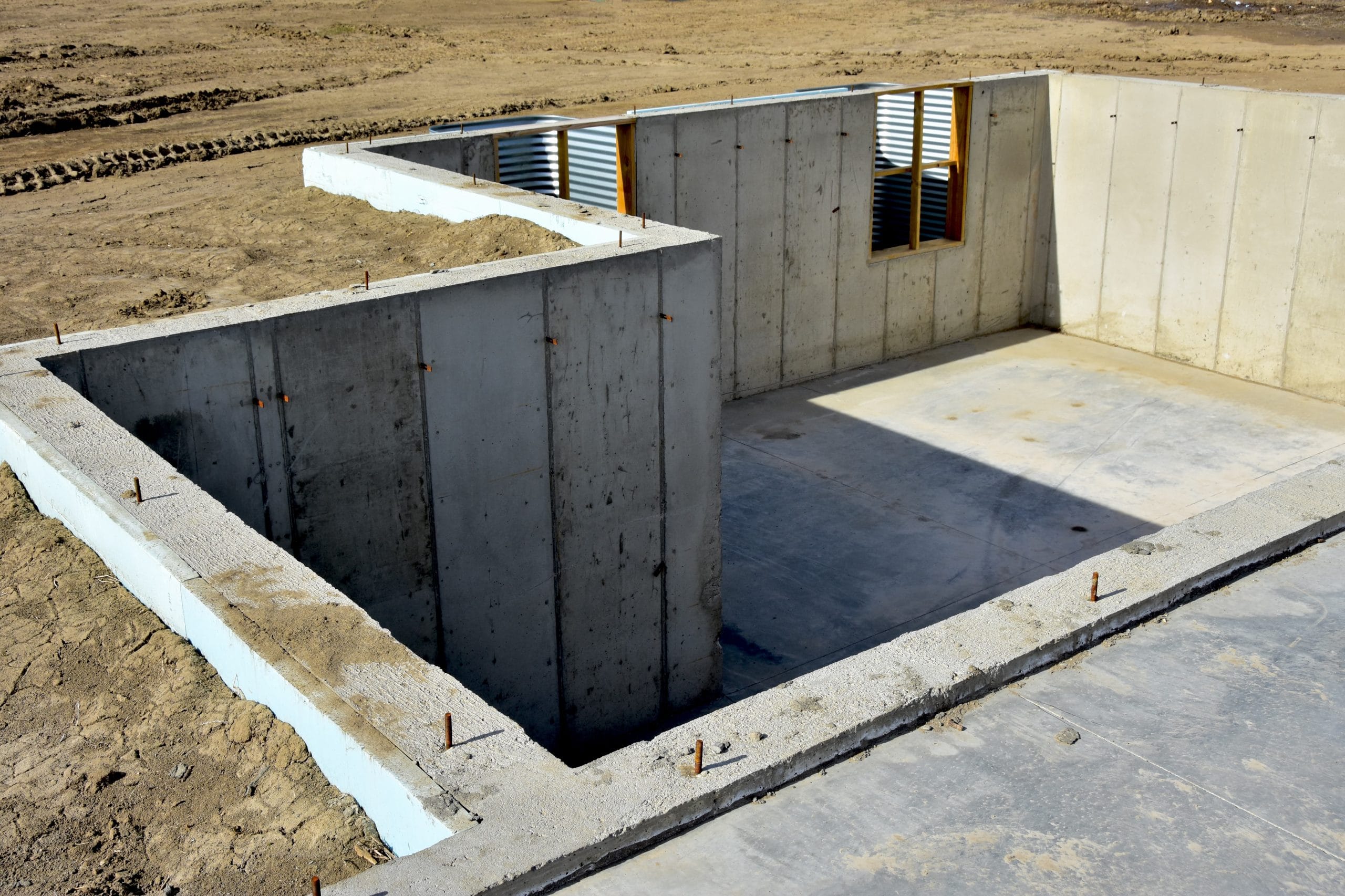
Cinder Block Dimensions for Foundation Walls
Foundation walls typically use:
- 8-inch or 12-inch blocks
- Reinforced cores
- Grouted cells
Common Foundation Wall Thickness
- Residential: 8 inches
- Commercial: 10–12 inches
Structural Strength & Code Compliance
Most cinder blocks used in the U.S. comply with:
- ASTM C90
- International Building Code (IBC)
Typical compressive strength:
- 1,900–3,000 PSI
Always verify local code requirements before selecting block sizes.
Commercial Applications of Cinder Blocks
Cinder blocks are widely used in:
- Retail buildings
- Warehouses
- Parking garages
- Schools
- Hospitals
- Office buildings
Their uniform dimensions simplify estimating and speed up construction.
Why Cinder Block Dimensions Matter in Estimating
Incorrect dimensions can cause:
- Over-ordering materials
- Structural misalignment
- Increased labor costs
- Project delays
At Perfect Estimator, precision in block dimensions ensures:
- Accurate material quantities
- Reliable cost forecasting
- Efficient construction planning
Frequently Asked Questions (FAQs)
What is the standard cinder block size?
The standard nominal size is 8×8×16 inches.
What is the actual size of a cinder block?
The actual size is 7⅝×7⅝×15⅝ inches.
How thick is a load-bearing cinder block wall?
Typically 8 inches, excluding finishes.
How many cinder blocks are in a pallet?
Usually 90 to 120 blocks, depending on size and manufacturer.
Are cinder block dimensions the same nationwide?
Yes, standard CMU sizes are consistent across the U.S., though specialty blocks vary.
Can cinder block dimensions affect construction cost?
Yes, incorrect sizing directly impacts material quantities, labor, and project budgets.
Final Thoughts
Understanding cinder block dimensions is critical for successful construction and accurate estimating. From nominal sizes to structural thickness and weight considerations, every detail affects planning, cost, and performance.
For contractors and builders across the United States, Perfect Estimator supports smarter decisions through accurate construction data and reliable estimating principles.