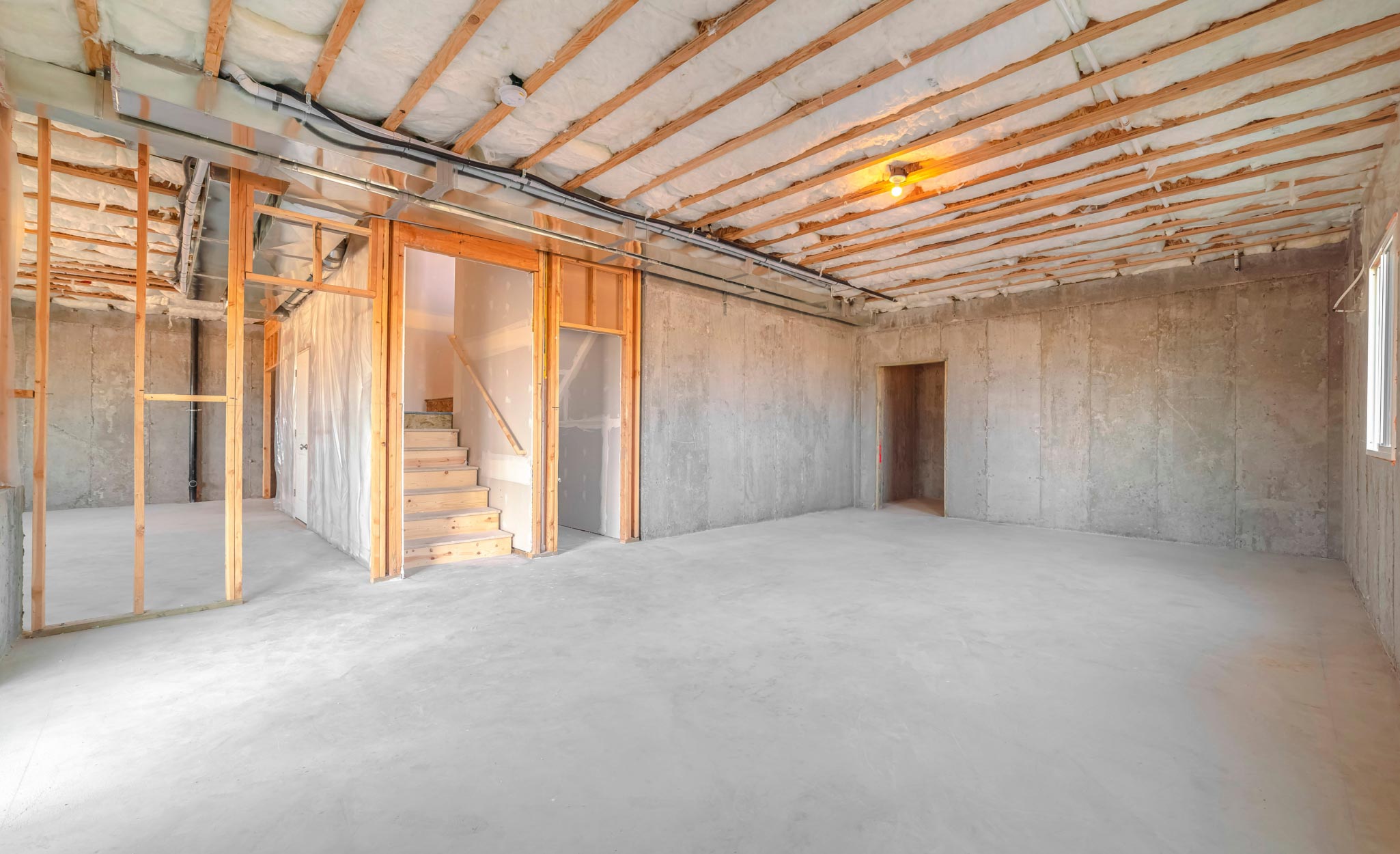
Building a basement is a major investment, but it can significantly increase the value and functionality of your home. Understanding the basement foundation cost is crucial for budgeting and planning. At Perfect Estimator, we specialize in providing precise estimates for basement foundations across the United States, helping homeowners and contractors make informed decisions.
Whether you’re building a new home or finishing an existing basement, this guide will cover everything from foundation types to excavation, waterproofing, and additional features that impact cost.
What Is a Basement Foundation?
A basement foundation is the structural base of a home that supports walls, floors, and the entire building. It typically sits below ground level and can be either finished (livable space) or unfinished (storage or utility). The foundation is responsible for:
- Supporting the weight of the house
- Preventing settling and structural damage
- Protecting against water infiltration
- Providing insulation against temperature extremes
The choice of foundation material, depth, and design will directly influence your overall cost.
Key Factors That Affect Basement Foundation Cost
1. Foundation Type
The type of foundation you choose plays the biggest role in cost:
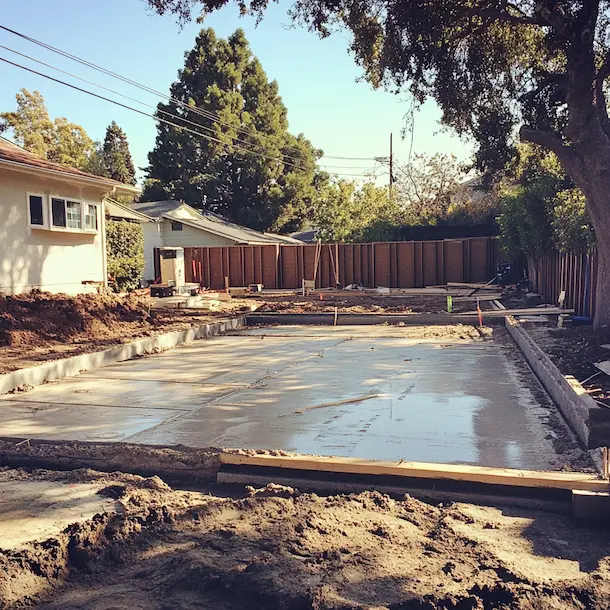
- Concrete Slab – $4–$8 per sq. ft.
A single concrete slab poured directly on the ground. Best for small basements or areas with low water tables. - Poured Concrete Walls – $25–$35 per sq. ft.
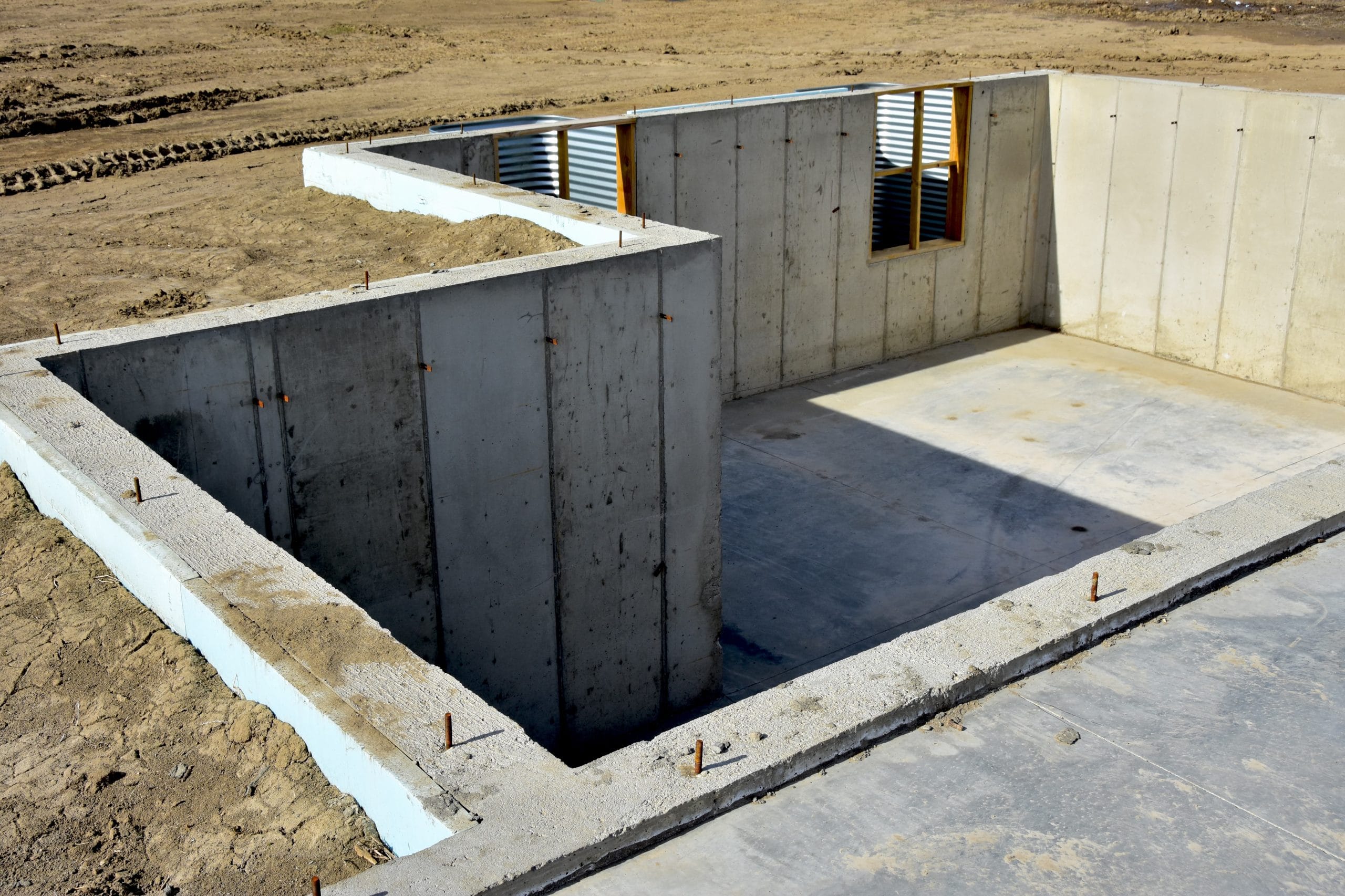
Durable and long-lasting. Ideal for larger basements or homes needing extra structural support. - Concrete Block Foundation – $20–$30 per sq. ft.
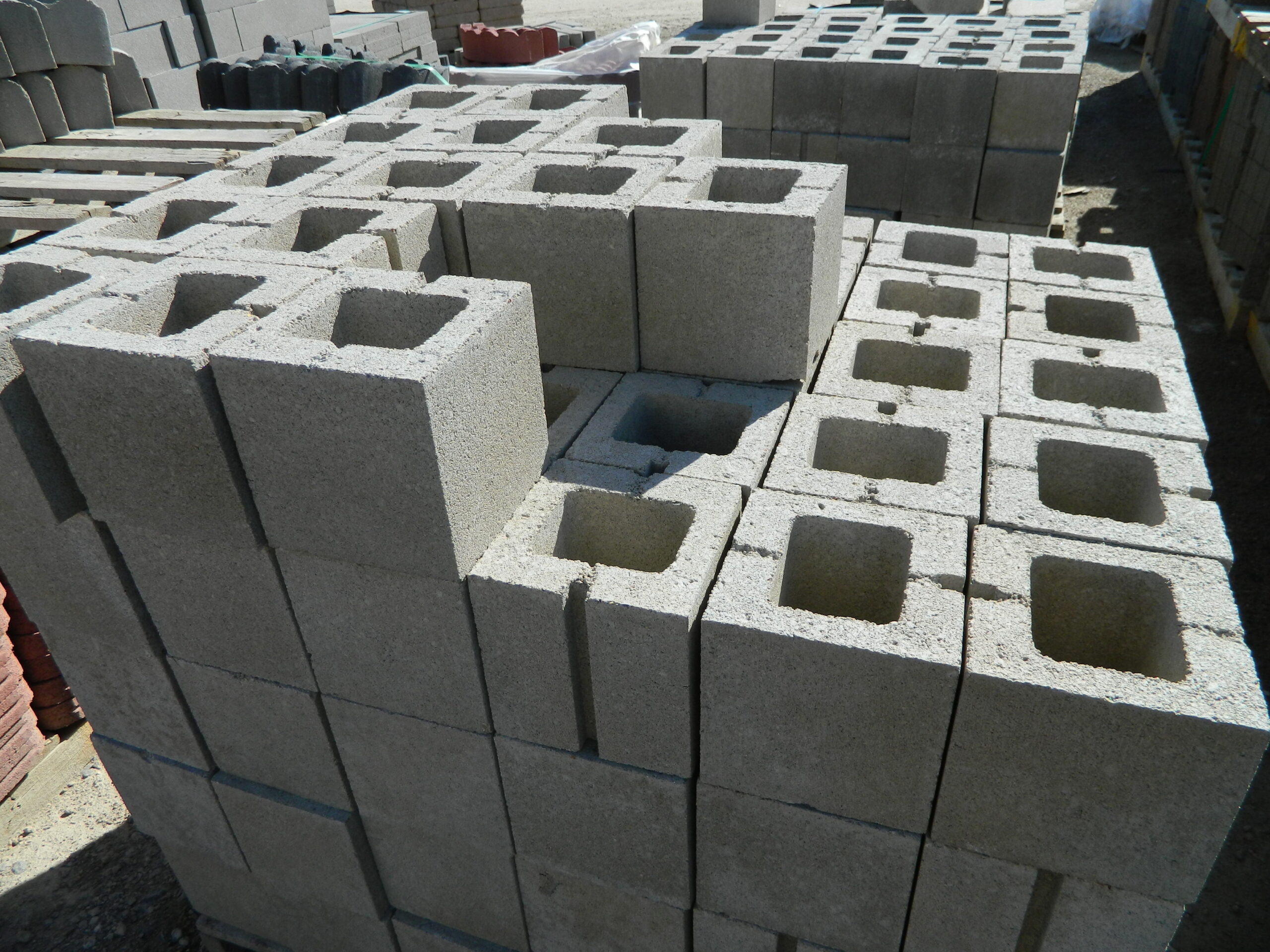
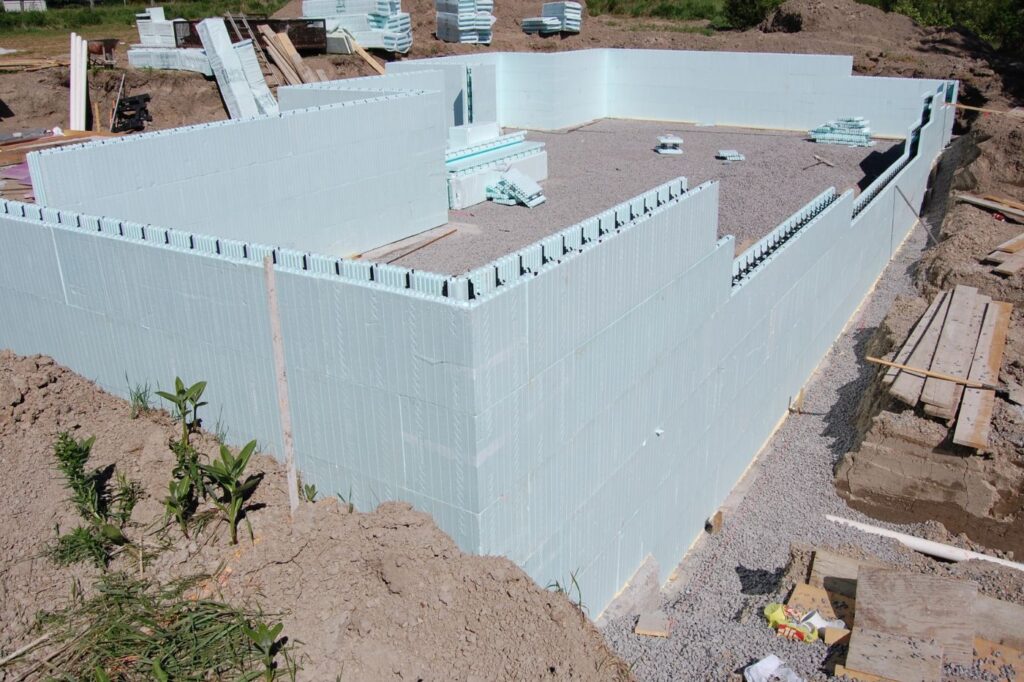
Uses blocks instead of poured walls. Slightly less durable, but more cost-effective. - Insulated Concrete Forms (ICFs) – $30–$50 per sq. ft.
Energy-efficient option combining concrete and insulation. Higher upfront cost, but long-term energy savings.
2. Basement Size and Layout
The total square footage of your basement directly affects:
- Material costs (concrete, rebar, insulation)
- Labor time (excavation, pouring, finishing)
- Utility installation (plumbing, electrical)
For example, a 1,500 sq. ft. poured concrete basement could cost $37,500–$52,500 before finishing touches.
3. Excavation Costs
Excavation is often overlooked but can be a major expense. Factors include:
- Soil type (rocky soil costs more to dig than clay or sand)
- Depth required (full basements vs. crawl spaces)
- Access for heavy machinery
Excavation costs in the U.S. typically range from $1,500 to $6,000, but can be higher for difficult terrain.
4. Waterproofing and Drainage
Moisture is a basement’s worst enemy. Proper waterproofing prevents leaks, mold, and structural damage. Common solutions include:
- Exterior waterproofing membrane – $2,000–$5,000
- French drains – $1,500–$4,000
- Interior sump pumps – $800–$2,500
Skipping waterproofing may save money upfront but lead to costly repairs later, often exceeding $10,000.
5. Labor Costs
Labor costs vary by region but typically include:
- Excavation crew
- Concrete pouring team
- Waterproofing specialists
- Finish carpenters (if basement is livable)
In the U.S., labor costs average $25–$50 per hour, with total labor accounting for 30–50% of overall basement foundation costs.
6. Additional Features That Impact Cost
- Basement Insulation: $1,500–$3,500
- Egress Windows (for safety and code compliance): $2,000–$4,000 each
- Flooring and Finishing: $5–$20 per sq. ft., depending on materials
- Plumbing and Electrical Rough-In: $3,000–$10,000
These features are optional but essential if you plan to make the basement livable.
Average Basement Foundation Costs in the U.S.
| Foundation Type | Cost (per sq. ft.) | Notes |
| Concrete Slab | $4–$8 | Budget-friendly, simple installation |
| Poured Concrete Walls | $25–$35 | Durable, long-lasting |
| Concrete Block Foundation | $20–$30 | Cost-effective alternative |
| ICF Walls | $30–$50 | Energy-efficient, higher upfront |
| Waterproofing & Drainage | $2,000–$7,000 | Critical for protection |
Example:
A 1,000 sq. ft. poured concrete basement with waterproofing and drainage may cost $27,000–$40,000. Adding insulation, egress windows, and partial finishing can increase the cost to $40,000–$55,000.
Tips to Save Money on Basement Foundation
- Plan Before Excavation – Avoid changes after excavation starts to prevent added costs.
- Compare Multiple Quotes – Get at least three contractor bids for accuracy.
- Use Cost-Effective Materials – Concrete blocks or slab foundations reduce upfront costs.
- Invest in Waterproofing Early – Prevent expensive water damage later.
- DIY Where Safe – Minor finishing or landscaping can reduce labor costs.
FAQs About Basement Foundation Cost
Q1: What is the cheapest type of basement foundation?
A concrete slab foundation is the most affordable, costing $4–$8 per sq. ft.
Q2: How does soil type affect cost?
Rocky or clay-heavy soil increases excavation difficulty and labor costs.
Q3: Does basement depth increase cost?
Yes, deeper basements require more materials, labor, and excavation.
Q4: Are basement foundation costs tax-deductible?
Generally, no. Costs are not deductible unless part of an eligible home improvement credit.
Q5: How long does basement construction take?
Depending on size and complexity, 4–12 weeks for foundation work alone. Full finishing may take 2–6 months.
Q6: Can I estimate my basement cost online?
Yes. At Perfect Estimator, we provide accurate online calculators for basement foundation projects.
Conclusion
Investing in a basement foundation is a critical step in building a strong, durable, and functional home. By understanding the factors affecting cost—foundation type, excavation, waterproofing, labor, and additional features—homeowners can plan efficiently and avoid surprises.
At Perfect Estimator, we provide commercial-grade, accurate estimates for basement foundations across the United States. Whether you are building a new home, renovating, or finishing an existing basement, our detailed cost analysis ensures you can budget confidently and make informed decisions.
A well-planned basement foundation is more than just concrete and steel—it’s an investment in the longevity, safety, and value of your home.