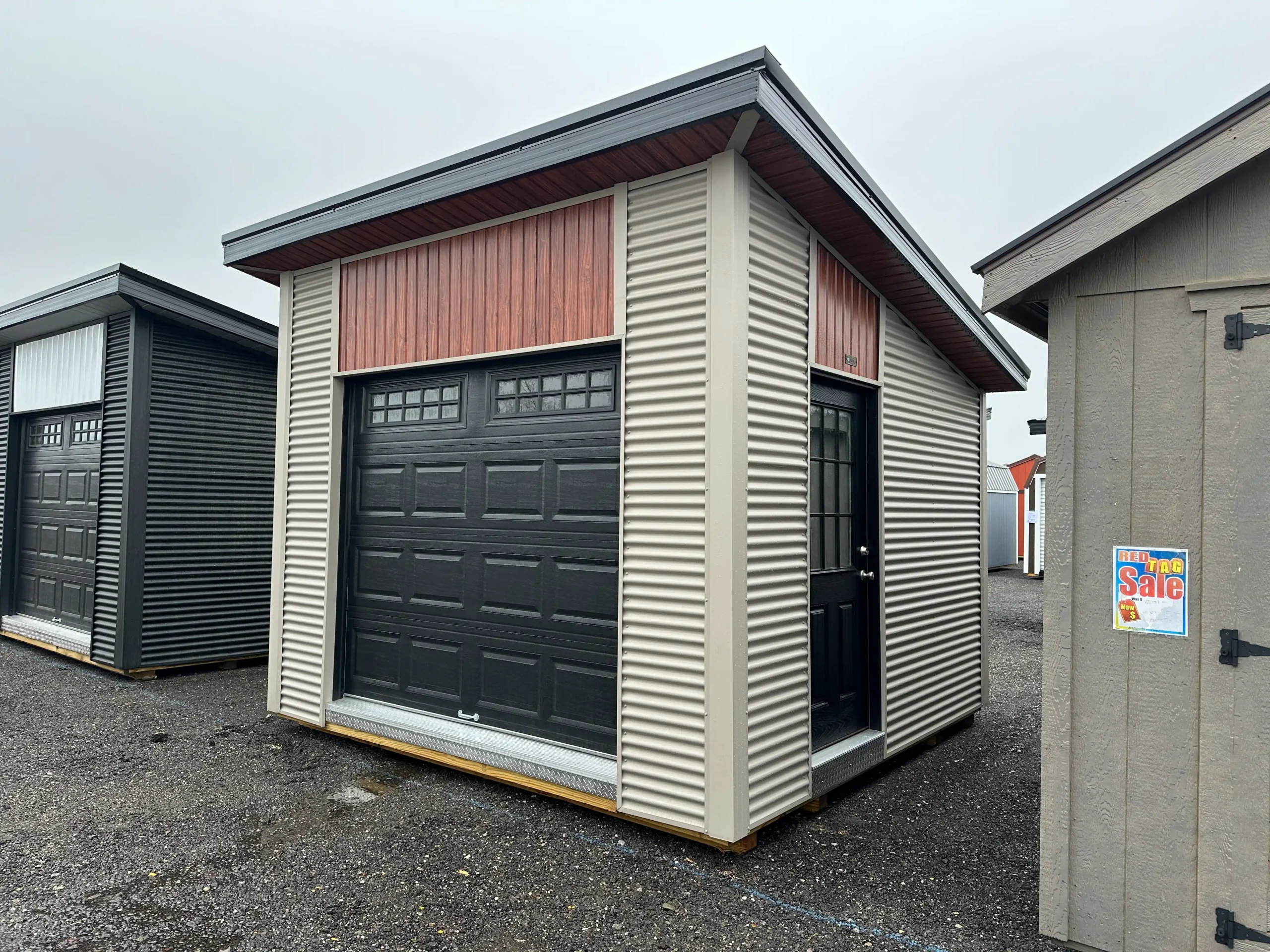
A 12×12 shed is one of the most practical and popular shed sizes for homeowners and businesses in the United States. Offering 144 square feet of space, it strikes a perfect balance between storage capacity and manageable footprint. Whether you need a backyard storage solution, a workshop, a hobby studio, or even a small office, a 12×12 shed can accommodate multiple needs.
At Perfect Estimator, we provide expert insights and commercial-level guidance to help you plan, budget, and install your shed efficiently. This guide will cover materials, costs, foundation types, design considerations, maintenance tips, and frequently asked questions, giving you everything you need to know before starting your project.
Why a 12×12 Shed Is Ideal
Choosing a shed size depends on your storage needs, available space, and intended use. Here’s why a 12×12 shed is an excellent option:
- Ample Storage Space: With 144 sq. ft., it can store lawn equipment, bicycles, seasonal decorations, furniture, and gardening tools comfortably.
- Versatile Usage: Beyond storage, it can serve as a workshop, art studio, home office, or even a playroom.
- Customizable Design: You can choose double doors, windows, lofts, shelves, or ramps depending on your needs.
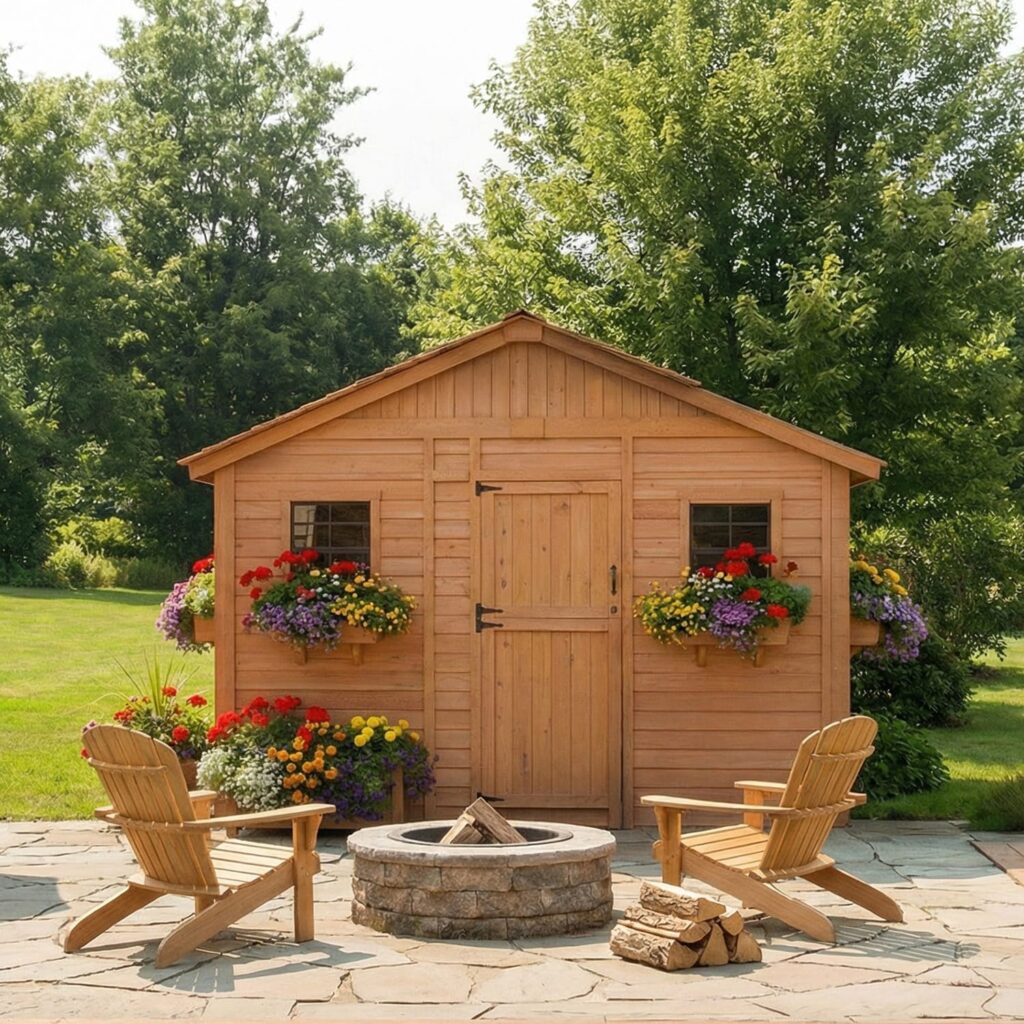
- Durable Construction: Available in wood, metal, and vinyl, giving flexibility to meet durability, aesthetics, and climate requirements.
Materials for a 12×12 Shed
The material you select affects cost, maintenance, longevity, and style. Here’s a breakdown of the most common shed materials:
1. Wood
- Pros: Traditional appearance, paintable/stainable, customizable.
- Cons: Requires regular maintenance to prevent rot, termites, and water damage.
- Best For: Homeowners looking for an aesthetic, sturdy, and customizable shed.
2. Metal
- Pros: Long-lasting, low maintenance, fire-resistant, pest-resistant.
- Cons: Can be prone to rust if not coated properly, may require insulation in extreme climates.
- Best For: Workshops or storage that require heavy-duty durability.
3. Vinyl / Resin
- Pros: Lightweight, low-maintenance, resistant to moisture and insects, easy DIY assembly.
- Cons: Less structural strength compared to metal or wood, may expand in extreme heat.
- Best For: Homeowners wanting a maintenance-free shed with moderate durability.
Cost of a 12×12 Shed
The cost depends on material, design, customization, and installation. Approximate ranges for the U.S. market:
| Material | Typical Cost Range |
| Wood | $2,500 – $6,000 |
| Metal | $1,500 – $4,000 |
| Vinyl | $2,000 – $5,000 |
Additional Costs:
- Foundation: Concrete slabs, gravel, or skids.
- Permits: Local municipalities may require permits for sheds larger than 100 sq. ft.
- Custom Features: Windows, lofts, ramps, insulation, or electrical wiring.
- Delivery & Assembly: Depending on your location and provider.
At Perfect Estimator, we calculate total project costs, including hidden expenses, to prevent budget surprises.
Foundation Options
A proper foundation ensures your 12×12 shed is level, stable, and long-lasting. Common options include:
1. Concrete Slab
- Provides maximum stability.
- Ideal for heavy equipment or workshop setups.
- Long-lasting but less flexible for future relocation.
2. Gravel Base
- Affordable and ensures good drainage.
- Can be reinforced with pressure-treated wood for additional stability.
- Works well for storage sheds and medium-weight structures.
3. Wooden Skid Foundation
- Flexible and allows relocation.
- Suitable for smaller or lightweight sheds.
- Requires periodic inspection to prevent rot.
Design Considerations for a 12×12 Shed
Designing your shed involves more than picking materials. Consider:
- Roof Type: Gable, barn, or flat roofs. Gable is most common and allows loft space.
- Doors and Windows: Double doors for equipment access, windows for natural light.
- Ventilation: Essential to prevent moisture, mold, and mildew.
- Interior Layout: Shelving, workbenches, and storage racks optimize space.
- Accessibility: Consider ramps or wide doors for equipment or wheelchair access.
Tips for Building or Buying
- Assess Your Needs: List what you’ll store or use the shed for.
- Check Local Regulations: Permits may be required.
- Select Durable Materials: Balance cost, aesthetics, and climate resilience.
- Plan for Maintenance: Wood requires painting; metal may need rust protection.
- Hire Professionals if Needed: For larger, permanent sheds, professional installation ensures safety and compliance.
Maintenance Tips
Proper care ensures your 12×12 shed lasts decades:
- Inspect for water damage, rust, or pest infestation regularly.
- Apply paint, sealant, or protective coatings every few years.
- Clean roof and gutters to prevent water accumulation.
- Lubricate doors and windows to maintain smooth operation.
- Ensure ventilation and airflow to prevent mold.
Frequently Asked Questions (FAQs)
1. How long does it take to build a 12×12 shed?
- Pre-fabricated kits: 1–3 days.
- Custom-built sheds: 1–3 weeks depending on complexity.
2. Do I need a permit?
- Most U.S. cities require permits for sheds over 100 sq. ft. Always check local building codes.
3. Can it be used as a workshop or office?
- Yes, 12×12 sheds are versatile enough for small workshops, studios, or home offices.
4. Which material is most durable?
- Metal is the most durable and low-maintenance. Wood is strong but requires upkeep, and vinyl is lightweight and easy to maintain.
5. Can it be relocated?
- Sheds on skids or made of vinyl can be moved. Concrete slab sheds are permanent.
6. How to maximize storage in a 12×12 shed?
- Use vertical shelving, lofts, wall hooks, and modular storage systems to optimize space.
Conclusion
A 12×12 shed offers a perfect combination of space, functionality, and affordability. Whether you need secure storage, a workshop, or a backyard studio, understanding materials, costs, design options, and maintenance requirements will help you make a smart investment.
At Perfect Estimator, we provide commercial-grade guidance and accurate estimations for all shed projects in the United States. From budgeting to installation, we ensure your shed project is cost-effective, durable, and built to last.